Clearance CLR-7810 · AIR877
AIRLAV
Air CargoClearance sheet
LA voters decide on port workforce disclosure rules opposed by 50-plus trade groups
LA voters decide Charter Amendment PRT today, requiring workforce disclosure from Harbor Department lease applicants, opposed by a 50-strong business coalition.
Read-back
- Los Angeles votes today on Charter Amendment PRT, covering the port, airports and Department of Water and Power.
- More than 50 business and supply chain organisations, including the PMA and PMSA, oppose the measure.
- The amendment requires employment and economic impact disclosure from applicants for new Harbor Department leases, extensions and amendments.
- It does not prohibit terminal automation or give the ILWU a veto on investment decisions.
- No formal ballot argument against PRT was submitted, though the LA Chamber of Commerce opposes it publicly.
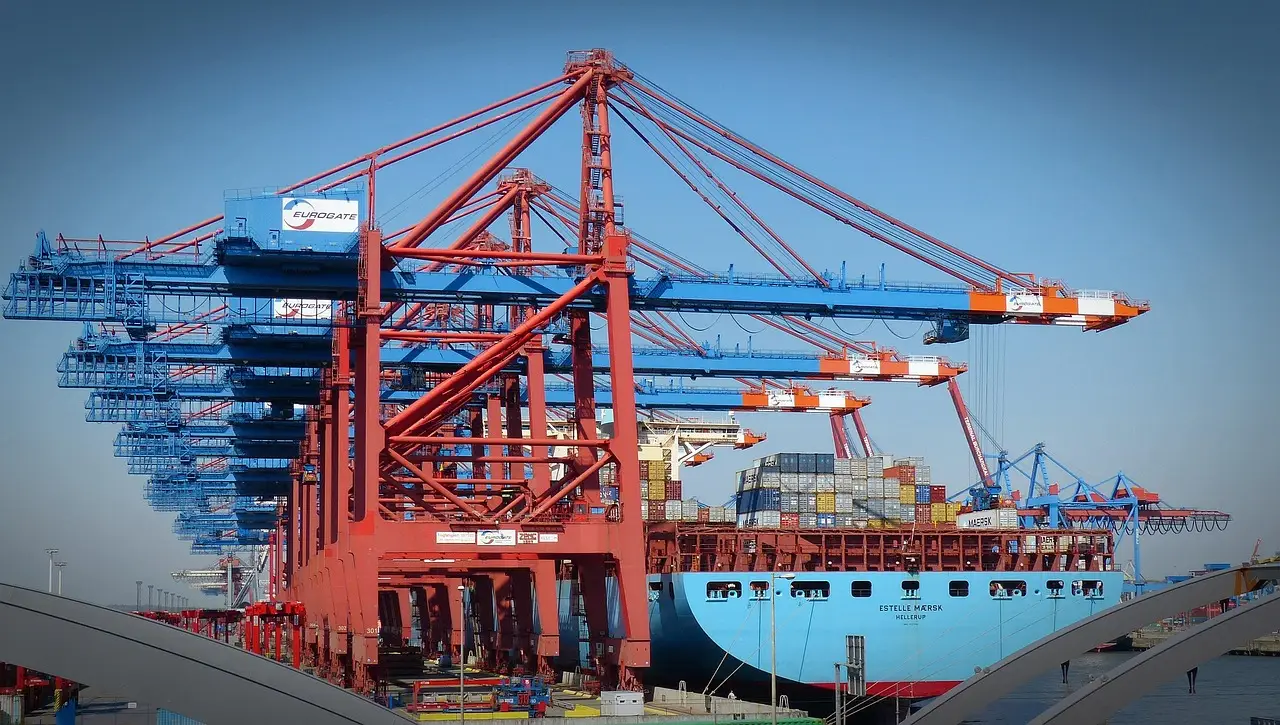
Los Angeles voters are heading to the polls today to decide Charter Amendment PRT, a ballot measure that would impose workforce disclosure requirements on applicants for certain new Harbor Department leases, extensions and amendments at the Port of Los Angeles.
The measure asks lease applicants to provide information on their employment and economic impacts, which the Board of Harbor Commissioners — the body governing the port — would then assess. It sits inside a broader package covering the city's airports, harbour and Department of Water and Power, including funding for waterfront public access projects, longer lease terms for certain city departments and changes to the composition of the Airport Commission.
Opposition has consolidated. A coalition of more than 50 business and supply chain organisations, including the Pacific Maritime Association (PMA) and the Pacific Merchant Shipping Association (PMSA), argues the changes could "introduce uncertainty into underwriting and leasing decisions" and risk "discouraging investment and diverting cargo to competing ports".
What does the amendment actually change?
The text does not prohibit terminal automation outright. Nor does it grant the International Longshore and Warehouse Union (ILWU), the dockworkers' union, a formal veto over investment decisions at the port. What it does is create a disclosure layer: anyone seeking a new lease, an extension or an amendment would have to hand over employment and economic data for commissioners to evaluate.
Employers have previously argued that such requirements could create another obstacle to automation proposals at a port where terminal operators have weighed modernisation projects for years. The mechanics matter here. A disclosure obligation does not block a project, but it adds a step where commissioners — assessing submitted employment data — could weigh a lease decision against its labour impact.
In a letter to Los Angeles City Council, the opposing coalition urged councillors to retain the existing charter provisions governing port operations. The signatories argued that embedding operational requirements directly in the City Charter — the city's foundational legal document — could weaken the Harbor Commission's authority and its ability to respond to changing market conditions and technologies.
The letter does not specifically mention terminal automation. But its framing on investment uncertainty and technological adaptation points clearly at the question of what the rules would mean for future automation projects.
Who is lined up on each side?
Beyond the PMA and PMSA, the coalition's signatories include the Harbor Trucking Association, the Foreign Trade Association, the LA Customs Brokers & Freight Forwarders Association and the LA Area Chamber of Commerce.
No formal ballot argument against PRT was submitted. The Chamber of Commerce has nonetheless opposed the measure publicly, citing additional requirements on businesses and the potential impact on port operations.
Terminal operators and the port itself have stayed largely silent. The Port of Los Angeles declined to comment, saying it played no role in drafting the amendment. Yusen Terminals also declined. No response came from APM Terminals, TraPac or the West Coast Marine Terminal Operators' Association.
What happens if it passes?
If voters approve PRT, the disclosure requirements become part of the City Charter, making them harder to adjust than ordinary commission policy — the very rigidity opponents say they fear. Lease applicants at the nation's largest container port complex would face a new assessment step tied to employment and economic data, and future automation-linked lease decisions would move through that process.
If it fails, the existing charter provisions stand, and the Harbor Commission keeps its current levers over leasing and investment. Either way, the result will shape how cargo owners, terminal operators and lessors price uncertainty at a gateway competing with ports up and down the West Coast.
via The Loadstar (Source)
More from Sophie Lindqvist
Show full bio
Senior reporter covering people, launches and day-to-day practice in Commercial aviation industry coverage at Flightdeck Report.
609 articles
Same bay
- FDR205Port of Seattle Extends SAMP Comment Deadline to Aug. 20 · September 27, 2026
- FDR567Cargo Airline Association names Josh Dover Managing Director, Legislative Affairs · October 20, 2026
- FDR915Port of Seattle weighs Seattle-Tacoma airport expansion · September 27, 2026
- FDR320Petition Forces Public Hearing on Sea-Tac Expansion Plan · October 2, 2026