Clearance CLR-1325 · MRO470
MROLUF
MRO & AftermarketClearance sheet
Lufthansa Technik to Nearly Double Tulsa Engine Shop Capacity
Lufthansa Technik will expand Tulsa from 28 to 46 work bays, add a module shop and create 100 jobs by 2030, backed by an 18-month FAA-certified training program.
Read-back
- Tulsa work bays grow from 28 to 46 under the expansion.
- Around 100 new jobs expected at the site by 2030.
- Dual-training program launched early 2025; 18 months, ends with FAA powerplant certificate.
- Site supports V2500, CFM56-5B/7B, GTF and Rolls-Royce Tay 611-8/8C engines.
- Tulsa anchors Lufthansa Technik's Mobile Engine Services network alongside Calgary and Montreal.
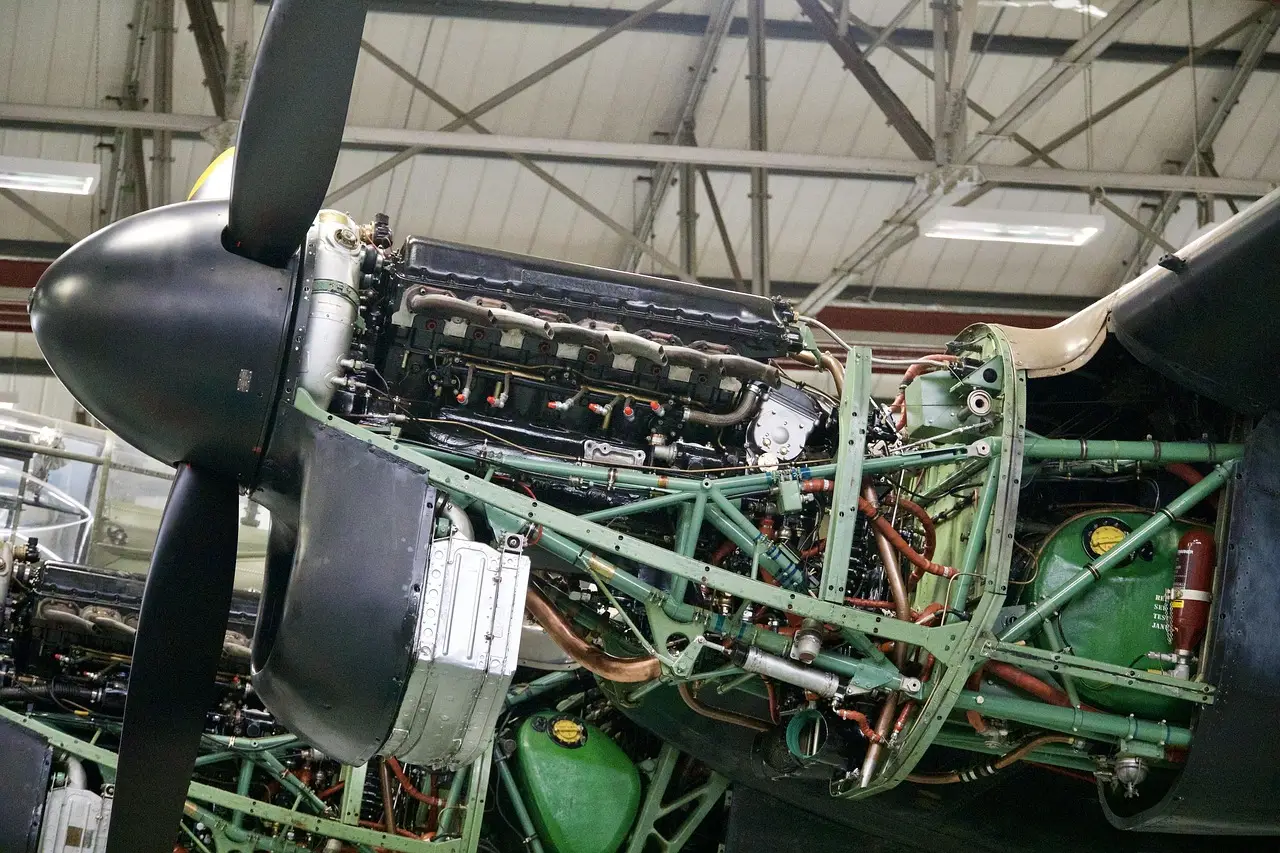
Lufthansa Technik Engine Services will grow its Tulsa, Oklahoma site from 28 to 46 work bays and add a dedicated module shop, an expansion that almost doubles the facility's engine support capacity and comes with roughly 100 new jobs by 2030.
The Tulsa plant handles shop visits and in-field work on the V2500, CFM56-5B/7B and Pratt & Whitney GTF, plus in-field maintenance and overhauls of the Rolls-Royce Tay 611-8/8C that powers corporate jets. It also serves as the central hub of Lufthansa Technik's Mobile Engine Services (MES) network covering the GTF, V2500 and CFM56-5B/7B.
What does the expansion change?
The core of the investment is a new module shop. Lufthansa Technik lists three goals for it:
- Streamlining internal processes
- Cutting turnaround times
- Lifting LTES's capacity to meet growing market demand
Those targets matter for operators. The MES team runs what the company calls surgical strike repairs — quick turn events — that reduce both cost and downtime for operators, and faster module work in Tulsa feeds directly into that model.
Lufthansa Technik Chief Operations Officer Harald Gloy framed the site's role in network terms. "Our Mobile Engine Services network is a key differentiator for Lufthansa Technik, enabling rapid on-wing and in-shop solutions that help our customers maximize fleet availability," he said.
"By nearly doubling our capacity in Tulsa, we are strengthening a critical part of our engine services network and enhancing our ability to support operators across the Americas," Gloy continued.
How will Lufthansa Technik staff it?
The roughly 100 new positions due by 2030 rest on a dual-training program LTES launched in early 2025. It combines hands-on technical training with classroom instruction in theory and maintenance best practices. Graduates finish after 18 months with an FAA powerplant certificate — a licensing path the company imported deliberately.
Lufthansa Technik Engine Services President and CEO Michael Scheferhoff said: "The expansion in Tulsa increases our capacity and brings a proven element of our German heritage to the U.S.: the dual education system."
"By combining hands-on experience with structured training, we develop the skilled engine technicians needed to support long-term quality and growth in the Americas," Scheferhoff said.
He added: "Investing in local talent is a key part of our strategy and further strengthens Tulsa as an important hub for aviation maintenance."
Where does Tulsa sit in the Americas network?
Tulsa is one leg of a three-point footprint. Gloy noted that the site works alongside the company's new engine facility in Calgary and its long-established presence in Montreal to expand Lufthansa Technik's engine services reach across the Americas.
The capacity timing lines up with sustained pressure on the narrowbody engine aftermarket. Thousands of V2500 and CFM56-family engines remain in service worldwide, and GTF fleets have driven heavy demand for maintenance slots and quick-turn repairs since entry into service. More bays and a module shop in Tulsa translate directly into more shop-visit capacity and shorter queues for operators in the region — the kind of capacity the GTF situation has made scarce.
For now, the plan is announced rather than built out: 46 bays, a module shop and 100 hires are targets for 2030, not assets in service. How quickly the expansion converts into available slots will depend on execution — and, critically, on whether the dual-training pipeline can produce certified powerplant technicians fast enough to staff the new bays. Scheferhoff's bet is that Tulsa's local talent pool can do exactly that.
via lufthansa-technik.com (Original)
More from Nathan Brooks
Show full bio
Correspondent covering technology and product news in Commercial aviation industry coverage at Flightdeck Report.
596 articles
Same bay
- FDR943Lufthansa Group Sends CFM56 Work to FL Technics Kaunas Shop · October 12, 2026
- FDR248Airhub Aviation Adds 737 MAX and A320neo Base Maintenance Capacity · October 20, 2026
- FDR413Alabama Airport Stands Up Business Aircraft Maintenance Operation · September 27, 2026
- FDR176McKinsey targets aviation MRO technician gap as delivery pressure builds · October 10, 2026
- FDR640Turkish Airlines signs MOU with CFM for 300 LEAP-1B engines · October 16, 2026