Clearance CLR-7406 · SAF781
SAFMEN
Safety & OperationsClearance sheet
Menzies Adds AI to MORSE Safety Platform Across 347 Airports
Menzies Aviation has added AI reporting and review tools to its MORSE safety platform, used across 347 airports in 65 countries, after 46,950 hazards logged in 2025.
Read-back
- Menzies Aviation deployed AI Assist and AI quality review in its MORSE safety platform across 347 airports in 65 countries.
- Employees identified 46,950 hazards in 2025, up 29% year on year.
- Hazard identification has prevented more than 6,800 potential operational disruptions in 2026 to date.
- Human oversight remains central to safety-critical decisions, the company said.
- Pattern-detection AI applications for emerging risks remain at the exploration stage.
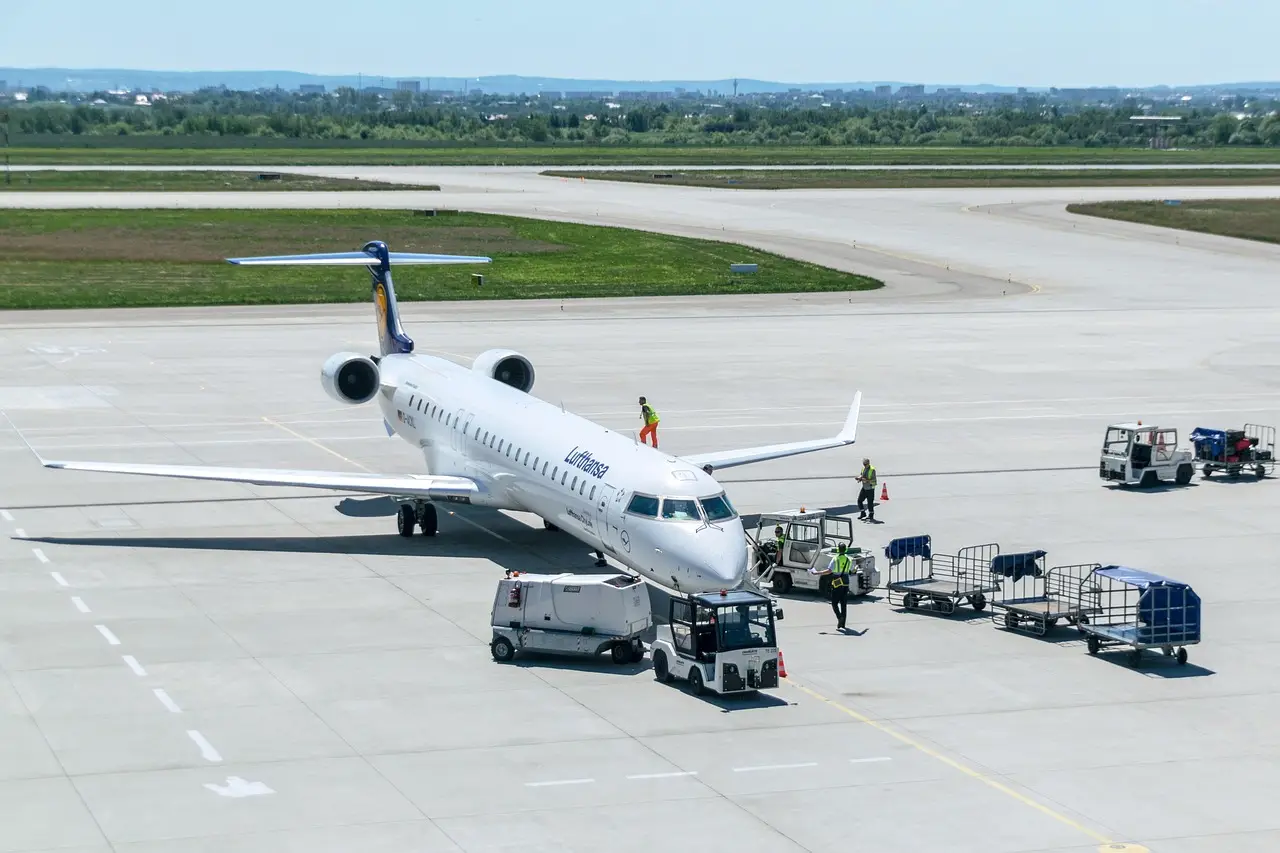
Menzies Aviation has added artificial intelligence to its MORSE Safety Management System, deploying the technology across ground handling operations at 347 airports in 65 countries. The rollout touches every safety report the company's employees file, which makes it one of the larger AI deployments in ground handling safety work.
The new AI Assist feature helps staff prepare incident reports and investigations. A second capability, an AI-powered quality review, checks completed reports for completeness and accuracy and recommends improvements. Menzies states that human oversight remains central to safety-critical decisions — a caveat that matters in a domain where regulators expect accountable judgment.
What is MORSE, and why does it matter?
MORSE — Menzies Operating Responsibly, Safely and Effectively — consolidates hazard reporting, incident investigations and safety data into one digital platform. Rather than scattered paper trails and regional systems, the company runs a single dataset spanning six continents of ramp, cargo and terminal operations.
The scale of that dataset is the point. In 2025, Menzies employees identified 46,950 hazards worldwide, a 29% increase over the previous year. That is roughly 129 hazards surfaced per day across the network, or one every twelve minutes around the clock.
The company links its hazard identification efforts to concrete prevention: more than 6,800 potential operational disruptions avoided so far in 2026. Examples include an aircraft tire defect discovered in Romania and undeclared dangerous goods found in Uganda. Each is the kind of finding that, missed, tends to become an incident report of a different kind.
What changes with AI in the loop?
The immediate change is clerical. AI Assist drafts and structures incident reports; the quality review flags gaps before a report is closed. In theory, this raises consistency — a persistent weak point in safety reporting, where two employees describing the same event can produce materially different records.
The company frames the technology as support rather than replacement. Yogesh Parekh, chief safety and training officer at Menzies Aviation, said the technology is intended to support employees' expertise and judgment while improving the information available for safety decisions.
That phrasing carries weight. Ground handling remains one of aviation's higher-frequency injury environments, and SMS data quality determines whether trends are caught early or reconstructed after the fact.
What comes next?
Menzies plans to explore additional AI applications that could identify patterns and contributing factors behind incidents. The stated goal is earlier recognition of emerging risks and preventive action before events recur.
This is where the economics sit. If pattern recognition across 46,950 annual hazard reports can surface systemic risks — a recurring equipment fault, a procedural gap at a particular station — the value shows up as fewer disruptions, lower damage costs and fewer grounded aircraft.
The gap between promise and record remains. The reporting and review tools are deployed; the pattern-detection layer is still a plan. Menzies' next set of annual hazard and disruption figures will show whether the AI-assisted reporting produces measurably better safety outcomes.
via Aviation Pros (Source)
More from Grace Kim
Show full bio
News editor covering companies, deals and strategy in Commercial aviation industry coverage at Flightdeck Report.
563 articles
Same bay
- FDR156XGBoost Model Predicts Airport Construction Risk at 92.7% Accuracy · September 30, 2026
- FDR118US Aviation Regulators Turn to AI for Airspace Management · September 30, 2026
- FDR237Duffy Marks ATC Overhaul Milestone with Surface Safety Rollout · October 12, 2026
- FDR776Guyana Begins Aviation Safety Overhaul as Sector Expansion Accelerates · October 10, 2026
- FDR569Transportation Secretary downplays AI risks for air traffic control · September 27, 2026