Clearance CLR-9281 · SAF476
SAFMIL
Safety & OperationsClearance sheet
Military Flight Plan Triggered Nats Outage, Report Says
A UK military flight plan with 'spurious' data triggered the four-hour Nats failure that cancelled 2,000-plus flights, the Financial Times reports. No dedicated backup existed.
Read-back
- More than 2,000 flights were cancelled when Nats systems shut down for four hours on Tuesday.
- The Financial Times, citing four briefed sources, attributed the failure to 'spurious' flight data submitted by a UK military aircraft.
- Nats chief executive Martin Rolfe has one week to report to transport secretary Heidi Alexander, with a CAA independent review commissioned.
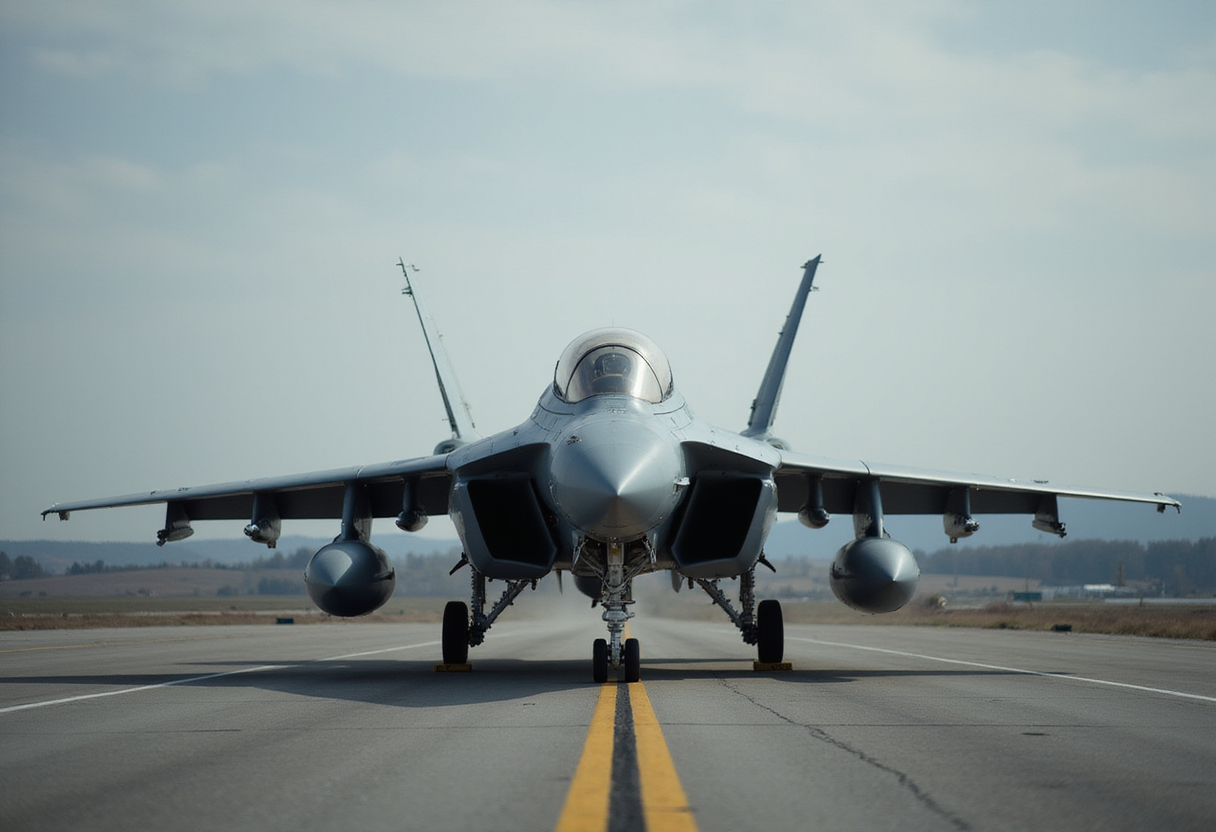
More than 2,000 flights were cancelled and hundreds of thousands of passengers stranded across the UK on Tuesday after a four-hour shutdown of National Air Traffic Services (Nats) systems — and a Financial Times report citing four people briefed on the incident points to a flight plan submitted by a UK military aircraft as the trigger.
The aircraft entered what the sources described as "spurious" flight data into the system, causing a meltdown in the flight-processing infrastructure used by Nats that remained unfixed for several hours.
The operational consequences were immediate and cascading. Aircraft full of passengers sat waiting for information for more than four hours. Inbound flights diverted to alternate airports, some as far afield as Germany. It is the most serious outage to hit British commercial airspace since August 2023, when a technical problem delayed almost 1,600 flights.
No dedicated backup
The FT report also exposed a structural vulnerability at the heart of the failure. Nats operations officer Kathryn Leahy called operations managers at numerous airports and airlines as the crisis unfolded, and "tensions boiled over" after she informed them the flight processing system had no dedicated backup.
Two factors explained the gap, according to the report: Nats is in the middle of a "complete overhaul of its systems", and the sheer volume of data the organisation holds means duplicating it would cost "vast amounts". For airlines counting the cost of mass cancellations, the absence of a failover for a system processing the UK's entire traffic flow raises questions about resilience investment versus the fallout of a single bad data input.
Political and regulatory pressure
Transport secretary Heidi Alexander summoned Nats chief executive Martin Rolfe to a meeting on Wednesday. Alexander said she did "not believe the issue was unavoidable". Rolfe now has a week to report on the causes of the shutdown, and the Civil Aviation Authority (CAA) has been commissioned to run an independent review into the incident.
Rolfe ruled out a cyber-attack, which was initially suspected. "We've never seen an incident happen more than once, so this will be something different that we've never seen in 50 years of operation," he said.
That framing carries weight against the 2023 precedent. After the August 2023 failure, the CAA set out 34 recommendations to improve Nats systems, all of which were reported to have been fully implemented. A second, more severe disruption within three years will sharpen scrutiny of how those recommendations were scoped and verified.
Airlines call for Rolfe's exit
Carriers have moved directly to demand accountability. Ryanair chief executive Michael O'Leary accused Rolfe of "telling lies to save his own skin" and called his position "untenable".
"We don't need more investigations, we don't need more reports and we don't need another parliamentary committee hearing where Martin Rolfe will promise change, will promise resilience and will promise an effective backup system," O'Leary said.
Compensation and the military question
Passengers affected by the outage are unlikely to be able to claim compensation, as the delays fall under "extraordinary circumstances" — shifting the financial burden onto airlines and travellers rather than the infrastructure operator.
The Ministry of Defence said it did not believe there was any indication of an error on the part of the military, but that it would be inappropriate to comment further until the Nats investigation concludes. That leaves open the question of whether the fault lies in the data submitted or in the system's inability to reject it.
With Rolfe's report due within a week and the CAA review underway, the immediate test will be whether Nats can isolate a single engineering cause — or whether the outage exposes a deeper architecture problem in a system already mid-overhaul and running without a full backup.
via ft.com (Original)
More from Sophie Lindqvist
Show full bio
Senior reporter covering industry trends and analytics at Flightdeck Report.
161 articles
Same bay
- FDR663NATS Disruption Puts UK Air Traffic Resilience Under Scrutiny · September 28, 2026
- FDR513ATC Failure Grounds Hundreds of US Flights, Exposing Ageing Infrastructure · September 28, 2026
- FDR445ATC Failure Grounds Hundreds of Flights, Exposing Aging US System · September 30, 2026
- FDR883Northeast Flights Resume After FAA Equipment Outage Grounds Region · September 27, 2026
- FDR365ATC Failure Disrupts Hundreds of US Flights, Exposing Aging System · September 28, 2026