Clearance CLR-9017 · AIR298
AIRNIG
AirportsClearance sheet
Nigeria’s Aviation Chiefs Enter APC’s 2027 Campaign Role
Nigeria’s 2027 campaign assigns three aviation officials to air mobilisation, raising fresh questions over airport security, ICAO standards and who can restrict partisan activity.
Read-back
- 2027: Aviation Minister Festus Keyamo was named Director of Air Mobilisation for the APC re-election campaign.
- Two deputies: FAAN managing director Olubunmi Kuku is Deputy Director I; NAMA managing director Farouk Ahmed Umar is Deputy Director II.
- Two rule sets: ICAO Annex 17 covers unlawful interference, while Nig. CARs Part 17 covers aviation security.
- Three authorities: the aviation minister, FAAN and NCAA must protect security and operational continuity.
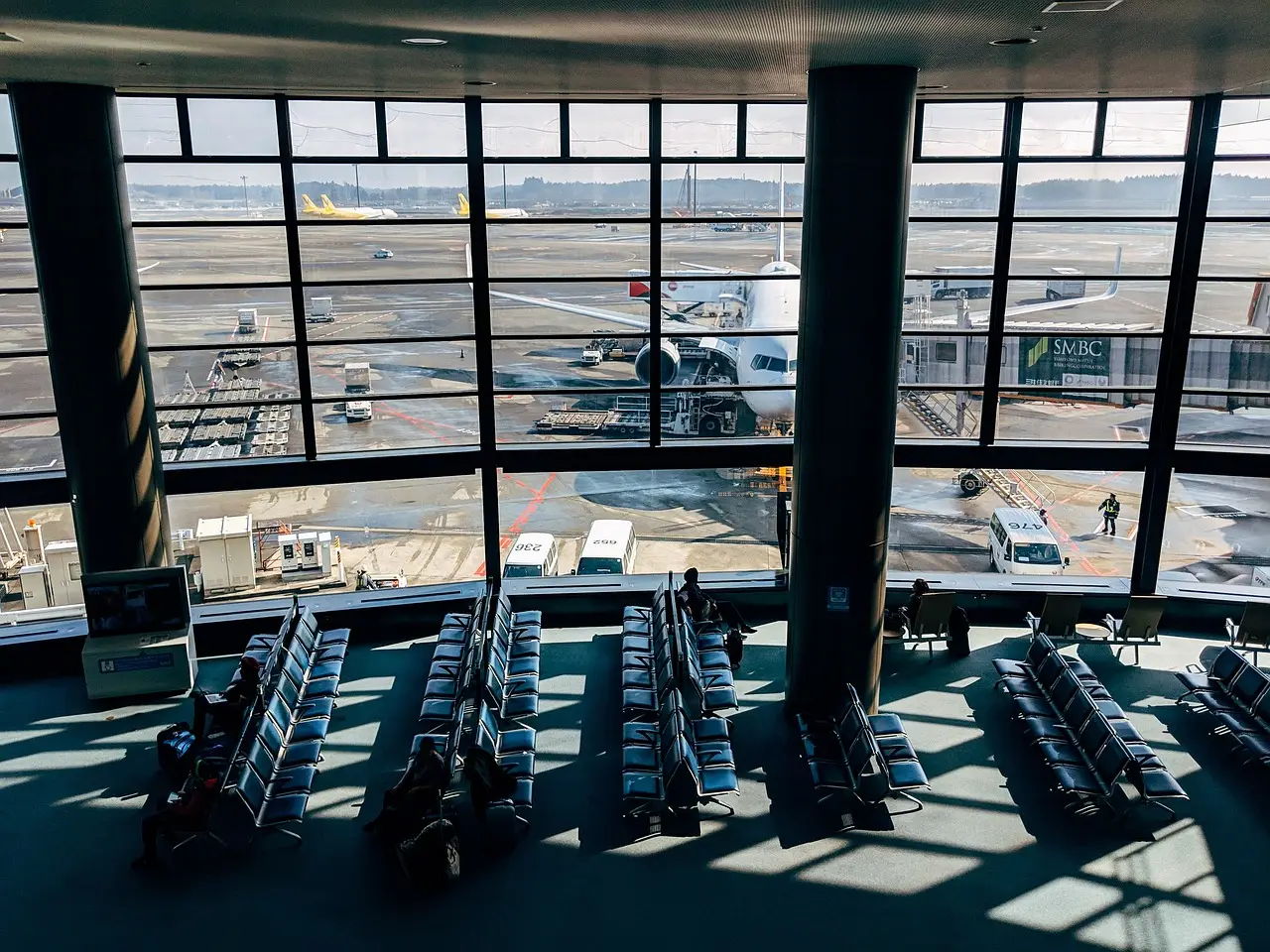
Three serving Nigerian aviation officials have been assigned to the All Progressives Congress’ 2027 re-election campaign, with Minister of Aviation and Aerospace Development Festus Keyamo named Director of Air Mobilisation.
By Nathan Brooks
The structure announced by the Presidency places Federal Airports Authority of Nigeria managing director Olubunmi Kuku in the role of Deputy Director I. Nigerian Airspace Management Agency managing director Farouk Ahmed Umar will serve as Deputy Director II.
The proposed directorate appears intended to coordinate air transportation and campaign logistics. That is a narrower task than running political mobilisation inside airport premises, and the structure as described does not appear to make terminals, runways or other controlled areas venues for rallies and mass gatherings.
What does this mean for airport security?
Stakeholders opposed to the move, a group drawn largely from opposition parties, want the Presidency to address the implications of campaign mobilisation around airports. Their concern is practical: political activity could weaken arrangements protecting passengers, aircraft, airport staff and facilities, with consequences for national security.
Opponents also question what political mobilisation at an airport could do to international confidence in Nigeria. Airports function as sensitive national infrastructure, not ordinary public gathering places, and political crowds can complicate access control and the movement of aircraft and people.
What do ICAO and Nigeria’s rules require?
International Civil Aviation Organization Annex 17 establishes international standards and recommended practices for “safeguarding civil aviation against acts of unlawful interference.” Those requirements form part of Nigeria’s wider national security architecture rather than a set of administrative formalities.
The Nigeria Civil Aviation Regulations, or Nig. CARs, Part 17 specifically addresses aviation security. It applies to airport operators, airport tenants, service providers and anyone within or around designated airport environments, extending well beyond the people who handle aircraft.
Can a party use an airport for its campaign?
There is no objection to a political party chartering aircraft, buying airline tickets or coordinating the movement of campaign officials through properly authorised aviation channels. Those activities fall within ordinary air transport operations and do not, by themselves, turn an airport into a political venue.
The dividing line is between moving campaign traffic and mobilising supporters. Rallies, supporter gatherings and mass activities within airport precincts introduce public-order and security considerations. They can also disrupt airport operations, so the same authorisation that permits a flight does not permit a gathering.
On the description provided, the announced structure appears to sit on the correct side of that line because it focuses on coordinating air transportation and campaign logistics. Nothing in the proposal appears to require FAAN or NAMA to host political rallies, supporter gatherings or other mass partisan activities within controlled airport areas.
Who retains authority over access and security?
The aviation minister, FAAN and the Nigerian Civil Aviation Authority have to recognise that political interests cannot override established aviation security procedures. The governing test is direct: airport security “cannot be compromised” by activities planned or executed outside those procedures.
Airport management should therefore retain full authority to refuse or restrict any activity that could compromise security or disrupt operations, regardless of the political status of those involved. Political parties retain their rights to organise, mobilise supporters and prepare for elections, but those rights stop at the boundary around critical national infrastructure.
That boundary does not require a party to abandon air transport or treat its officials as ordinary passengers; it requires authorised, secure movement without importing partisan crowds into sensitive airport space. Keyamo, Kuku and Umar can coordinate the journey without acquiring authority to weaken the rules governing the destination.
How the Presidency, FAAN, NAMA and NCAA manage campaign access before 2027 will determine whether the new structure improves logistics while preserving security, or creates a political risk inside Nigeria’s airports.
via Google News: Aviation safety (Source)
More from Nathan Brooks
Show full bio
Correspondent covering technology and product news in Commercial aviation industry coverage at Flightdeck Report.
585 articles
Same bay
- FDR705Nigeria's Aviation Minister and Air Force Chief Align on Safety After Igbokoda Crash · October 10, 2026
- FDR394Nigeria's Aviation Minister and Air Chief Move on Civil-Military Safety · October 9, 2026
- FDR346Nigeria's Keyamo, Air Chief Act to Close Civil-Military Aviation Safety Gap · October 8, 2026
- FDR692Nigeria's ATSSSAN Marks 66 Years: Gains Offset by Unresolved Challenges · October 2, 2026
- FDR887Ondo Crash Pushes Nigeria Toward Civil-Military Aviation Coordination · October 10, 2026