Clearance CLR-4451 · AIR530
AIROPE
Airlines & NetworksClearance sheet
Operating Costs, Not Profits, Drive Australia's Regional Airfares: Commission
Productivity Commission finds costs consume 91% of regional fares, with margins of 9% matching city routes — and fuel costs per passenger-kilometre triple those on trunk services.
Read-back
- Regional and remote airfares are 13% higher per kilometre than major-city routes, more than double on some short routes.
- Operating costs make up 91% of the average regional fare; margins of 9% match major-city services.
- Fuel costs per passenger-kilometre on short regional routes exceed major-city levels by more than three times.
- Half of regional routes run 10 or fewer weekly flights; more than a third of seats fly empty.
- Final report due April 2027; submissions and public hearing registrations now open.
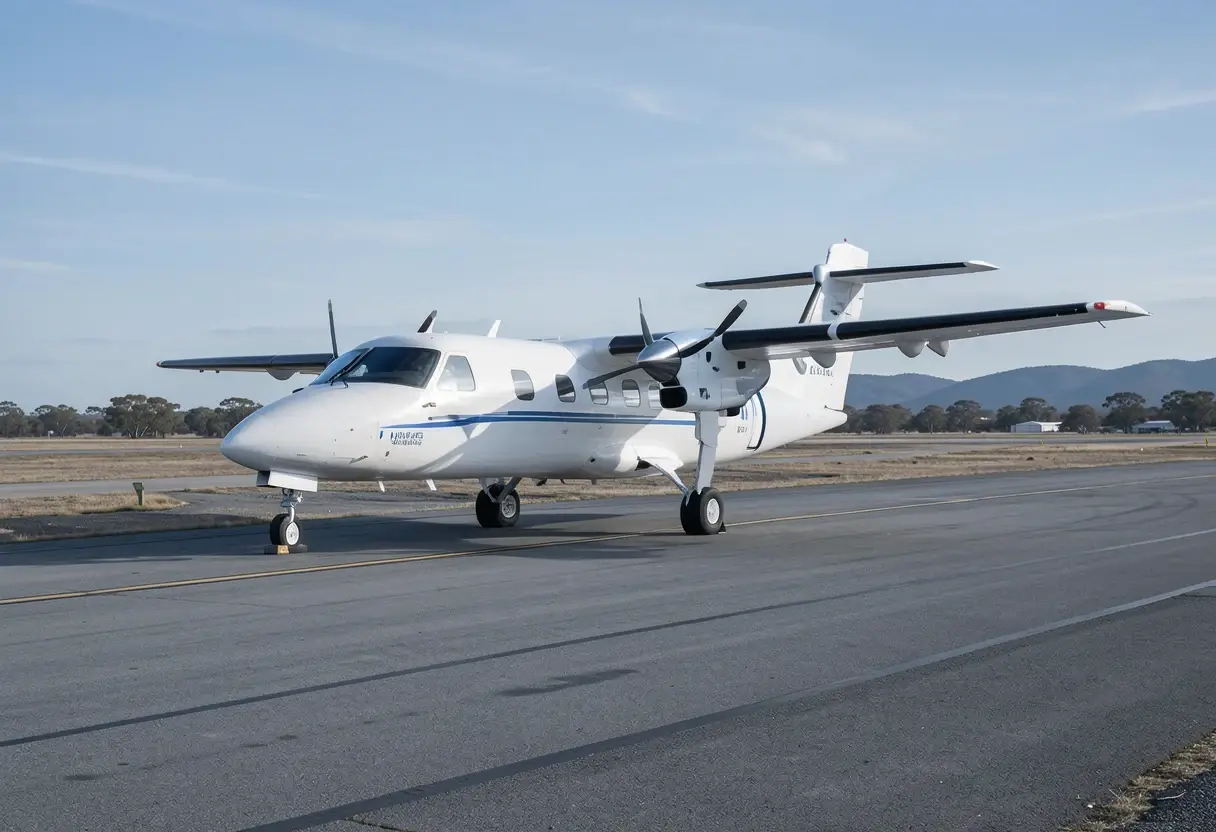
Airfares on Australia's remote and regional routes run 13% higher per kilometre than major-city services — and more than double that on some shorter routes — because the flights cost more to operate, not because carriers are overcharging. That is the central finding of the Productivity Commission's interim report on the determinants of regional airfares, the first inquiry armed with confidential airline cost and revenue data.
Commissioner Martin Stokie put the economics bluntly: on average, operating costs absorb about 91% of the fare on regional routes, leaving profit margins of roughly 9% — comparable to trunk services between major cities. "The data shows that the main reason regional flights are more expensive is because they cost more to operate," he said.
What sits behind the fares?
The structural problem is thin traffic. Half of regional and remote routes operate 10 or fewer flights per week, and more than a third of their seats fly empty. When operators spread fixed costs across so few passengers, Stokie said, they choose between charging higher fares and running the route at a loss.
Margins swing widely. Some shorter remote and regional services survive on margins below 5%, the commission found, threatening their sustainability, while mining routes frequently earn profits "significantly higher than average."
Commissioner Catherine de Fontenay noted the evidentiary breakthrough behind the findings. "Previous government inquiries have looked at the issue, but until now we haven't had the data or the evidence to understand what really sets the prices," she said. "For the first time, we've been given access to confidential cost and revenue data from the airlines."
Which costs bite hardest?
Fuel leads the list. On short regional and short remote routes, fuel costs per revenue passenger-kilometre run more than three times those on major-city routes, according to Regional Aviation Association of Australia CEO Rob Walker, whose organisation read the report as vindication.
Airport charges rank second — ahead of crew and aircraft maintenance — while regulatory compliance and security screening costs are climbing, driven by regulation rather than airport operators alone. "Regional airfares largely reflect the cost of delivering services, not excessive profits," Walker said. "Regional airlines are not overcharging; they are absorbing high and rising costs on margins that are already thin. Without action, the commission's own warning about route withdrawals will become reality for more communities."
How did industry respond?
The chair of Airlines for Australia and New Zealand, Professor Graeme Samuel, said the findings "provide important evidence to inform a more balanced discussion about regional airfares and the sustainability of regional aviation." He acknowledged the burden fares place on regional households that must fly for healthcare, education and work, but added: "Airlines cannot operate regional routes on goodwill alone."
Samuel highlighted that half of all regional and remote routes carry fewer than 15,000 passengers a year — conditions fundamentally different from high-volume metropolitan markets. He also noted that regional tourism routes, with stronger demand, generally achieve fares comparable to or lower than city routes.
What should governments do?
The commissioners set out two tests for public support. Governments should "use transparent criteria and target those who would otherwise be unable to afford necessary travel," de Fontenay said, adding that assistance "should focus on keeping communities connected, rather than supporting particular airlines."
Stokie urged a system-wide approach to regional airport funding. Case-by-case decisions, he warned, risk overfunding some airports while leaving others short of the infrastructure communities need to maintain connections and essential services.
Submissions and registrations for public hearings are open now, with the final report due in April 2027.
via australianaviation.com.au (Source)
More from Nathan Brooks
Show full bio
Correspondent covering technology and product news in Commercial aviation industry coverage at Flightdeck Report.
628 articles
Same bay
- FDR983Simplicity Reshapes Regional Cargo Economics · October 12, 2026
- FDR470High Costs and Slow Reforms Threaten Africa's Aviation Growth · October 11, 2026
- FDR378Air India says airspace restrictions now bite harder than last year · October 12, 2026
- FDR604Sydney Airport records near misses 20% above national average · September 30, 2026
- FDR410Delta Cargo Revenue Climbs 29% to $301 Million in Q3 · October 12, 2026