Clearance CLR-5928 · SUS389
SUSPER
SustainabilityClearance sheet
Pertamina Targets Sustainable Aviation Fuel From Urban Waste
Pertamina has signed PAL Jaya to explore SAF from Jakarta urban waste. No volumes, sites, or timelines disclosed; the deal sits at study, not production, stage.
Read-back
- Pertamina has partnered with PAL Jaya to explore SAF from urban waste
- PAL Jaya handles wastewater and sanitation for the Jakarta region
- No production volumes, plant capacity, or timeline were disclosed
- The agreement is at study stage, with no airline offtake signed
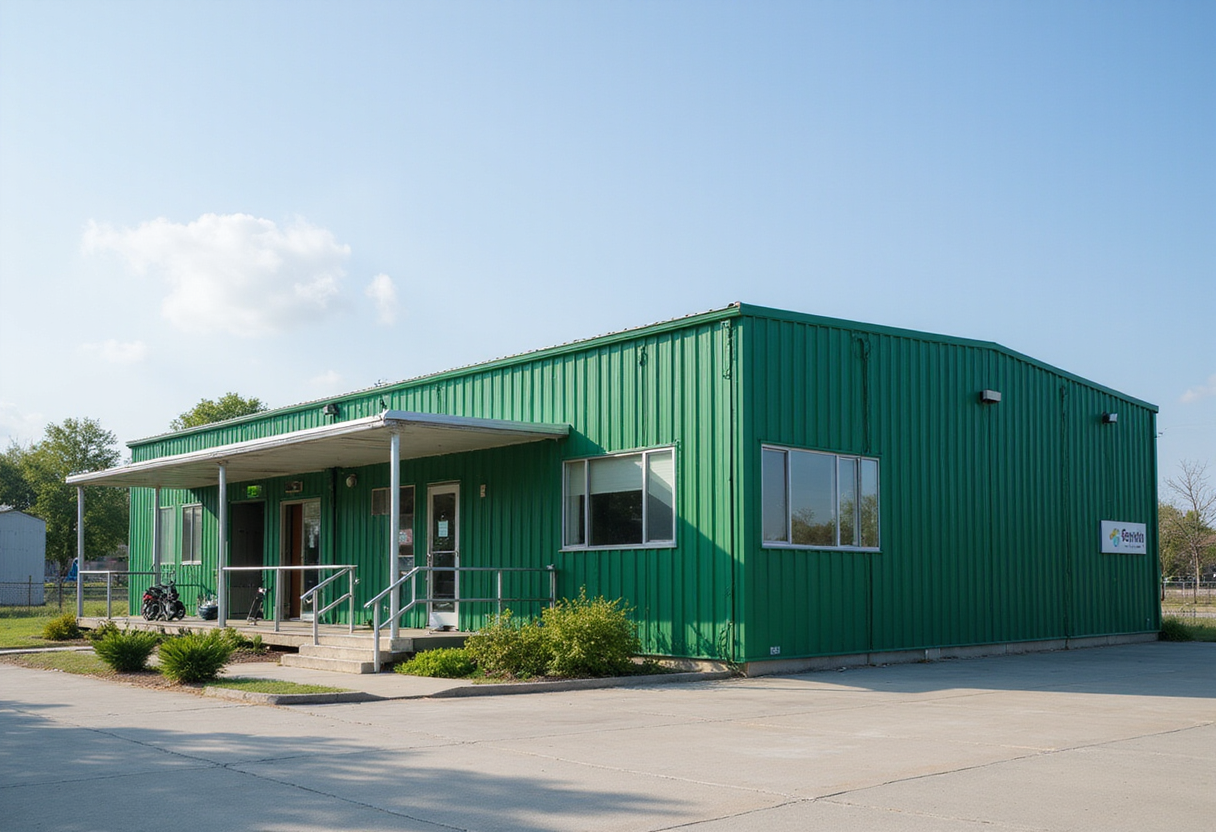
Indonesia's state energy company Pertamina has opened an exploration effort into sustainable aviation fuel produced from urban waste, signing a partnership with PAL Jaya, the Jakarta-region wastewater and sanitation utility.
The agreement targets municipal waste streams as feedstock for SAF production, according to the announcement. No production volume, plant capacity, or delivery timeline accompanied the statement. That absence matters. Feedstock agreements in the SAF sector routinely precede firm offtake by years, and many never convert.
PAL Jaya controls urban waste and wastewater flows in the Jakarta area. Pertamina refines and distributes most of Indonesia's jet fuel. The pairing gives the refiner access to a concentrated waste stream and gives the utility a monetization path for material it otherwise pays to treat.
What does this change for Indonesian carriers?
Not much yet. The partnership is an exploration, not a production commitment. No Indonesian airline has signed offtake from the venture. No refinery unit has been designated. No certification pathway has been named.
SAF must clear ASTM fuel-specification approval before it can enter commercial tanks. Waste-to-fuel routes exist under approved pathways, but each feedstock and process combination requires its own qualification work. Pertamina did not state which conversion technology it intends to study.
Indonesia's aviation market depends heavily on imported jet fuel. A domestic waste-based SAF stream would, if built, cut import exposure and give Garuda and local operators a compliance tool as ICAO's CORSIA scheme tightens emissions accounting. Those benefits remain conditional on a plant actually being financed and commissioned.
The feedstock logic
Urban waste carries appeal as a SAF feedstock. It is abundant, collected through existing municipal infrastructure, and generates no land-use competition with food crops. PAL Jaya's role suggests the partners will assess whether Jakarta's waste volumes can support a commercial-scale conversion facility.
The open questions are scale and economics. Waste-to-SAF plants elsewhere have struggled to reach nameplate output. Feedstock composition varies by district and season. Sorting costs can erode margins before conversion even begins. Pertamina said nothing about capital cost, site selection, or targeted output.
A pattern, not a promise
Pertamina has positioned itself in recent years across renewable fuel lines, and an SAF effort fits that trajectory. The PAL Jaya agreement marks the earliest stage of that effort: a study of feasibility, not a bankable project.
For the sector, the relevant benchmark is delivery. Airlines need certified volumes at competitive prices. Regulators need approved pathways. Lessors need confidence that fleet emissions math can improve. None of that follows from a memorandum stage.
The next measurable milestone would be a feasibility study result, a named technology licensor, or a site decision. Until one appears, the partnership should be read as an option on Indonesian waste-to-jet capacity, with the exercise date unwritten.
via Google News: Sustainable aviation fuel (Source)
More from James Calloway
Show full bio
Staff writer covering people, launches and day-to-day practice in Commercial aviation industry coverage at Flightdeck Report.
458 articles
Same bay
- FDR743Pertamina and Boeing Sign SAF Development MoU in Indonesia · September 30, 2026
- FDR715Philippines energy department targets 2030 for 1% SAF blend mandate · October 10, 2026
- FDR788Japan Pushes Cooking-Oil Feedstock in Sustainable Aviation Fuel Race · September 30, 2026
- FDR973Philippine energy department targets 1% SAF blend by 2030 · October 10, 2026
- FDR429Philippines' DOE weighs sustainable aviation fuel mandate · October 10, 2026