Safety & OperationsClearance sheet
Port Harcourt airport tests full-scale aircraft emergency response
Port Harcourt International Airport exercised firefighters, security, medical and control teams against a simulated aircraft emergency, with NCAA oversight and further simulations planned.
Read-back
- Port Harcourt International Airport held a full-scale emergency exercise on Wednesday.
- The drill addressed aircraft emergencies within the airport and its eight-kilometre radius.
- Firefighters, security personnel, medical teams and the airport control unit participated.
- NCAA observed the exercise; a regulatory evaluation and further simulations will follow.
- The scenario included alarm activation, evacuation, firefighting, area security and hospital transport.
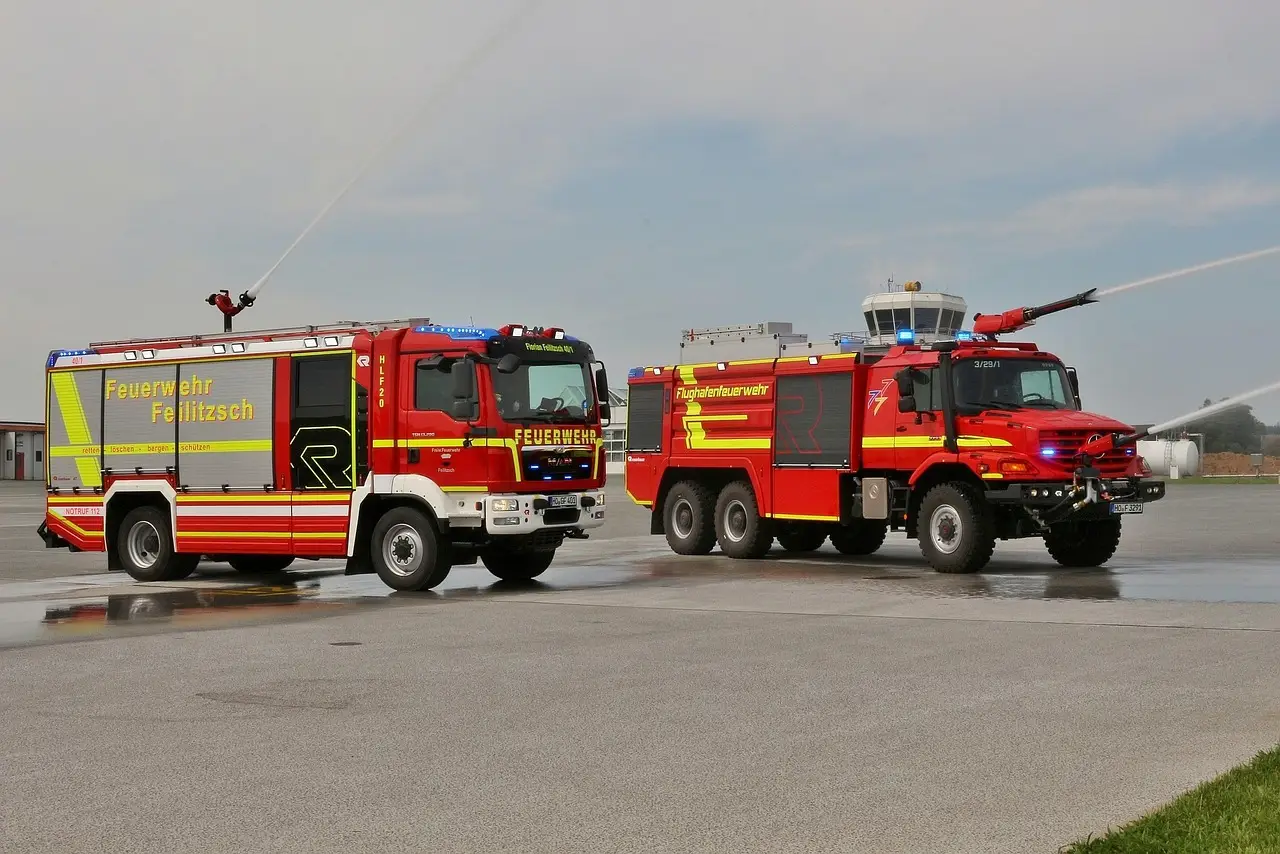
Port Harcourt International Airport on Wednesday ran a full-scale aircraft emergency exercise covering the airport and its eight-kilometre radius, with the Nigerian Civil Aviation Authority (NCAA) observing.
The drill assessed the airport’s preparedness and response capacity for aircraft emergencies in line with NCAA requirements. It brought together firefighters, security personnel, medical teams and the airport control unit.
Exercise scope and response sequence
The simulation began with an alarm, after which responders had to complete a linked sequence:
- Evacuate victims from the affected area.
- Extinguish the simulated fire.
- Secure the area and control access.
- Transport injured people to the airport hospital for treatment.
These tasks tested the emergency plan (the prearranged procedures for an airport incident), the speed of individual responses and coordination among agencies. The report did not disclose an aircraft type, damage scale, casualty count or elapsed time, so it cannot establish how closely the exercise reproduced a real accident.
Responder performance and its limits
Lydia Ezike, the Federal Airports Authority of Nigeria’s (FAAN) regional manager for the South South region, said: “We are conducting a full-scale emergency mock exercise in compliance with the regulatory requirements as stipulated by NCAA to test the adequacy of the airport emergency plan and procedures.” The exercise also tested primary responders, communication and coordination with stakeholders.
Ukaegbu Stephen, the airport’s chief of security, reported that responders acted promptly. Firefighters arrived quickly, while aviation security personnel secured the incident area and controlled access, allowing the response to proceed in an orderly way.
That assessment remains qualitative. Without arrival times, evacuation intervals or a common scoring standard, the report cannot compare the drill with previous exercises or with an actual event. It also does not show whether every participating agency met the same performance threshold.
Evaluation remains outstanding
Ezike said a regulatory evaluation and further simulations would follow the exercise. Their stated purpose was to equip personnel with the technical knowledge needed for aircraft emergencies within the airport and its eight-kilometre radius.
The announcement therefore treats one exercise as part of a training cycle rather than the end of the process. The report announced no evaluation date, pass mark, corrective-action list or further timetable, and no new operational approval for the airport.
Chukwu Emmanuel, NCAA’s general manager, used a blunt description of the risk: “The thing about accidents is that it doesn’t announce itself. What we do is to make sure that we get the personnel ready as to how they will respond in a situation where there is an emergency occurrence, which is either an incident or an accident.”
He said accidents could occur without warning and preparedness must continue beyond any particular period or season. The airport must maintain its highest safety standards at all times, he said.
He also said regular training, emergency-preparedness meetings and other safety programmes should help personnel understand their responsibilities when an emergency occurs.
What does this change for passengers?
For passengers, the announcement changed no flight, fare, check-in or transfer arrangement; it was a regulatory exercise, not a service launch or approval for extra capacity. The immediate result is an evaluation process, while Ezike advised passengers and airport users to follow safety signs and instructions from airlines and airport authorities to support safe flights and a positive travel experience.
The practical significance is operational rather than commercial. Rehearsing fire control, security access, evacuation and medical transfer tests whether responders can contain an incident before it interrupts wider airport activity. The report offered no response-time target, disruption estimate, cost figure or quantified capacity benefit, so it cannot support a claim about fewer delays or shorter closures.
The evidence still missing
A mock exercise can demonstrate coordination, but the report contains no measured before-and-after results. The regulator’s observation and the security chief’s account establish that agencies participated and that commanders considered the response prompt; they do not establish aircraft-level readiness for every hazard.
The next evaluation and repeat simulations will provide the more demanding evidence. They can test whether gaps identified during evaluation have been corrected and whether staff retain the required technical knowledge. Port Harcourt has completed the drill required by NCAA; its evaluation and follow-up simulations will show whether the airport met the regulator’s formal performance standard.
via channelstv.com (Source)
More from Sophie Lindqvist
Show full bio
Senior reporter covering people, launches and day-to-day practice in Commercial aviation industry coverage at Flightdeck Report.
707 articles
Same bay
- Aberdeen Airport and Bristow Stage Ramp Collision Drill · September 30, 2026
- Keyamo, Air Force Chief Move to Strengthen Safety After Fatal Crash · October 10, 2026
- Nigeria's Keyamo, Air Chief Act to Close Civil-Military Aviation Safety Gap · October 8, 2026
- Igbokoda Crash Prompts Keyamo–Air Force Talks on Civil-Military Safety Gap · October 10, 2026
- Nigerian Senate Orders Review After VIP Movements Force Hour-Long Holds · November 10, 2026