Clearance CLR-2216 · SAF965
SAFQAT
Safety & OperationsClearance sheet
Qatar's aviation safety system rests on training and coordination
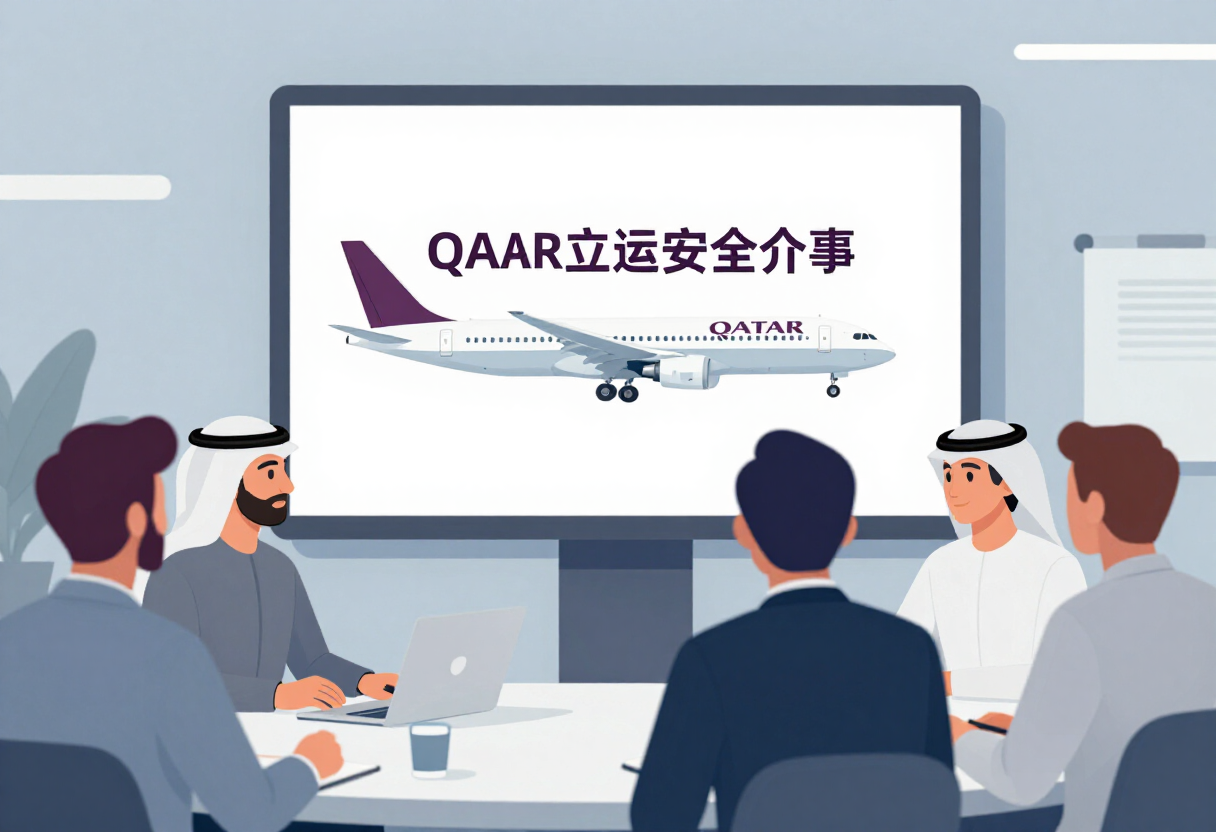
Qatar's aviation safety framework combines rigorous training programs with stakeholder coordination, supporting the Gulf nation's position as a major global aviation hub.
Read-back
- Qatar's aviation safety system is built on training and coordination as core pillars
- The approach involves continuous personnel development across multiple aviation disciplines
- Coordination among stakeholders follows international best practices promoted by ICAO
Overview
Qatar's aviation safety system is fundamentally supported by two pillars: comprehensive training programs and effective coordination among stakeholders, according to a report from The Peninsula Qatar. The Gulf nation has developed a safety framework that integrates regulatory oversight with industry participation.
Training as a Foundation
The emphasis on training spans multiple levels of Qatar's aviation ecosystem. From pilots and maintenance crews to air traffic controllers and regulatory inspectors, personnel preparation is treated as a continuous process rather than a one-time certification requirement. Qatar's investment in human capital development aligns with its broader strategy of positioning Doha as a global aviation hub.
Coordination Among Stakeholders
Safety in aviation requires seamless interaction between airlines, airports, regulators, and service providers. Qatar's approach reportedly prioritizes information sharing and joint safety initiatives across these different entities. This coordination model reflects international best practices promoted by ICAO and other global aviation bodies.
Regional Context
Qatar's safety record contributes to its competitive position in the Middle East aviation market. As the country continues to expand Hamad International Airport's capacity and Qatar Airways' network, maintaining rigorous safety standards remains essential to sustaining growth and international confidence.
Looking Ahead
The focus on training and coordination suggests Qatar's aviation safety system will continue evolving alongside the industry's expansion, with ongoing investment expected in both areas.
via Google News: Aviation safety (Source)
More from Nathan Brooks
Show full bio
Correspondent covering media and advertising at Flightdeck Report.
149 articles
Same bay
- FDR765Boeing safety leader takes lessons to United Nations forum · September 26, 2026
- FDR942Global Regional Safety Forum on Aviation Opens in Guyana · September 29, 2026
- FDR952Asia-Pacific States Back ICAO-Coordinated Safety and Sustainability Pact · September 30, 2026
- FDR464Guyana to Host Global Aviation Safety Forum as Sector Expands · September 28, 2026
- FDR180Indonesia's Transportation Ministry Tightens Three-Layer Aviation Safety Oversight · September 27, 2026