Clearance CLR-4405 · AIR810
AIRQUE
AirportsClearance sheet
Queen Alia Airport Posts Passenger Growth as Cargo, Movements Slip
Queen Alia International Airport carried more passengers in September while aircraft movements and cargo volumes both declined, Petra reports — a divergence rooted in capacity and load factors.
Read-back
- QAIA passenger traffic rose in September, Petra reports.
- Aircraft movements at QAIA declined over the same month.
- Cargo volumes at QAIA also fell in September.
- The facility is Jordan's main international gateway near Amman.
- The September result shows passenger growth with falling flight counts and freight throughput.
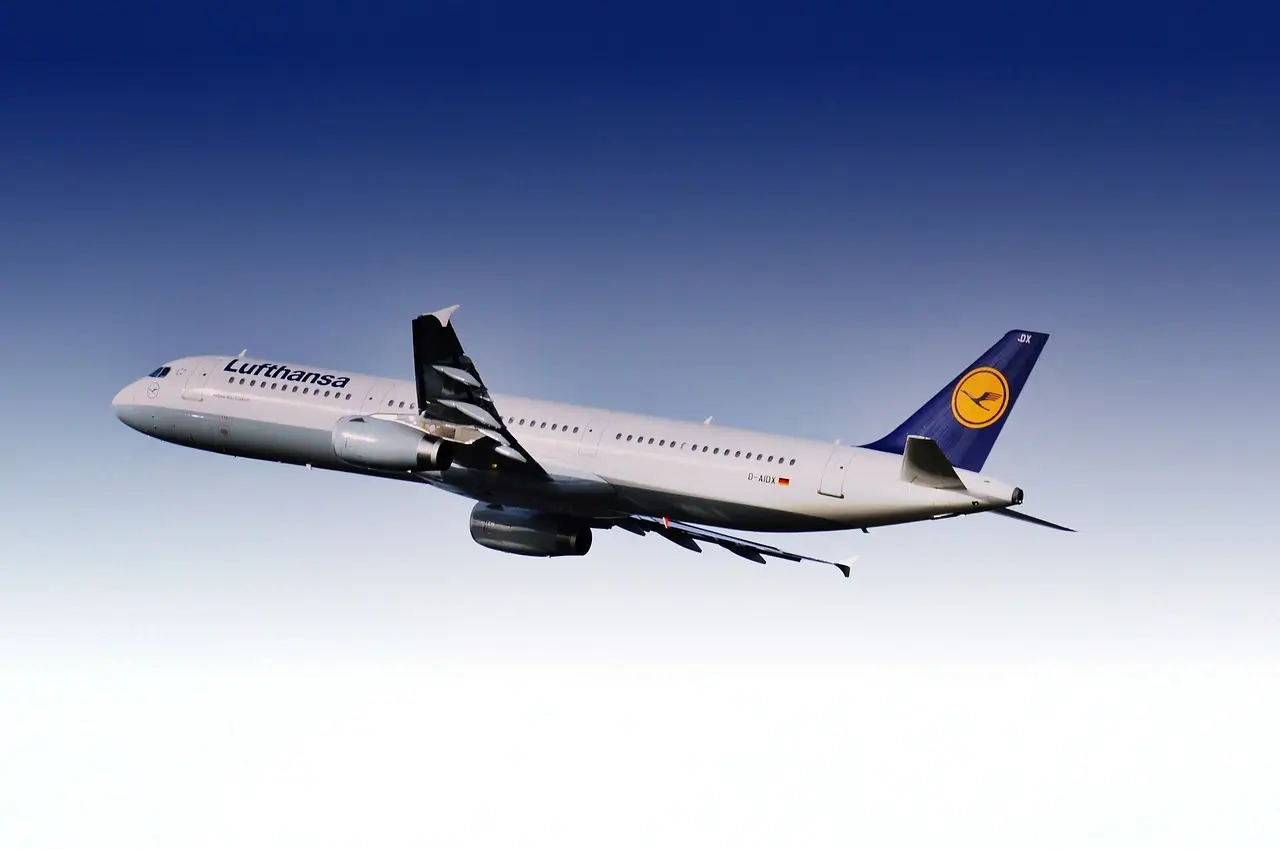
Queen Alia International Airport (QAIA), Jordan's main hub near Amman, recorded a modest rise in passenger traffic in September, even as aircraft movements and cargo volumes declined over the same month. The figures, reported by Jordan's state news agency Petra, point to a month in which airlines carried more people with fewer flights and moved less freight through the facility.
The divergence matters because the three metrics rarely move in opposite directions without a cause. Passenger numbers up while aircraft movements are down usually means airlines operated larger aircraft, consolidated frequencies, or improved load factors (the share of available seats actually sold). Cargo falling at the same time suggests weaker freight demand or a shift of cargo flows to other gateways in the region.
What does this change for QAIA's operators?
For airport operator Airport International Group (AIG), which manages QAIA under concession, the September result cuts both ways. More passengers support retail, dining and other per-passenger revenue streams that now anchor airport economics worldwide. Fewer movements, meanwhile, reduce air traffic control workload and turnaround congestion — but they also mean fewer landing and parking charges per day, a core line of aeronautical income.
The cargo decline carries its own weight. Freight throughput at QAIA feeds Jordan's export economy, including pharmaceuticals, produce and textiles, and supports the country's position as a logistics alternative to larger Gulf hubs. A single down month does not establish a trend, but sustained cargo softness would pressure the airport's case for further cargo-terminal investment.
The passenger story: fuller aircraft, fewer flights
The most plausible mechanism behind rising traffic with falling movements is capacity discipline. When an airline replaces a narrowbody with a widebody on a route, or drops a lightly booked frequency while keeping the stronger one, total passengers can rise while the flight count falls. Load factor gains produce the same arithmetic: identical schedules, more seats filled.
That pattern is common across the Middle East this year, where carriers have prioritised yield (average revenue per passenger) over volume as aircraft deliveries run late and lease rates stay high. QAIA sits inside that system, serving a mix of national carrier Royal Jordanian, regional Gulf operators and international carriers connecting Amman to Europe, Asia and North America.
Cargo's quieter signal
Air cargo volumes are a recognised early indicator of trade conditions. A dip at QAIA in September may reflect seasonal softness, shifts in freighter capacity, or competition from sea and land routes. Petra's report gives no single-month explanation, and one month of data cannot separate cyclical noise from structural change.
What the figure does establish is that QAIA's growth in September came entirely from the passenger side of the business. For an airport that has invested heavily in terminal capacity since its current facility opened, that is a mixed result: passengers are the revenue engine, but cargo and movements round out the traffic base that underpins route development negotiations with airlines.
Looking ahead
The next months will show whether September's pattern holds. A continuation of passenger growth through the winter schedule would strengthen QAIA's standing with carriers weighing new Amman routes; a second or third consecutive cargo decline would put the freight side of the business under closer scrutiny from both the operator and the authorities that track Jordan's trade flows.
via Google News: Air cargo (Source)
More from Sophie Lindqvist
Show full bio
Senior reporter covering people, launches and day-to-day practice in Commercial aviation industry coverage at Flightdeck Report.
531 articles
Same bay
- FDR713Royal Jordanian pivots to freight with new dedicated aircraft · October 1, 2026
- FDR247IATA Data Show Air Cargo Demand Up 4.4% in August · September 30, 2026
- FDR685IATA: Air Cargo Demand Climbs 4.4% in August as Capacity Slips · September 30, 2026
- FDR310Cargo Handler Consolidation Could Squeeze Airlines' Ground Costs · September 30, 2026
- FDR694International Cargo Service Ends at Birmingham Airport · October 14, 2026