Clearance CLR-5343 · AIR704
AIRRIY
Airlines & NetworksClearance sheet
Riyadh Air relocates flights to Al Qassim after deadly airport attack
Riyadh Air shifts six routes to Al-Qassim Airport after an October 10 attack on King Khalid killed 12, busing passengers three hours as Houthi missile threat persists.
Read-back
- An October 10, 2026 attack on King Khalid International Airport killed 12 people and grounded flights.
- From October 25, 2026, Riyadh Air operates six routes — Cairo, Dhaka, Jeddah, London Heathrow, Lahore, Islamabad — from Al-Qassim International Airport.
- Complimentary coach transfers from Riyadh to ELQ take over three hours.
- Saudi forces intercepted 10 Houthi ballistic missiles on October 25, 2026; the US embassy urged 'extreme caution' at Saudi airports.
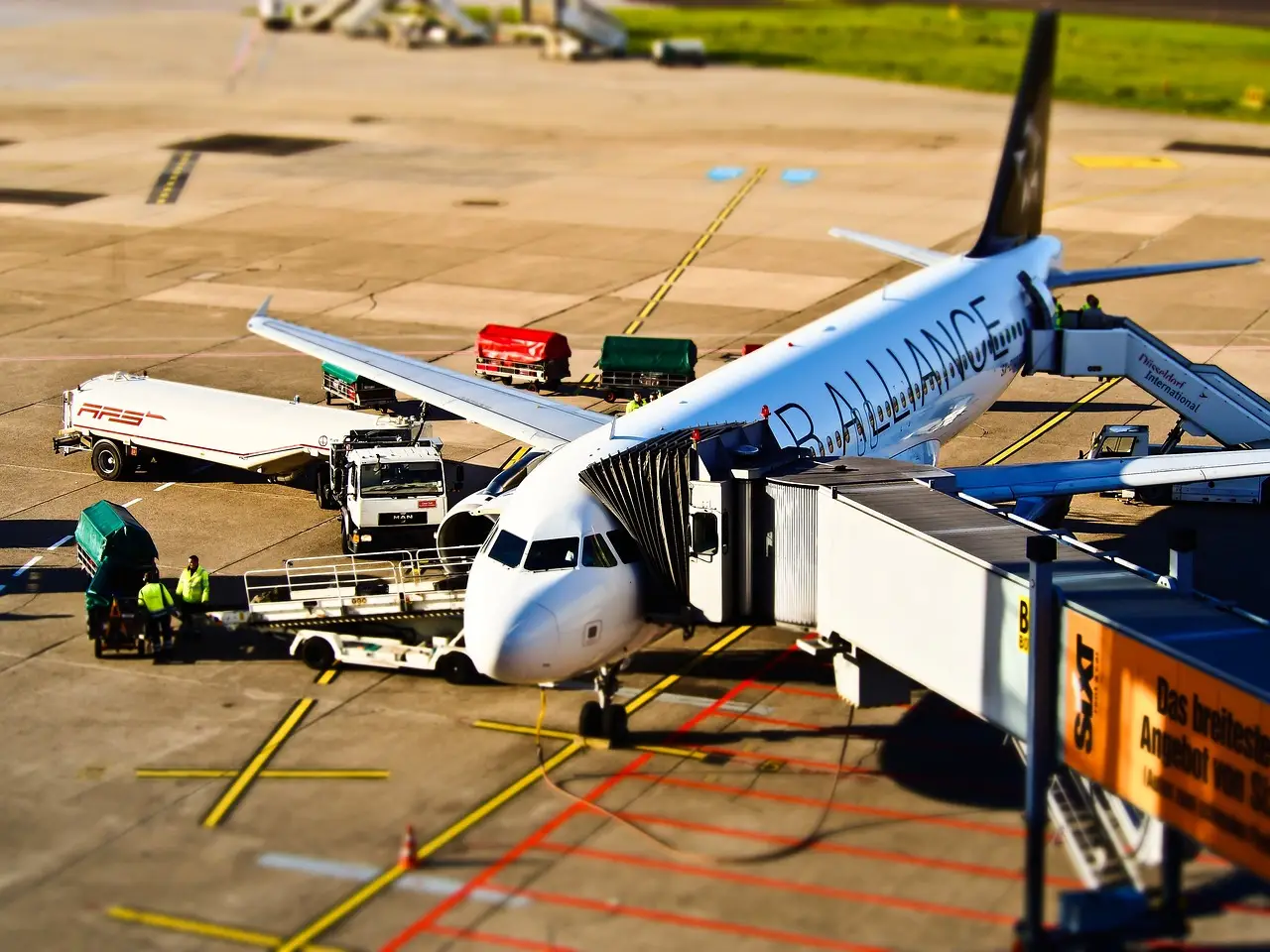
Riyadh Air has moved its entire operating base out of the Saudi capital, shifting flights from King Khalid International Airport (RUH) to Al-Qassim International Airport (ELQ) as it works to restart services after a Houthi attack on Riyadh's airport killed 12 people on October 10, 2026.
From October 25, 2026, the carrier will operate six routes from Al Qassim rather than Riyadh: Cairo (CAI), Dhaka (DAC), Jeddah (JED), London Heathrow (LHR), Lahore (LHE) and Islamabad (ISB). The airline confirmed the relocation itself, making it the most concrete measure yet by a Saudi carrier to route around the security crisis rather than wait it out.
What does the move mean for passengers?
Riyadh Air will run a complimentary coach service for passengers from Riyadh to ELQ. The overland transfer takes more than three hours — roughly the flight time from Riyadh to Cairo — adding significant total journey time to every itinerary.
That trade-off tells the story. For an airline whose network anchors on the capital, busing passengers three-plus hours to catch a flight is expensive, awkward and hard to sustain. It is also, under current conditions, the only way to fly.
The wider context is grim. Since the October 10 attack, flights from RUH have been suspended outright or constrained by government restrictions. On October 25 — the same day Riyadh Air named as its Al Qassim start date — King Khalid International Airport announced it would reopen, with Terminal 1 designated for domestic flights and Terminal 2 for international operations.
But the airport's reopening and the airline's relocation point in opposite directions. With the risk of Houthi attacks still active, Riyadh Air has chosen to restart operations well away from the capital, effectively declining to return to RUH on day one of its availability.
How far does the relocation actually buy?
Geography offers partial protection, not safety. Al-Qassim International Airport sits farther from Yemen than Riyadh does, but a Houthi ballistic missile retains the physical range to reach the area. What has changed, so far, is the record: Al-Qassim has not been hit by Houthi weapons, while Riyadh has.
The threat remains live on both ends of the calculus. On October 25, 2026, the Saudi government said it had intercepted and destroyed 10 ballistic missiles launched by the Houthis toward the country's southern region. An earlier announcement reported another ballistic missile, targeting Riyadh itself, intercepted and destroyed.
What are regulators and governments saying?
The United States has weighed in directly. Its embassy advised citizens in Saudi Arabia to take "extreme caution" if they choose to use the country's airports — language that puts official weight behind what the missile intercepts already imply.
The security picture is also drawing outside military involvement. The United Kingdom is preparing to fly Royal Air Force Typhoon fighters to Saudi Arabia to help defend the kingdom against Houthi attacks, a signal of how seriously Western governments view the threat to Saudi airspace and infrastructure.
What comes next?
Riyadh Air now faces the practical question every relocated carrier does: whether Al Qassim is a bridge back to RUH or a longer-term operating base. The airline's own schedule answers nothing beyond October 25, and with Terminal 2 standing ready for international traffic at King Khalid, the gap between airport availability and airline willingness is now the clearest measure of how the market prices the risk. Until intercepts stop making headlines, the three-hour coach ride looks set to stay part of the route map.
via sa.usembassy.gov (Original)
More from Nathan Brooks
Show full bio
Correspondent covering technology and product news in Commercial aviation industry coverage at Flightdeck Report.
569 articles
Same bay
- FDR982Riyadh Airport Closure Extended as US Issues Aviation Safety Warning · October 12, 2026
- FDR403Riyadh's airport stays shut this week as carriers cancel services · October 12, 2026
- FDR147Riyadh Air Adds Heathrow Frequencies as 787 Deliveries Accelerate · October 1, 2026
- FDR453Saudi Arabia Extends Riyadh Airport Suspension Amid Houthi Attacks · October 13, 2026
- FDR385King Khalid International Airport Extends Closure Period · October 12, 2026