Clearance CLR-3073 · AIR424
AIRRIY
AirportsClearance sheet
Riyadh Departures Rank Among World's Most Tracked After Houthi Strikes
Airlines cancelled 86% of Riyadh flights in October after Houthi strikes killed 17. Now every departure from King Khalid is a live measure of recovery.
Read-back
- Airlines cancelled 4,071 of 4,736 scheduled Riyadh flights between 8 and 25 October — an 86% disruption rate (Cirium).
- Houthi attacks killed 17 people, wounded 333 and damaged six aircraft worth around $375 million in insured value.
- Riyadh reopened on 18 October under NOTAMs requiring GACA prior permission and barring diversions.
- Etihad's Riyadh suspensions run to 19 November; IndiGo's to 30 November.
- Jeddah–Riyadh is the world's tenth-busiest domestic route, with about 617,000 seats scheduled in November (OAG).
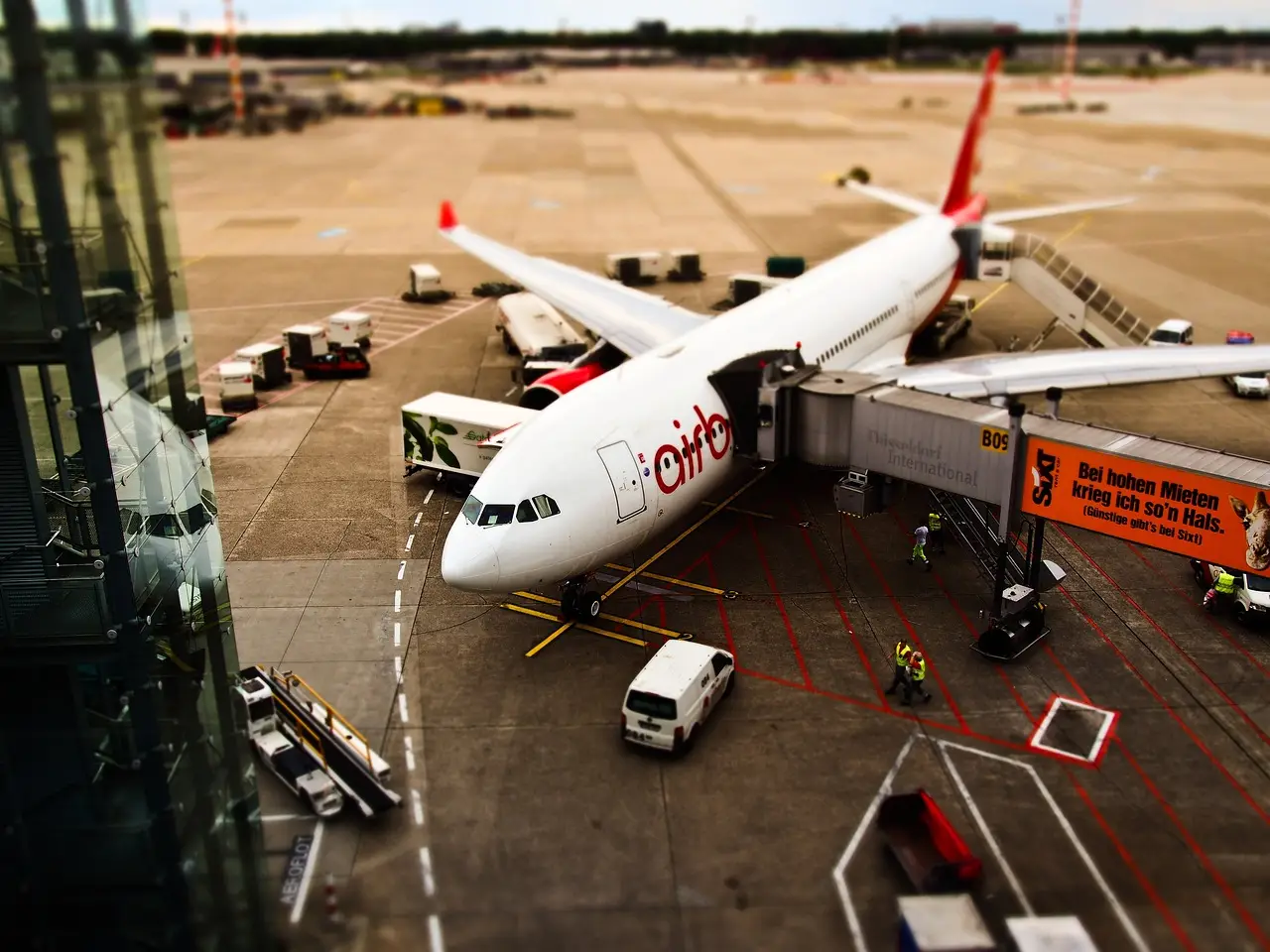
Airlines cancelled 4,071 of 4,736 scheduled flights at Riyadh's King Khalid International between 8 and 25 October — an 86% disruption rate that explains why every departure from the Saudi capital now draws a global audience on Flightradar24.
On 3 November, Flightradar24 said on X that US Air Force tankers led its most-tracked list, and that users were also following other aircraft in the region, "especially those operating to/from Riyadh." The attention didn't appear from nowhere. For a month, King Khalid has sat at the centre of a conflict, and routine departures have become a live measure of regional security.
What happened at King Khalid International?
The trouble began in early October, when Yemen's Houthis launched a string of missile and drone attacks against the airport. On 10 October, one strike killed 13 people and wounded more than 300 — the deadliest attack in the kingdom in more than a decade. Authorities halted airport operations that same day.
The Saudi-led coalition later put the toll across October at 20 attacks on the airport, killing 17 people and wounding 333. The strikes also damaged six commercial aircraft with a combined insured value of roughly $375 million, according to Aerospace Global News.
Cirium's schedule data captured the operational collapse: nearly nine in ten planned movements at Riyadh never operated during the 18-day window.
How did the reopening work?
Riyadh reopened to authorised traffic on 18 October under tight rules. NOTAM A3650/26 requires operators to obtain prior permission from Saudi Arabia's General Authority of Civil Aviation, while NOTAM A3651/26 bars airlines from planning to use the airport as a diversion.
At that stage, Flightradar24 still ranked King Khalid as the world's most disrupted airport, with a disruption index of 5.0, and confirmed that only private and cargo flights had used the field since it reopened. Passenger operations resumed at two terminals on 25 October — though tracking data showed little traffic that first day, and the Houthis warned the airport would "never be safe."
Why are watchers following every departure?
When a major hub returns from closure, each departure becomes evidence of whether the recovery is real. Travellers, journalists, enthusiasts and security analysts are all reading the same map.
So far, the map shows a fragile picture. According to AGBI, no European carrier currently serves Riyadh, and Flightradar24 data showed almost a third of flights suffering delays or cancellations on 9 November.
Regional airlines remain cautious:
- Etihad has cancelled all passenger and cargo flights between Abu Dhabi and Riyadh until 19 November.
- flydubai has suspended its services until 16 November.
- KLM, Lufthansa and Philippine Airlines have pushed their returns into the second half of November.
- IndiGo has suspended Riyadh flights until 30 November.
That leaves Saudia and flynas shouldering much of the remaining traffic. Their domestic network matters as much as international recovery: OAG data reported by Quartz shows airlines scheduled around 617,000 seats between Jeddah and Riyadh in November, making it the tenth-busiest domestic route in the world. Each departure now doubles as a public signal of confidence.
What role is military traffic playing?
The tankers at the top of the tracking list add another layer. Flightradar24 did not explain their mission, and public tracking only shows aircraft broadcasting their position. The timing stands out, though: Washington has ordered nonessential embassy staff and their families to leave Saudi Arabia, and the UK has pledged fighter jets to help defend the kingdom.
Conflict has always driven flight tracking. When Nancy Pelosi flew to Taiwan in 2022, more than 708,000 people followed SPAR19 before it landed — a record at the time. Flightradar24 also lists airspace near conflict zones among its biggest tracking hotspots. The Saudi capital simply fits a familiar pattern.
What comes next for Riyadh?
The recovery will play out in public, one flight at a time. The EASA conflict zone bulletin for Saudi airspace remains in effect until 16 November unless reviewed earlier, and several airlines plan to return in the weeks that follow. If those flights operate smoothly, interest should fade; if the Houthis strike again, Flightradar24 will likely show the impact before any official statement does.
via theaviationhub.co.uk (Source)
More from Nathan Brooks
Show full bio
Correspondent covering technology and product news in Commercial aviation industry coverage at Flightdeck Report.
621 articles
Same bay
- FDR156Riyadh Airport Attack Kills 12, Injures 309; 260 Flights Scrapped · October 12, 2026
- FDR634Three dead, 36 injured as Houthi strikes hit Riyadh and Abha airports · October 7, 2026
- FDR306Houthi Missile Attacks on Riyadh and Abha Airports Kill Three · October 8, 2026
- FDR456Saudia pilot killed, parked aircraft damaged in Riyadh missile attack · October 9, 2026
- FDR258Saudi Airspace Crisis: 45% of Flights Grounded as Houthi Attacks Escalate · November 9, 2026