Clearance CLR-8213 · AIR120
AIRSAS
Airlines & NetworksClearance sheet
SAS Bets Summer 2027 Growth on Frequencies, Not New Destinations
SAS goes daily to Tokyo, Seoul, Washington and Atlanta from Copenhagen in summer 2027, swaps A350s onto Chicago and Mumbai, and adds just two new seasonal routes.
Read-back
- Tokyo, Seoul and Washington rise from six weekly departures to daily from Copenhagen in summer 2027
- Atlanta jumps from five weekly flights to daily; Seattle goes from four to five
- Airbus A350 replaces A330 on Copenhagen–Chicago and Copenhagen–Mumbai routes
- Geneva frequency rises ~46%, from 13 to 19 weekly departures
- Two new seasonal routes: Ljubljana from June 25, 2027 (E195, 122 seats) and Menorca from June 30, 2027 (A320neo, 180 seats)
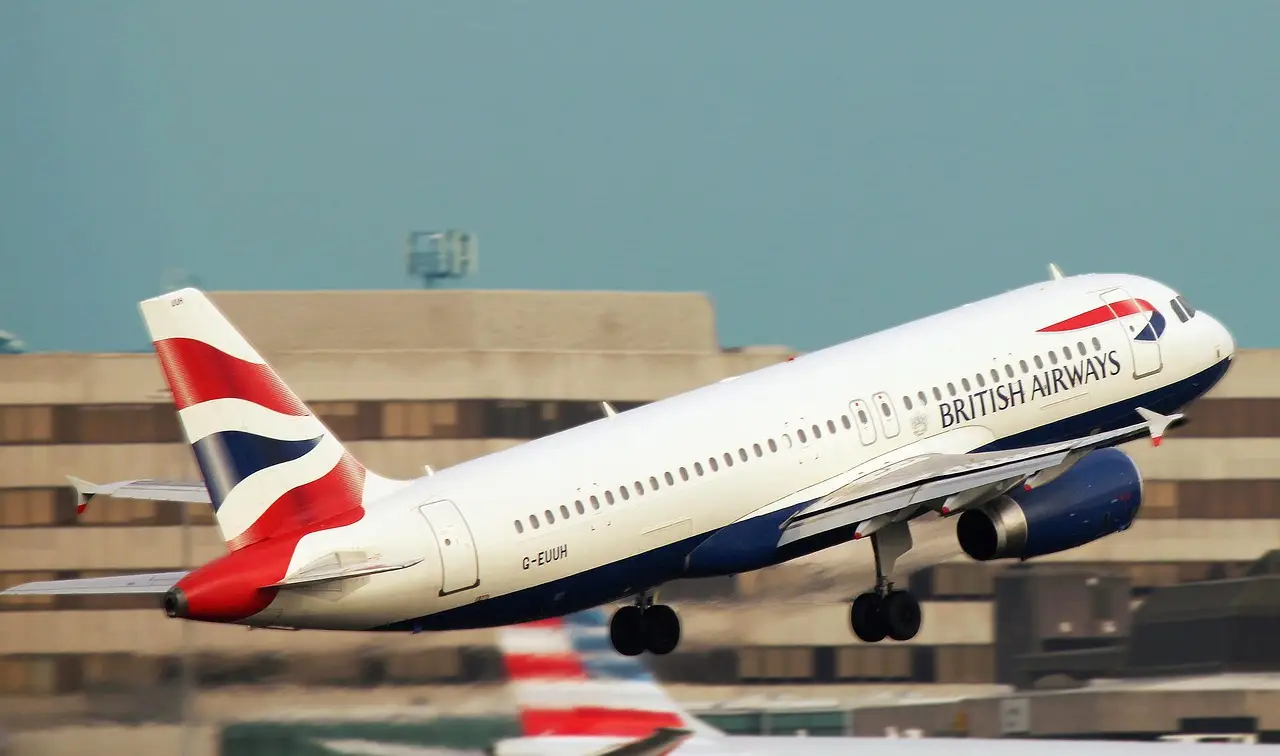
SAS will lift Tokyo, Seoul and Washington from six weekly departures to daily service in summer 2027, the centre-piece of a network expansion announced on November 10, 2026. Seven intercontinental routes gain capacity and more than 20 European and Scandinavian routes gain frequency, all funnelled through Copenhagen.
The airline is not chasing new long-haul destinations. It is adding seats and departures where demand already exists.
What does the schedule actually change?
The long-haul changes from Copenhagen are specific:
- Tokyo, Seoul, Washington: six weekly departures rise to daily, one added departure per week on each route.
- Atlanta: five weekly departures rise to daily — the largest relative jump in the program.
- Seattle: four weekly departures rise to five.
- Chicago and Mumbai: the Airbus A350 replaces the Airbus A330, raising seat capacity on both routes without added frequencies.
Mumbai will operate its first full summer season since SAS restored India service in October 2026. The switch from A330 to A350 on that route signals the carrier expects the market to hold beyond the launch phase. That assumption remains untested over a northern-hemisphere summer.
Where does Europe gain capacity?
The European build-out concentrates on Copenhagen point-to-point and connecting spokes. Geneva jumps from 13 to 19 weekly departures, roughly a 46 percent increase in frequency. Barcelona rises from ten to 13 weekly flights; Venice from eight to 11.
Domestic and intra-Scandinavian trunk routes grow too. Copenhagen–Stockholm climbs from 15 to as many as 18 daily departures. Copenhagen–Aarhus rises from four to five daily. Stavanger–Trondheim expands from three to four daily rotations.
From Stockholm, SAS adds capacity to Luleå and Kiruna in northern Sweden, gives Rome six weekly departures, and adds services to Milan and Madrid. Geneva and Keflavik flights from Stockholm will now run through the entire summer season instead of shorter windows. From Oslo, the airline adds capacity to Manchester, Brussels and Rome. Nice, Mallorca, Porto, Bilbao and Catania all gain flights from Copenhagen.
The pattern is consistent: Spain and the Mediterranean absorb a disproportionate share of the new capacity, reflecting sustained Scandinavian leisure demand.
What are the new routes worth?
Only two genuinely new destinations appear, both seasonal, both from Copenhagen, both short-lived.
- Ljubljana: launches June 25, 2027, twice weekly until August 6, operated by an Embraer E195 with 122 seats.
- Menorca: launches June 30, 2027, once weekly until August 4, operated by an Airbus A320neo with 180 seats.
Menorca becomes SAS's third Balearic destination after Mallorca and Ibiza. Tickets for both routes went on sale November 10, 2026, through the airline's website and app. A once-weekly, six-week seasonal service is a low-commitment probe, not a network bet — SAS will learn the market's depth before deciding whether the route returns.
Why Copenhagen keeps absorbing the growth
The strategy ties every change to one asset: Copenhagen's role as Northern Europe's connecting hub. More departures widen connection banks between regional Scandinavian airports and long-haul gates in Asia and North America. Business travellers, who buy on schedule flexibility rather than price alone, are the implicit target.
"Our focus for summer 2027 is on adding capacity where we see clear demand," said Erik Westman, Executive Vice President and Chief Revenue Officer at SAS.
That is a disciplined statement, and it is also a cautious one. Westman's framing confirms SAS is defending established demand rather than stimulating new markets. What the statement does not address is aircraft availability, slot constraints at Copenhagen, or how the added widebody capacity interacts with fleet deliveries — the program's viability rests on those unstated variables.
Frequency growth with no new long-haul destinations limits downside risk, but it also caps upside: if a competitor opens an unserved Scandinavia–Asia or North America city pair first, SAS's summer 2027 schedule leaves it a follower. For now, the carrier has chosen density over reach, and the November 2026 booking data behind these routes will be the first test of whether that density holds through to summer 2027.
via rustourismnews.com (Source)
More from James Calloway
Show full bio
Staff writer covering people, launches and day-to-day practice in Commercial aviation industry coverage at Flightdeck Report.
675 articles
Same bay
- FDR431SAS opens widebody talks with Airbus and Boeing · September 30, 2026
- FDR12729 New Transatlantic Routes for 2027 Land in a Shrinking Market · November 14, 2026
- FDR880Ryanair unveils first 29 routes for Summer 2027 schedule · October 10, 2026
- FDR386Ryanair Unveils First 29 Routes for Summer 2027 Schedule · October 10, 2026
- FDR148Two Airlines Open Summer 2027 Sales With 47 New Routes · October 12, 2026