Airlines & NetworksClearance sheet
Seven US carriers sued over alleged fare-data collusion
Seven US airlines face proposed class actions alleging ATPCO and 3Victors enabled fare coordination. The complaints revive scrutiny of a fare-data system tied to a 1992 DOJ case.
Read-back
- Two proposed class actions filed Nov. 2 and Nov. 4, 2026, name seven US airlines.
- ATPCO has 10 airline owners and acquired 3Victors in December 2023.
- The Ward complaint identifies two 3Victors tools: the Iris repository and PriceEye dashboard.
- A 1992 DOJ complaint identified more than 50 price-fixing agreements across hundreds of routes.
- The 1994 consent decrees lasted 10 years, restricted pricing communications and produced no admissions of wrongdoing.
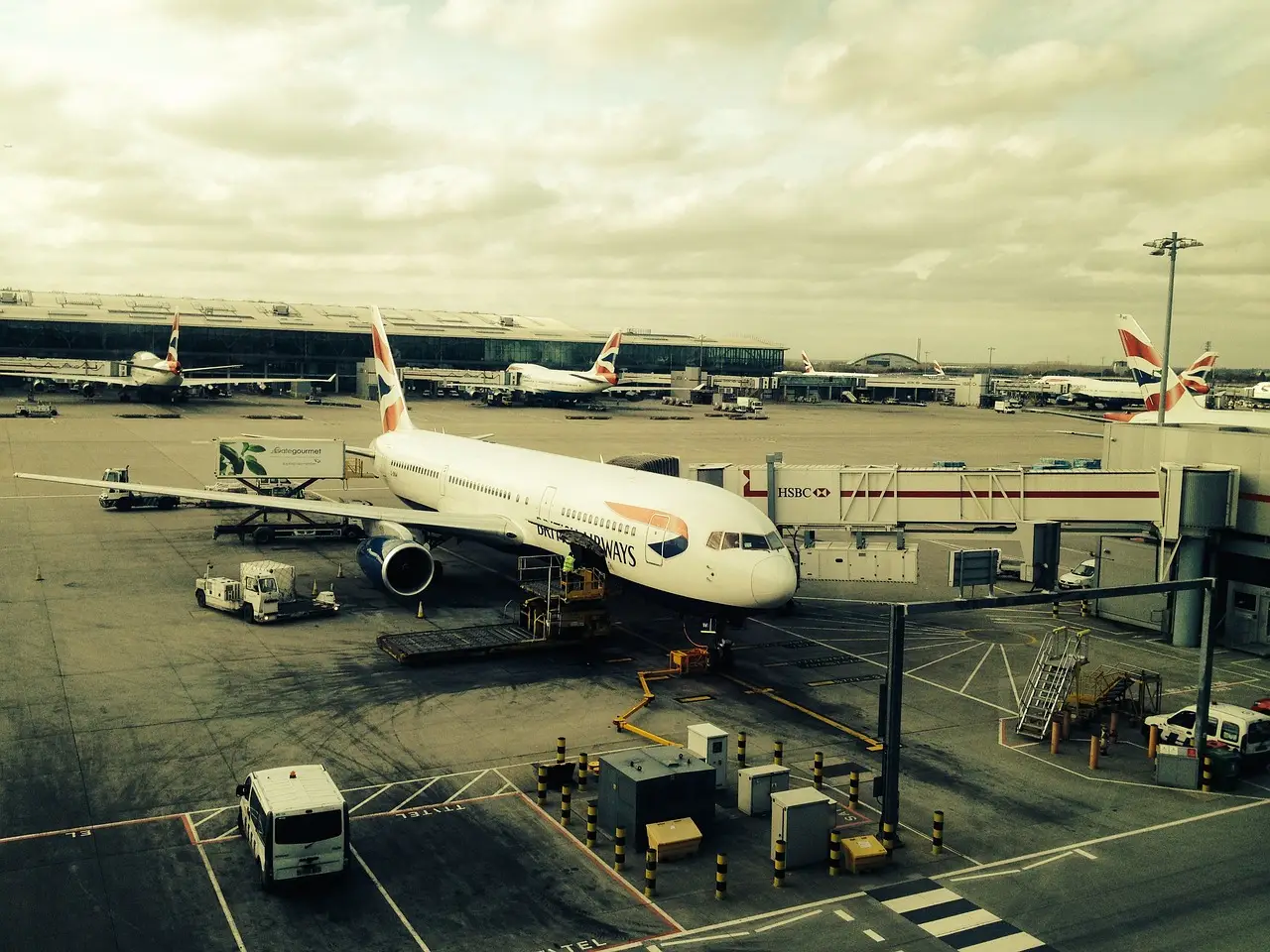
Seven US airlines are defendants across two proposed class actions filed Nov. 2 and Nov. 4, 2026. The complaints allege that airlines used confidential fare data through Airline Tariff Publishing Company (ATPCO) and its 3Victors subsidiary to inflate domestic airfares.
American Airlines, Delta Air Lines, Southwest Airlines and United Airlines—the Big Four—appear among defendants in the two cases. An ATPCO spokeswoman said: “We plan to defend ourselves vigorously against them.” The filings contain allegations rather than findings.
What are the lawsuits alleging?
- Brown et al. v. Airline Tariff Publishing Co. et al. Filed Nov. 2 in the U.S. District Court for the Eastern District of Virginia, it names American Airlines, Delta Air Lines, Southwest Airlines, Alaska Airlines and JetBlue Airways, plus ATPCO and 3Victors. It alleges a conspiracy to increase and stabilize domestic fares, violating the Sherman Antitrust Act, which bars anticompetitive business practices.
- Ward et al. v. Airline Tariff Publishing Co. et al. Filed Nov. 4 in the U.S. District Court for the Western District of Washington, it names Alaska Air Group, American Airlines Group, Delta Air Lines, Hawaiian Holdings, JetBlue Airways, Southwest Airlines and United Airlines, plus ATPCO and 3Victors. Plaintiffs allege that ATPCO suppresses competition and raises air-travel costs.
How does ATPCO’s fare-data exchange work?
ATPCO is a privately held data clearinghouse, meaning a hub that collects and redistributes industry data. Its 10 owners are American Airlines, Delta Air Lines, United Airlines, Air Canada, Air France, All Nippon Airways, British Airways, KLM, LATAM and Lufthansa.
ATPCO acquired travel-data analytics company 3Victors in December 2023. According to the Ward complaint, 3Victors supplied Iris, a central repository for confidential airline pricing information, and PriceEye, an analytics dashboard.
The alleged exchange operates on a “give-to-get” basis: each participating carrier must contribute its own data to obtain access to other airlines’ fare information. Plaintiffs say this structure lets airlines monitor one another, suppress price competition, stabilize higher domestic fares and raise travel costs for millions of Americans.
Why does the 1992 case matter?
The Ward complaint describes the current arrangement as a modern replication of conduct the US Department of Justice halted 30 years ago. On Dec. 21, 1992, the DOJ Antitrust Division filed a civil complaint against ATP, ATPCO’s former name, and eight major US airlines, alleging price fixing through the fare database.
The division identified more than 50 price-fixing agreements covering hundreds of routes. United and USAir immediately accepted consent decrees, while Alaska Airlines, American Airlines, Continental Airlines, Delta Air Lines, Northwest Airlines and Trans World Airlines contested the claims before settling in 1994.
The settlements avoided a trial, and none of the airlines admitted wrongdoing. The consent decrees restricted how airlines could use and publish fare data, barred certain methods of communicating pricing intentions and required detailed records of fare filings. They remained in effect for 10 years.
Assistant Attorney General Anne K. Bingaman, who headed the Antitrust Division, said in March 1994: “The airlines used the ATP fare dissemination system to carry on conversations just as direct and detailed as those traditionally conducted by conspirators over the telephone or in hotel rooms. Although their method was novel, their conduct amounted to price fixing, plain and simple.”
What does this change for airfares?
Immediately, the lawsuits change legal exposure, not published ticket prices. Neither filing has produced a court-ordered fare adjustment, seat-capacity change or schedule revision, and the allegations concern pricing data rather than fleet availability.
If plaintiffs prevail, remedies aimed at ATPCO’s information exchange could require airlines to change how they submit, access and retain fare data. The cost and network consequences would run through ticket pricing across domestic routes, not immediate additions to seat capacity or flight frequency.
For passengers, the shared-data mechanism is the practical point: plaintiffs say it let airlines monitor rivals and sustain higher fares. ATPCO denies wrongdoing, and no court has determined whether the exchange violates federal antitrust law.
The cases will test whether ATPCO’s use of Iris and PriceEye recreates the fare-data conduct that produced the 1992 consent decrees. Until a court decides the claims or the parties settle them, current fares, seat capacity and schedules remain unchanged by the filings themselves.
via travelradar.aero (Source)
More from Sophie Lindqvist
Show full bio
Senior reporter covering people, launches and day-to-day practice in Commercial aviation industry coverage at Flightdeck Report.
707 articles
Same bay
- Alaska Targets oneworld JV Bids, Maps 787, A330 and 737-10 Cabin Upgrades · October 10, 2026
- Alaska to Join American, BA and Finnair Joint Businesses · September 30, 2026
- Alaska Airlines Reportedly Weighs Mega Order That Could Mark Boeing Turning Point · October 10, 2026
- Horizon Air Pilots to Picket in Seattle Over Four-Year Contract Fight · October 14, 2026
- Cargo Airline Association names Josh Dover Managing Director, Legislative Affairs · October 20, 2026