Clearance CLR-5278 · AIR721
AIRTWO
AirportsClearance sheet
Two firms bid on first phase of BVI airport expansion
Two companies have submitted bids for the first phase of an airport expansion project in the British Virgin Islands, according to Caribbean National Weekly, though neither bidder was named.
Read-back
- Two companies have submitted bids for the first phase of an airport expansion in the British Virgin Islands
- Neither bidder was named in Caribbean National Weekly's reporting
- The contract value, scope, funding source, and award timeline were not disclosed in the source
- The project is structured in multiple phases, according to the headline
- Phase-one airport contracts typically move from bid submission to award within 60 to 120 days where no re-tender is required
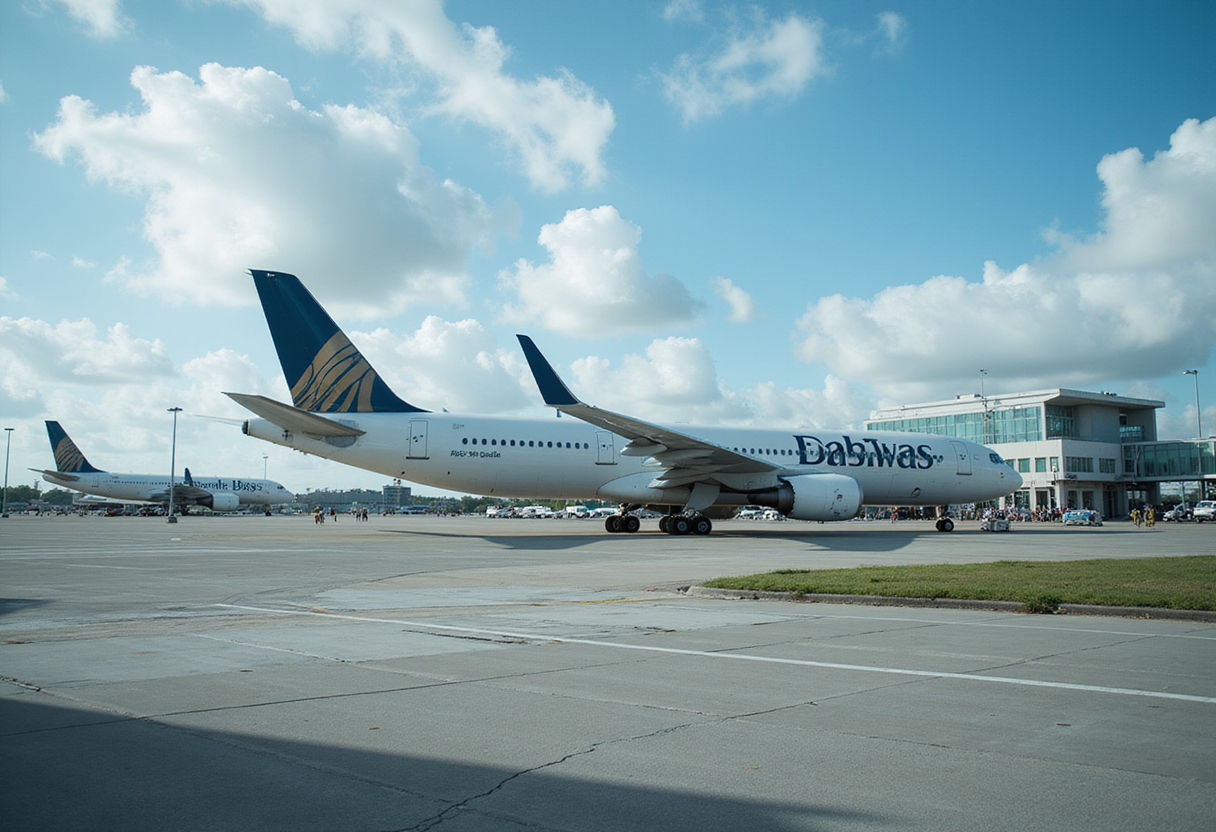
Two companies have submitted bids for the first stage of an airport expansion project in the British Virgin Islands, according to Caribbean National Weekly.
The publication identified the tender activity but the available reporting does not name either bidder, disclose the estimated contract value, or specify a construction commencement date. Coverage is limited to confirmation that two bids have been lodged for phase-one expansion works.
The first-phase designation carries structural significance in airport procurement. Phase-one contracts typically cover enabling infrastructure rather than full terminal or runway construction, setting the groundwork that subsequent phases build upon. Enabling works generally include site clearance, utilities relocation, sub-base preparation, drainage installation, access roads, and apron or taxiway extensions. Without access to the published tender documents, the precise scope of the BVI contract cannot be confirmed from the available source.
Why does a two-bid outcome matter?
Two competing submissions is a narrow field for a phase-one airport contract. Procurement norms in Caribbean public works typically generate three to six submissions, depending on contract size and prequalification filters. A two-bid outcome can reflect a high prequalification bar that deterred casual entrants, a scope that attracted only specialist contractors, or commercial reasons that led other potential bidders to decline. The territory's procurement authority has not, on the available record, issued commentary on bid responsiveness or evaluation methodology.
A narrow bidder field does not necessarily weaken competition. Specialist airport contractors with appropriate bonding capacity, equipment, and Caribbean regional experience are limited in number, and prequalification can usefully filter out firms that would otherwise consume evaluation time. The procurement authority's evaluation of price, technical scoring, and local content will determine whether the two bids produced a competitive award or require a re-tender.
What regulatory framework governs the award?
Airport construction contracts in British Overseas Territories are typically administered through the territorial government's procurement framework, with oversight from the airport authority responsible for the asset. Contract award notices, including the names of successful and unsuccessful bidders, are normally published once evaluation concludes. Award timing varies with project complexity, but phase-one airport contracts typically move from bid submission to award within 60 to 120 days where no clarification or re-tender is required.
For projects with significant capital value, additional layers of oversight may apply, including central government approval or external financing conditions where multilateral lenders are involved. The source does not indicate whether the BVI expansion draws on private, public, or development-finance funding.
What does the expansion programme address?
Caribbean island airports have historically faced capacity ceilings tied to terminal footprint, runway length, and apron parking. Expansion programmes typically address one or more of these constraints to enable larger aircraft operations, additional frequencies, or both. The BVI project, according to the headline, is structured in multiple phases — indicating the authority expects the works to extend beyond a single construction season and to be procured as a sequenced programme rather than a single lump-sum contract.
Multi-phase procurement allows the authority to refine scope based on phase-one delivery experience, traffic growth data, and updated cost benchmarks before committing to later phases. It also spreads capital expenditure across multiple budget cycles, an important consideration for small-territory fiscal planning.
What is not yet known?
Neither bidder has been publicly identified. The contract value, the precise scope of works, the procurement method, the funding source, and the construction commencement date are all absent from the available reporting. Award criteria and weighting have likewise not been disclosed.
What to watch
The next reporting milestone is likely a contract award notice from the BVI Airports Authority or the central procurement body. That notice should identify the successful bidder, disclose the contract value, and confirm the construction commencement window. Subsequent milestones include the start of physical works, completion of phase one, and the launch of any subsequent procurement for phases two and beyond.
Caribbean National Weekly did not publish a follow-up announcement naming the bidders or signalling an award date in the reporting available. Further detail — including bidder identities, bid values, evaluation timelines, and contract award — is expected to emerge when the procuring authority publishes its contract award notice.
via Google News: Airport expansion (Source)
More from Grace Kim
Show full bio
News editor covering consumer brands and retail at Flightdeck Report.
350 articles
Same bay
- FDR155Contractors Submit Bids for First Phase of British Virgin Islands Airport Expansion · October 10, 2026
- FDR125BVI receives bids for first phase of airport expansion · October 10, 2026
- FDR773Two Bids Land for First Phase of Beef Island Runway Extension · October 2, 2026
- FDR512Austin-Bergstrom $1bn+ expansion lands on Construction Review outlook · October 10, 2026
- FDR796Albany airport expansion should have cost $180 million, contractor alleges · September 30, 2026