Clearance CLR-5764 · SAF421
SAFUNI
Safety & OperationsClearance sheet
United 787-9 Diverts to Athens After Burning Smell Reported in Cabin
United's UA168 diverted to Athens after a burning smell appeared in the 787-9's cabin, as the FAA readies a 2026 airworthiness directive on the type.
Read-back
- United flight UA168 diverted to Athens after a reported burning smell and signs of smoke in the cabin
- The Boeing 787-9 departed Tel Aviv at 10:41 p.m. UTC bound for Newark
- United operates 59 787-9s across 79 routes
- An FAA airworthiness directive dated 7 December 2026 will address unsafe conditions, including fuel tank spark risk
- Over 30 flights have been disrupted by bomb threats across Europe in the past week
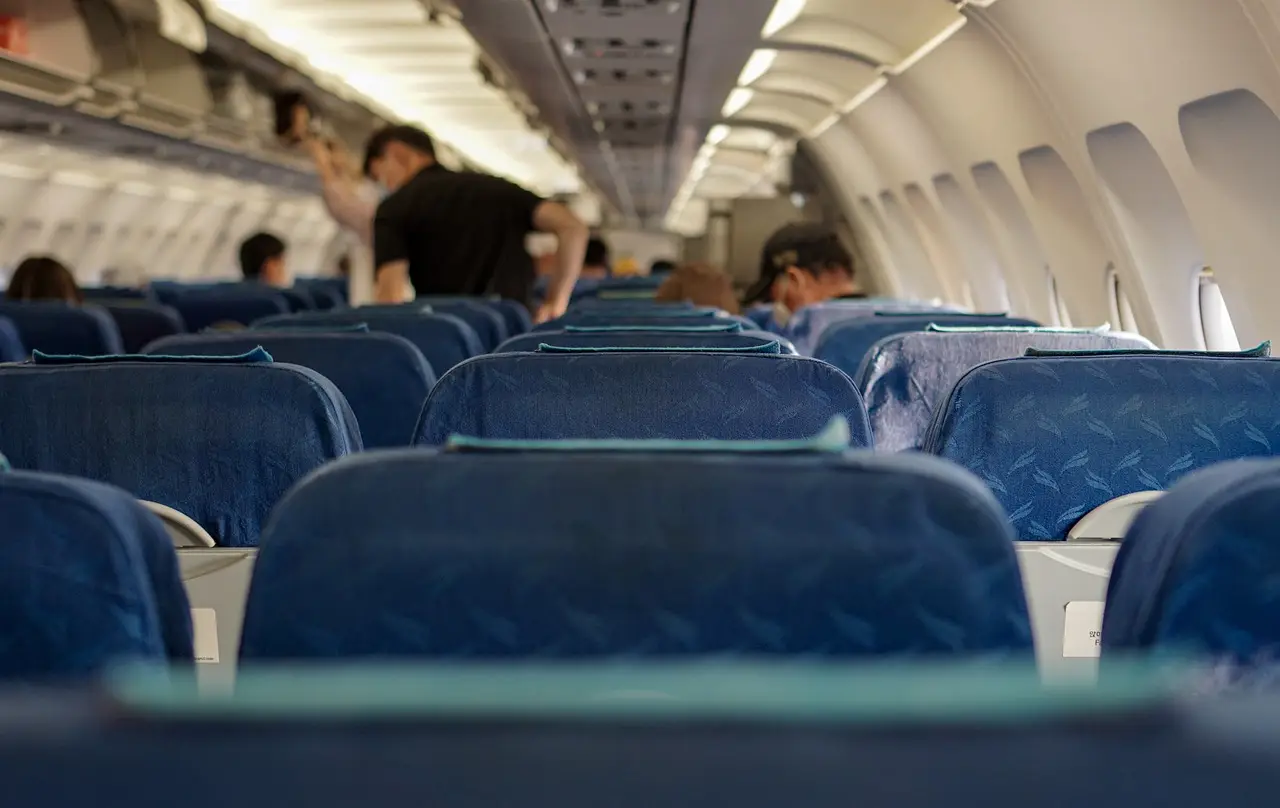
United Airlines flight UA168 from Tel Aviv to Newark diverted to Athens on 15 February after crew and passengers reported a burning smell and signs of smoke in the cabin — a symptom that pointed to possible electrical trouble on a Boeing 787-9.
The aircraft departed Tel Aviv at 10:41 p.m. UTC, tracking toward Newark Liberty International Airport, one of United's principal hubs serving the New York market. Somewhere over the Mediterranean, the situation changed. Tracking data from FlightRadar24 shows the widebody circling mid-flight before it turned northwest and landed at Athens International Airport.
A burning smell in the cabin is rarely trivial. On a composite-intensive aircraft like the 787-9, it typically forces a diversion regardless of what inspectors later find, because the alternative — continuing a long overwater leg with a possible electrical fault — is not a call a crew makes lightly. Athens gave UA168 the nearest suitable runway for the aircraft's weight and the medical and maintenance cover a precautionary landing demands.
What aircraft was involved?
The airframe is a Boeing 787-9 Dreamliner, the stretched, twin-engine, mid-size widebody that anchors long-haul fleets worldwide. It first flew on 17 September 2013 and entered service in 2014. United is among the type's largest operators, flying 59 of them across 79 routes.
That fleet number matters for what comes next. A single diversion is a disruption; a fleet-wide inspection regime is a cost and scheduling question.
What is the FAA doing?
The FAA is already investigating the 787-9 and the wider Dreamliner fleet. A series of inspections is underway, anchored by an airworthiness directive dated 7 December 2026 that will determine which features of the aircraft are in an unsafe condition.
The regulator has flagged one specific vulnerability: the Boeing 787-9's fuel tank and its sealant. Inspections must be reviewed and repairs carried out, the FAA said, because of a potential spark risk during lightning weather events. For an aircraft whose selling point is long overwater routes through convective weather, that is not a marginal concern.
No link has been established between the fuel-tank directive and the smell aboard UA168. But two electrical-adjacent safety questions hanging over the same type within the same regulatory cycle will keep pressure on both Boeing and its operators.
Is this part of a wider pattern?
The diversion did not happen in isolation. It followed a week of bomb threats against commercial aviation in Europe:
- Aer Lingus, Finnair and Ryanair all reported threats
- Fighter jets escorted airliners during one incident last week
- Multiple threats targeted airports in Denmark, the Netherlands, Spain, Italy, Romania, Ireland and the UK
More than 30 flights have been affected so far, with passengers' journeys disrupted by diversions.
London Heathrow addressed the threat it received directly. "There are robust UK aviation security standards in place to assess and safely manage these types of situations," the airport said.
For network planners, the arithmetic is straightforward: diversions cost fuel, slots and crew time, and 30-plus disrupted flights in a week plus an unplanned 787 stop in Athens is a reminder of how quickly the safety margin and the schedule margin converge.
The FAA's inspection findings, due with the December 2026 airworthiness directive, will determine whether the Dreamliner's operators face anything heavier than routine sealant repairs — or a fleet-wide maintenance burden measured in grounded airframes.
via travelradar.aero (Source)
More from Nathan Brooks
Show full bio
Correspondent covering technology and product news in Commercial aviation industry coverage at Flightdeck Report.
621 articles
Same bay
- FDR497United 787-9 diverts to Athens after cabin fumes over Aegean · November 9, 2026
- FDR812United 737 MAX 9 Squawks 7500 After Cockpit Breach Attempt · November 10, 2026
- FDR726Bomb Threat Clears Delta A330neo at Tel Aviv; Inspection Finds Nothing · October 13, 2026
- FDR232Singapore Airlines A350 Diverts to Rockhampton After Cabin Smoke · November 11, 2026
- FDR395BA 777 returns to Heathrow after 27,000-foot emergency descent · October 9, 2026