Clearance CLR-2466 · SUS859
SUSUSD
SustainabilityClearance sheet
US Department of Energy pushes Sustainable Aviation Fuel initiative
The US Department of Energy is driving a Sustainable Aviation Fuel initiative, putting federal program weight behind jet fuel decarbonization and SAF supply scaling.
Read-back
- The US Department of Energy is running a Sustainable Aviation Fuel initiative
- SAF is a drop-in fuel compatible with existing aircraft and engines
- The initiative targets the supply side of aviation decarbonization
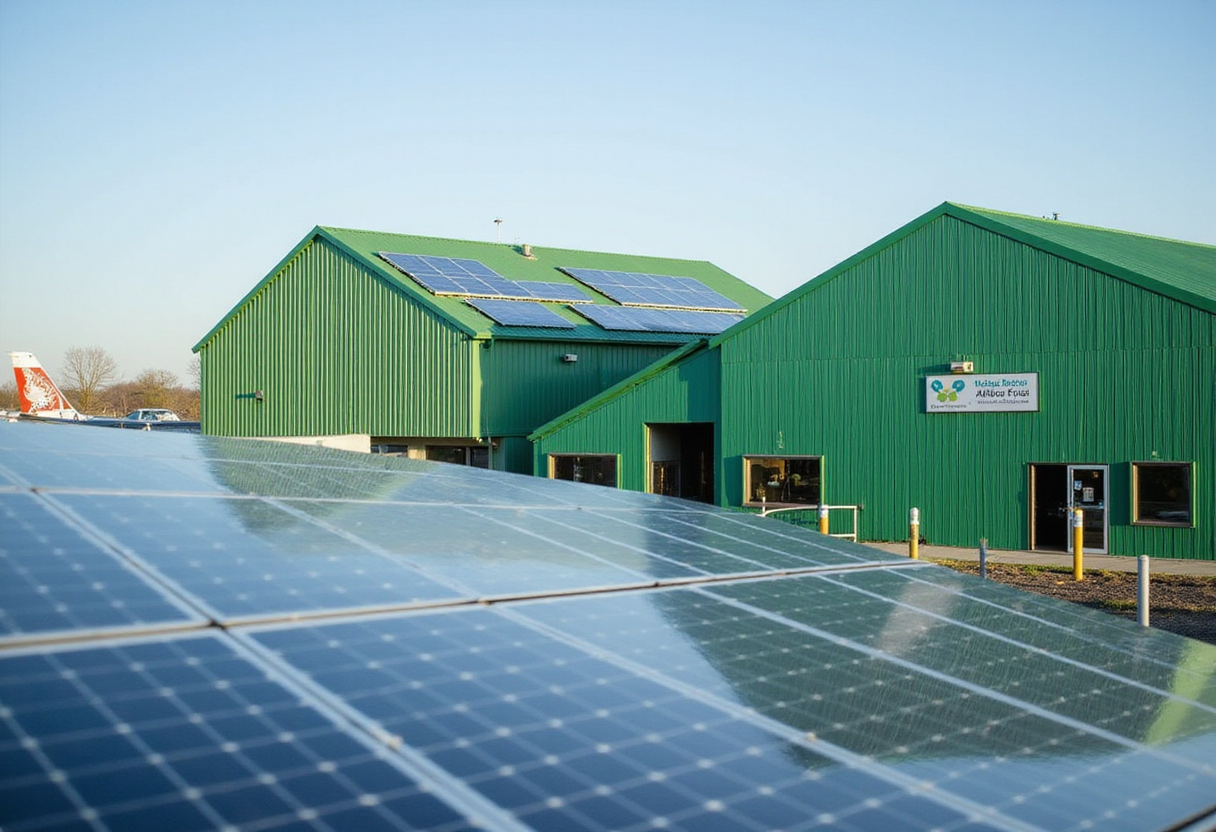
The US Department of Energy is backing a Sustainable Aviation Fuel initiative, adding federal weight to the effort to decarbonize jet fuel supply across the country's airline network.
The initiative, published through the Department of Energy's official government channels, centers on accelerating the development and deployment of SAF — drop-in fuel that can replace conventional Jet A without airframe or engine modification.
What is the initiative about?
SAF remains the industry's most credible near-term lever for cutting lifecycle emissions from flight. Airlines and OEMs have repeatedly framed fuel as the dominant share of aviation's carbon output, which places energy policy — not aircraft technology — on the critical path for the next two decades of decarbonization.
A Department of Energy initiative signals that the supply side of that equation now has direct federal program support, rather than relying solely on airline offtake announcements and state-level mandates.
For operators, the practical questions are supply volume, price premium and certification pathway. Each of those determines whether SAF commitments translate into dispensed gallons or remain portfolio statements.
Why does it matter for airlines?
Fuel is the largest single operating cost for most carriers. Any federal initiative that expands domestic SAF production capacity bears directly on:
- Cost exposure to conventional jet fuel price volatility
- Ability to meet publicly stated SAF blending targets
- Access to incentive structures tied to fuel sourcing
- Network planning under corporate-customer emissions requirements
The Department of Energy's involvement matters because SAF scaling is fundamentally an industrial and chemical-engineering problem — production plants, feedstock logistics and refining throughput — rather than an aviation operations problem.
The certification context
SAF is approved for use as a drop-in blend with conventional jet fuel under existing specifications, meaning aircraft and engines currently flying can consume it without modification. That separation — certified, flying fuel versus promised production volumes — is the central tension in every SAF announcement.
The Department of Energy initiative sits squarely on the supply side of that divide. Its success will be measurable not in policy documents but in gallons produced, blended and uplifted at US airports.
What comes next
Watch for concrete output metrics from the initiative — production targets, facility commitments and feedstock pathways — as the indicators of whether federal support converts into fuel that airlines can actually purchase at scale.
via Google News: Sustainable aviation fuel (Source)
More from Priya Raman
Same bay
- FDR171Geopolitical Risk Strengthens the Case for Sustainable Aviation Fuel · September 30, 2026
- FDR578Sustainable Aviation Fuel Remains Scarce and Costly · October 2, 2026
- FDR623SAF Pledge Meets Supply Reality as Energy Crisis Bites, WSJ Reports · October 10, 2026
- FDR618European SAF Supply Reaches 2.8% of Aviation Fuel · September 30, 2026
- FDR841JDSupra Publishes Analysis on Sustainable Aviation Fuel Outlook · October 2, 2026