Clearance CLR-2207 · AIR722
AIRUSI
Airspace & RegulationClearance sheet
US Imposes Drone Flight Restrictions Along Southern Border
The FAA has introduced temporary flight restrictions on drone operations along the US southern border, placing commercial UAS missions inside a permissions-based corridor.
Read-back
- The US has introduced TFRs restricting drone flights along the southern border
- TFRs are short-term FAA airspace closures with defined expiry, subject to renewal
- Commercial Part 107 operators inside the zone now require explicit authorization
- Precise boundaries and expiry dates are published in FAA notices to air missions
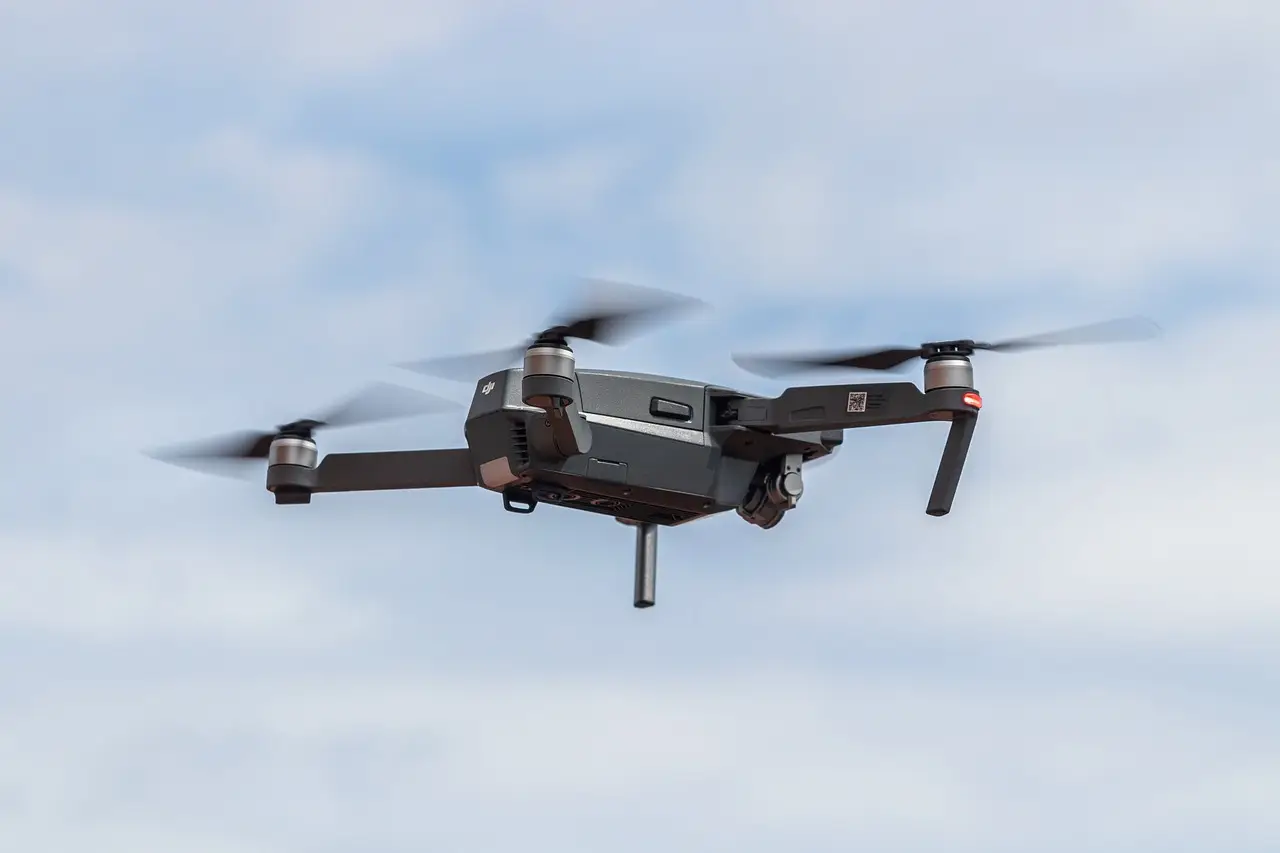
The United States has introduced temporary flight restrictions (TFRs, short-term airspace closures issued by the Federal Aviation Administration) covering drone operations along the southern border. The measure places unmanned aircraft system (UAS) operators — from agricultural survey firms to infrastructure inspection companies — inside a restricted zone where routine flights now require explicit authorization or are barred outright for the restriction's duration.
The FAA uses TFRs as its standard instrument for closing airspace over security events, disaster zones and, in this case, a border corridor of continuing federal concern. Unlike permanent restricted areas established through rulemaking, a TFR takes effect by notice and carries a defined expiry, though agencies routinely renew them. For drone operators, the practical consequence is immediate: flights inside the designated area without coordination are subject to enforcement action.
What does this change for UAS operators?
For commercial operators, the change converts a working corridor into a permissions-based environment. Border-adjacent states host a substantial base of Part 107 (the FAA's commercial small-drone rule) activity, including aerial survey, precision agriculture, real-estate photography and utility inspection. Each of those missions inside a TFR boundary now requires coordination through the FAA's authorization process rather than routine notice under standard rules. Operators who fail to check active restrictions before launch face certificate action and potential civil penalties.
The restriction also carries consequences for the government's own unmanned fleets. Customs and Border Protection and other federal agencies fly UAS missions along the southern border for surveillance. A TFR structure formalizes separation between those government flights and civilian traffic, reducing the risk of mid-air conflicts in a corridor where low-altitude aircraft already operate in close proximity.
A hardening regulatory posture
The move fits a broader pattern of tightened drone regulation in the United States. Lawmakers and agencies have spent the past several years weighing restrictions on foreign-manufactured drones, expanded counter-UAS authority for federal agencies and new remote identification requirements (remote ID, a broadcast system identifying drones and their control stations to observers). Border airspace has featured repeatedly in those debates, and restrictions there tend to function as precedent for measures elsewhere.
What remains undefined in the announcement is the precise geographic scope and the expiry date of the restrictions. TFR details — the lateral boundaries, altitude ceilings and activation windows — are published in FAA notices to air missions, and operators must consult those notices for the controlling language. Until the FAA publishes the full text, the operational impact on any individual business cannot be calculated precisely.
The FAA's own enforcement record suggests compliance costs are real rather than theoretical. The agency has pursued civil penalties against drone operators who entered restricted airspace without authorization, and border-zone violations draw particular scrutiny given the security context. Operators with recurring missions along the border will need to build restriction checks into pre-flight planning as a standing requirement, not a one-off.
Capacity and cost consequences
For the UAS service market, the restrictions impose a measurable friction cost. Missions that were schedulable on short notice now depend on authorization timelines. Agricultural and inspection operators working on seasonal cycles face the prospect of delayed flights with direct revenue consequences. Operators holding waivers for advanced operations retain them, but a TFR overrides routine authority inside its boundary.
For manufacturers and service providers selling into the US market, the restriction adds another layer of state-by-state, zone-by-zone complexity to flight planning software. Platforms that do not integrate live TFR data risk directing customers into restricted airspace — a liability question the industry has already faced in litigation and regulatory proceedings.
What is certain is that the southern border is now the most actively restricted drone environment in the United States outside temporary security events. Operators should expect the FAA to renew or expand the restrictions as federal border-security activity continues, and to treat authorization workflow as a permanent cost of doing business in the region.
Priya Raman
via Google News: Air traffic control and airspace (Source)
More from Priya Raman
Show full bio
Market editor covering money, funding and market shifts around Commercial aviation industry coverage at Flightdeck Report.
544 articles
Same bay
- FDR116FAA Streamlines Clearance for Police Drones Near Airports · October 11, 2026
- FDR450Trump Drone Plan Needs FAA Review, Lawmaker Says · September 27, 2026
- FDR583DOT, DoW and DHS Coordinate on Southern Border Airspace · October 16, 2026
- FDR942NORAD to Enforce Temporary Flight Restrictions Over Multiple US Areas · September 30, 2026
- FDR662Three US Agencies Team Up on Southern Border Airspace · October 16, 2026