Clearance CLR-6539 · AIR248
AIRUSL
Airspace & RegulationClearance sheet
US Lawmakers Agree Bipartisan ADS-B In Mandate With 2031 Deadline
Bipartisan deal announced 17 November 2026 mandates ADS-B In by 31 December 2031, after NTSB simulation showed 59 seconds of warning was possible.
Read-back
- Lawmakers announced a bipartisan ADS-B In mandate agreement on 17 November 2026
- The 29 January 2025 Potomac River collision killed all 67 people aboard both aircraft
- NTSB simulation showed ADS-B alerting would have given the airliner crew 59 seconds of warning
- Industry has until 31 December 2031 to complete fitment under the Senate ROTOR Act deadline
- Military aircraft requirements remain unresolved in negotiations with the Armed Services Committees
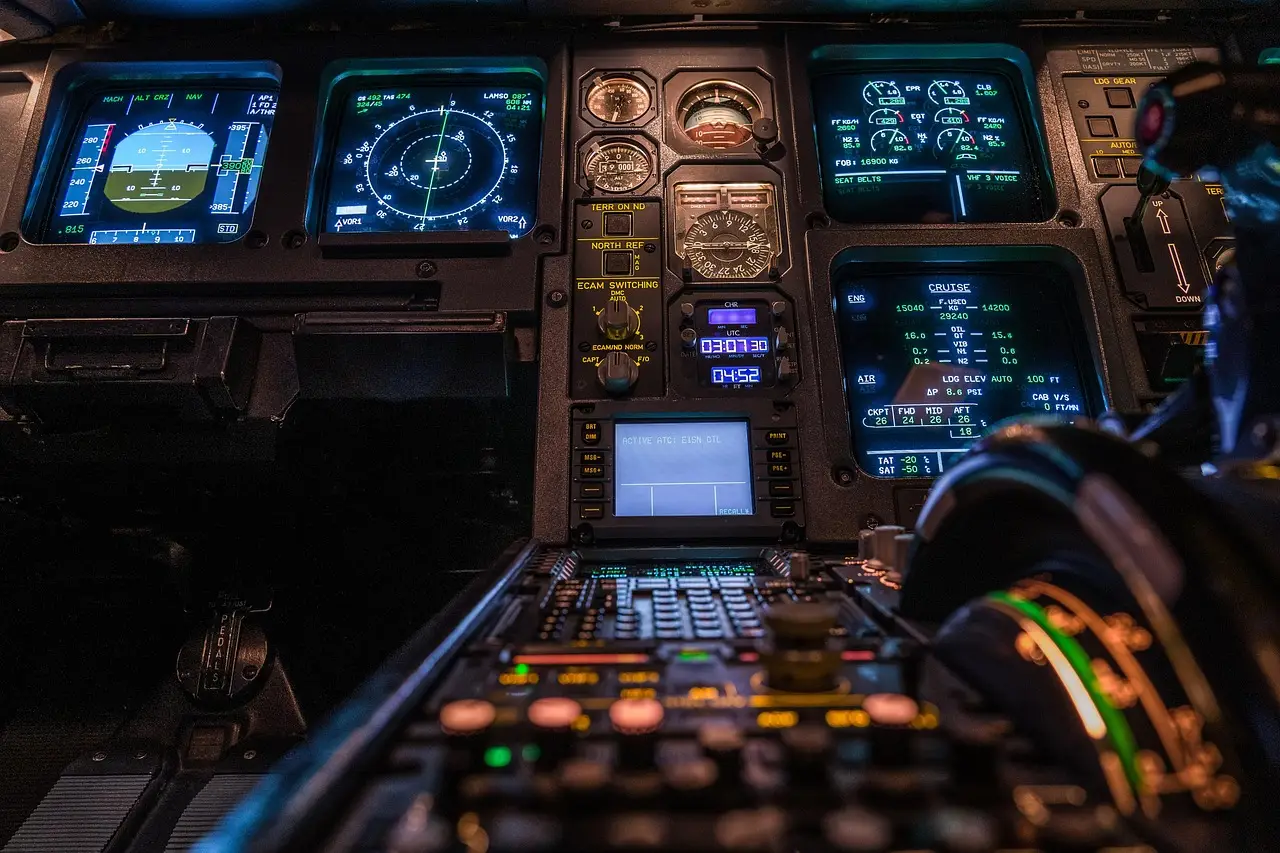
US lawmakers announced a bipartisan agreement on 17 November 2026 to mandate ADS-B In (the cockpit capability to receive traffic broadcasts from nearby aircraft), nearly two years after a mid-air collision over the Potomac River killed all 67 people aboard both aircraft involved.
The collision occurred on 29 January 2025 near Ronald Reagan Washington National Airport (DCA). It involved an airliner and a US Army UH-60 Black Hawk helicopter operating in the approach corridor, and it has driven the most significant push for new US airspace technology legislation in years.
What does the agreement cover?
Under the deal, any aircraft already obliged to carry ADS-B Out — the broadcast capability the FAA mandates across much of US controlled airspace — would also be required to carry ADS-B In. The FAA has never required the complementary receiving capability that lets a crew act on the traffic data available to them. This agreement closes that gap.
The requirement would extend across commercial, business and general aviation aircraft, as both AeroTime and Aviation24.be confirm. Aircraft without an existing ADS-B Out obligation, including vintage light planes and hot-air balloons, would be exempt.
Operators of aircraft below 12,500 lb maximum take-off weight flying under Part 91 (the federal regulation governing non-commercial operations) would be permitted to meet the requirement through affordable options such as portable receivers. That provision is intended to reduce the financial burden on smaller operators.
Who announced the deal, and under which bills?
Senate Commerce Committee Chairman Ted Cruz, Ranking Member Maria Cantwell and leaders of the House Transportation and Infrastructure Committee announced the agreement jointly on 17 November, Aviation24.be reports. The Capitol Hill gathering at which it was unveiled had been organised by families of those who died in the collision, as AeroTime notes.
The agreed framework draws on two separate pieces of legislation: the Senate ROTOR Act and the House ALERT Act. Both chambers had advanced their own safety bills, and legislators are now working towards a single unified text.
The industry would have until 31 December 2031 — the deadline set out in the Senate ROTOR Act — to complete the necessary equipment fitment. That leaves roughly five years for compliance, avoiding an overnight-retrofit burden across the affected fleet.
What did the NTSB simulation find?
The technical case for the mandate rests on NTSB analysis. The board conducted a simulation of ADS-B-based alerting to assess whether events on 29 January 2025 could have unfolded differently.
Both AeroTime and Aviation24.be report that the simulation concluded such a system would have given the airliner crew an initial alert 59 seconds before impact, followed by a second alert at the 35-second mark. That finding gave lawmakers a concrete data point anchoring the case for mandating the technology across the civil fleet.
What remains unresolved for military aircraft?
One significant gap remains open. Both outlets report that requirements for military aircraft are still unresolved, with negotiations ongoing involving the Armed Services Committees. The civilian side of the mandate is settled in principle; how the rules apply to military operations in and around busy civil airspace is yet to be determined.
That question carries direct weight in this case. The Potomac collision involved a military helicopter flying the approach corridor to DCA. Any framework leaving military aircraft outside its scope will face scrutiny from safety advocates and from the victims' families who organised the Capitol event at which the deal was announced.
What happens next?
The 17 November agreement moves the file from post-accident review to concrete legislative commitment. The NTSB simulation data gives the mandate a technical foundation, and the bipartisan structure of the announcement suggests the combined bill has a reasonable prospect of passage. The measure also fits a wider pattern of congressional and regulatory response to pressure from families, unions and safety bodies, following the FAA's air traffic controller pay deal reached in October 2026.
The legislative process still has stages to clear before the agreement in principle becomes law. Whether the military gap is closed — and whether the bill reaches the President's desk before the political moment passes — will determine whether the full lesson of the DCA collision is applied.
via theaviationhub.co.uk (Source)
More from Priya Raman
Show full bio
Market editor covering money, funding and market shifts around Commercial aviation industry coverage at Flightdeck Report.
662 articles
Same bay
- FDR115Congressional deal would mandate ADS-B In after Potomac collision · November 18, 2026
- FDR391Army Crash Probe Backs ADS-B Mandate, Pressing Congress · October 14, 2026
- FDR649House Passes Alert Act Mandating ADS-B In After DCA Midair Collision · September 30, 2026
- FDR627ALPA Pilots Press Congress to Mandate ADS-B In After PSA 5342 · September 30, 2026
- FDR991Reason Report Makes the Case for ADS-B In as a Safety Necessity · September 27, 2026