Clearance CLR-6878 · AIR717
AIRWIZ
Airlines & NetworksClearance sheet
Wizz Air and Ryanair Circle Rival Slots as European Carriers Struggle
Wizz Air is in talks with European airports to pick up slots from distressed rivals, after a €198.2 million quarterly loss and airBaltic's Chapter 11 filing.
Read-back
- Wizz Air posted a €198.2 million quarterly net loss in August-reported results, versus a €38.4 million profit a year earlier.
- Wizz Air's fuel expenditure rose 39.4% to €610.5 million.
- airBaltic filed for Chapter 11 bankruptcy protection in September.
- Ryanair plans to double Baltic-region passenger numbers within five years.
- Owain Jones announced the slot negotiations at the World Aviation Festival in Lisbon on Sept. 23.
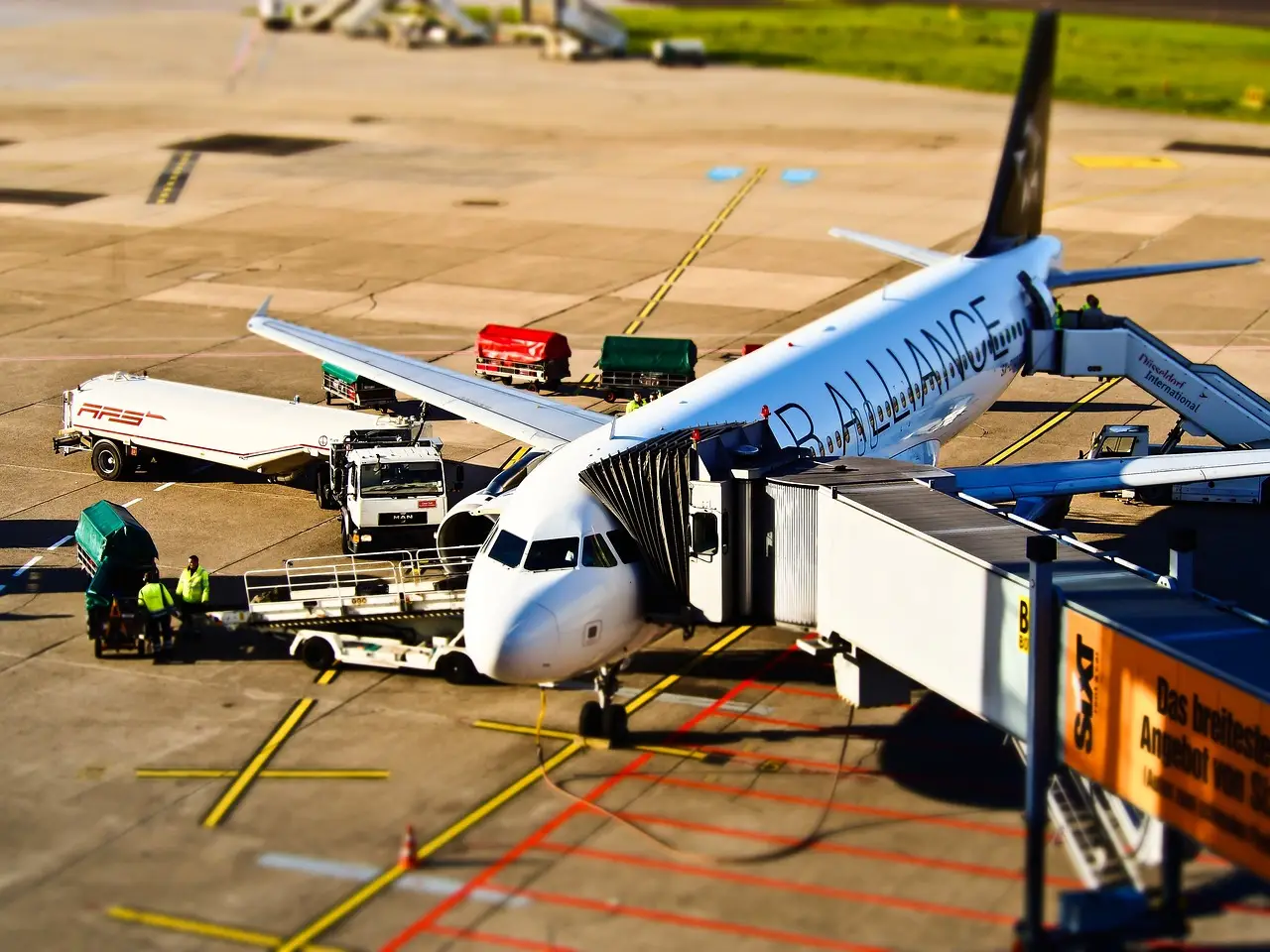
Wizz Air is negotiating with airports across Europe to take over slots from financially distressed carriers, Chief Corporate Officer Owain Jones told Reuters at the World Aviation Festival in Lisbon on Sept. 23. The Hungarian budget carrier is positioning itself to absorb capacity that failing rivals will release, mirroring a strategy Ryanair has already made public.
"We are always negotiating deals with airports. That's part of our business," Jones said. He dismissed any suggestion that Ryanair holds an exclusive claim on such deals: "He (Michael O'Leary) likes to think they're the only ones doing that."
His comments followed remarks by Ryanair CEO Michael O'Leary in September, who said he expected more rival carriers to collapse as jet fuel prices keep climbing.
What does the pressure on rivals change for the two carriers?
O'Leary framed higher fuel costs as an accelerant for consolidation in the European market. "I very much hope that jet (fuel) prices will rise faster into next year because that will accelerate the extent to which other airlines will fail…airlines who are currently loss-making will fail," he said. In his view, the shakeout will concentrate Europe into four large airlines: British Airways, Lethansa-group carrier Lufthansa, Air France and Ryanair.
Ryanair is already in talks with airports concerned that bankruptcies will cut capacity on their networks. For airports, a carrier failure means lost traffic and lost route coverage; slot reallocation to growing low-cost operators is one way to limit the damage.
The timing is concrete. Latvian carrier airBaltic filed for Chapter 11 bankruptcy protection in September, removing capacity from the Baltic market and prompting immediate competitive responses.
Where are the two airlines expanding?
Both carriers have moved to expand, with particular focus on Central and Eastern Europe.
- Wizz Air is targeting further growth in Italy and Spain. Jones reiterated that Central and Eastern Europe remains the airline's core market. The carrier has scaled back operations in the Middle East to concentrate resources on its European network.
- Ryanair has launched new routes in the Baltic region and plans to double its passenger numbers there over the next five years, a direct play for traffic released by airBaltic's restructuring.
The two low-cost groups are converging on the same opportunity: airports left with excess capacity and rivals unable to defend their slot portfolios.
How exposed is Wizz Air itself?
Wizz Air's opportunism comes against a weak financial backdrop of its own. Aviation Week reported in August that the airline recorded a quarterly net loss of €198.2 million, against a €38.4 million profit in the same period a year earlier. Fuel expenditure rose 39.4% to €610.5 million.
That swing from profit to near-€200 million loss in one year illustrates the scale of the fuel-cost squeeze across the sector. Wizz Air's expansion talks therefore depend on its ability to fund growth while absorbing energy costs that are grounding weaker competitors.
What does this change for European passengers and airports? If the negotiations succeed, slot transfers would shift capacity from distressed incumbents to two ultra-low-cost operators, likely lowering fares on affected routes while concentrating market power in fewer groups.
Whether the airport talks develop into new slot holdings remains to be seen. The outcome will depend on which carriers actually fail, how quickly fuel prices rise into next year, and how aggressively airports move to backfill capacity before traffic losses compound.
via travelradar.aero (Source)
More from Priya Raman
Show full bio
Market editor covering money, funding and market shifts around Commercial aviation industry coverage at Flightdeck Report.
598 articles
Same bay
- FDR386Ryanair Unveils First 29 Routes for Summer 2027 Schedule · October 10, 2026
- FDR887Ryanair's O'Leary sees 10-20% European fare rise as fuel costs bite · November 6, 2026
- FDR662Ryanair's O'Leary Calls for Groundings to Fix Air Traffic Control · September 26, 2026
- FDR242Ryanair adds six new routes from major UK base · September 27, 2026
- FDR119Ryanair's O'Leary warns jet fuel costs could stay high until 2028 · October 9, 2026