Clearance CLR-5738 · AIR563
AIRZIP
Airlines & NetworksClearance sheet
ZIPAIR sets March 2027 launch for Narita-Toronto nonstop service
ZIPAIR will launch nonstop Narita–Toronto flights on March 2, 2027, opening sales in November for departures through October. The announcement provides no aircraft, frequency or fare details.
Read-back
- ZIPAIR scheduled nonstop Narita–Pearson service for March 2, 2027.
- The airline announced the route and opened reservations at noon Japan time on November 12.
- Bookings were available for departures through October 30, 2027.
- The announcement names no aircraft type, operating frequency, fare range or regulatory milestone.
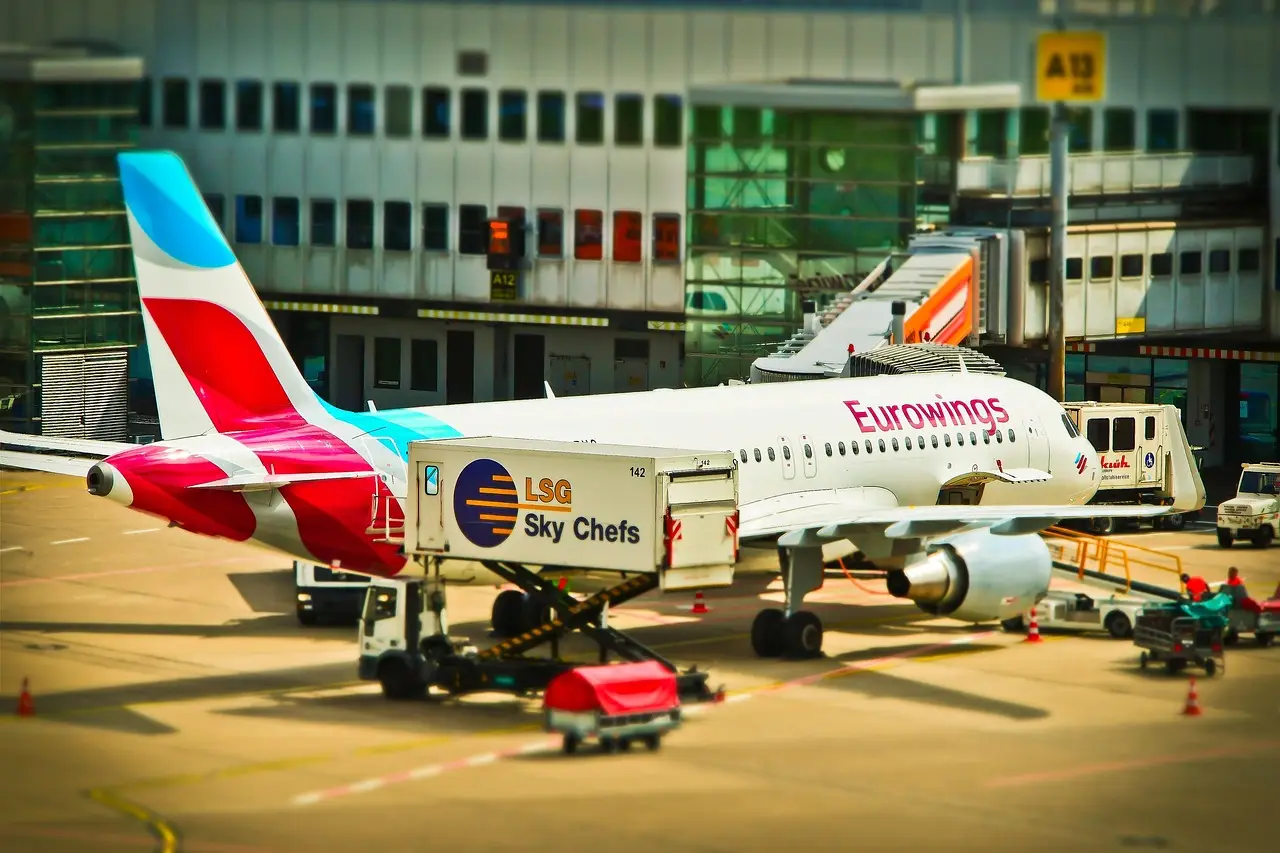
ZIPAIR will begin nonstop flights between Tokyo Narita Airport and Toronto Pearson International Airport on March 2, 2027, with bookings for departures available through October 30, 2027.
The Japanese airline announced the service on November 12 and opened reservations at noon Japan time that day. The route connects Japan with Toronto, Canada’s largest city, and adds another long-haul destination to ZIPAIR’s growing North American network. The bookable horizon extends nearly eight months beyond the inaugural flight.
A booking is not a flight. ZIPAIR’s announcement is explicit: “The new flights have been announced and are available for booking, but operations will not begin until March 2027.”
What has ZIPAIR actually confirmed?
The confirmed elements are the airport pair, the March 2 launch date and the November 12 sales opening. The announcement does not identify an aircraft, operating frequency, fare range or regulatory milestone. It names no aircraft manufacturer, lessor, maintenance provider or regulator.
Without those details, no one can calculate seat capacity or operating cost from the announcement. That matters for a new long-haul route, where frequency and aircraft determine much of the schedule and network economics.
The absence also narrows any claim of immediate impact. ZIPAIR has created bookable inventory ahead of operation; it has not yet shown an aircraft completing the inaugural sector or passengers boarding it.
Who is the route designed to serve?
ZIPAIR presents the route as another choice for holidaymakers, business travelers and people visiting eastern Canada. For Japanese visitors, Toronto is a major financial, business and cultural centre, with international attractions, professional sports and access to additional Canadian destinations.
The route also extends beyond the city limits. Niagara Falls and the wider Ontario region give Japanese travelers reasons to book Toronto as an entry point rather than as the entire trip.
For Canadian passengers, nonstop access to Tokyo opens onward travel through Japan’s rail and domestic aviation networks. From Narita, they can continue to Kyoto, Osaka and other Japanese regions, linking this service to a broader domestic distribution system.
That geography creates two demand pools rather than one: Japanese visitors using Toronto and Ontario, and Canadian visitors using Tokyo as a gateway. The announcement does not quantify either pool or publish a passenger forecast.
Will more competition produce lower fares?
The route gives travelers another nonstop option between Japan and Canada, alongside the scheduling and fare choices created by competition. The announcement alone does not establish that average ticket prices will fall, however, and it supplies no fare benchmarks with which to test that proposition.
ZIPAIR describes its long-haul model as value-focused, with additional services selected according to passenger preference. The practical distinction is that the initial ticket price may not represent the total cost of the journey.
Baggage, meals and seating options can add to the final booking price. Passengers comparing offers should therefore examine the complete cost of each itinerary rather than use the lowest headline fare as the sole measure.
Could demand outlast the summer?
Toronto is an important market for international students and for passengers visiting family. ZIPAIR says this mix could support demand beyond the traditional summer holiday season, making the route potentially useful across a broader part of the year.
That is a market argument, not a forecast. The announcement gives no seasonal frequency, load factor or expected daily passengers, so it cannot show whether the route will sustain year-round traffic at profitable levels.
The booking window provides a long runway for revenue collection, from the first departures on March 2, 2027 through October 30, 2027. Yet ticket availability alone says nothing about the occupancy, regularity or economics of the flights themselves.
What should passengers check now?
Travelers should consult ZIPAIR’s official booking system for current fares, operating days and the conditions attached to their chosen ticket. ZIPAIR announced the route and opened sales well before its March 2027 operation, so those checks remain relevant.
Until then, ZIPAIR has delivered a timetable promise and a sales channel, not an operating service. The next measurable checkpoint is the March 2, 2027 inaugural flight, when the announced schedule must be delivered by an aircraft in the air.
via rustourismnews.com (Source)
More from Grace Kim
Show full bio
News editor covering companies, deals and strategy in Commercial aviation industry coverage at Flightdeck Report.
595 articles
Same bay
- FDR723Lufthansa Group to lift Japan frequencies to 50 weekly flights in summer 2027 · October 9, 2026
- FDR386Ryanair Unveils First 29 Routes for Summer 2027 Schedule · October 10, 2026
- FDR86825 New Airline Routes Slated For Winter 2026/27 · October 13, 2026
- FDR635Ryanair Adds 22 New Routes to UK Winter 2026 Schedule · September 27, 2026
- FDR880Ryanair unveils first 29 routes for Summer 2027 schedule · October 10, 2026