Safety & OperationsClearance sheet
Zipline launches Uber Eats drone deliveries in Houston
Zipline and Uber launched drone delivery through Uber Eats in Houston on 17 November, targeting sub-10-minute service before Dallas and other US cities.
Read-back
- Houston service launched on 17 November through an option labelled “by drone” in the Uber Eats app.
- Deliveries are designed to reach customers in less than 10 minutes.
- Aircraft fly at about 330 feet, reach 70 mph, carry up to eight pounds and cover distances of up to 10 miles.
- Zipline claims its latest flight technology has reduced noise by 24% and shortened flight times by 53 seconds.
- Houston is first, Dallas is next, and Zipline says its Dallas-area operation has completed one million deliveries.
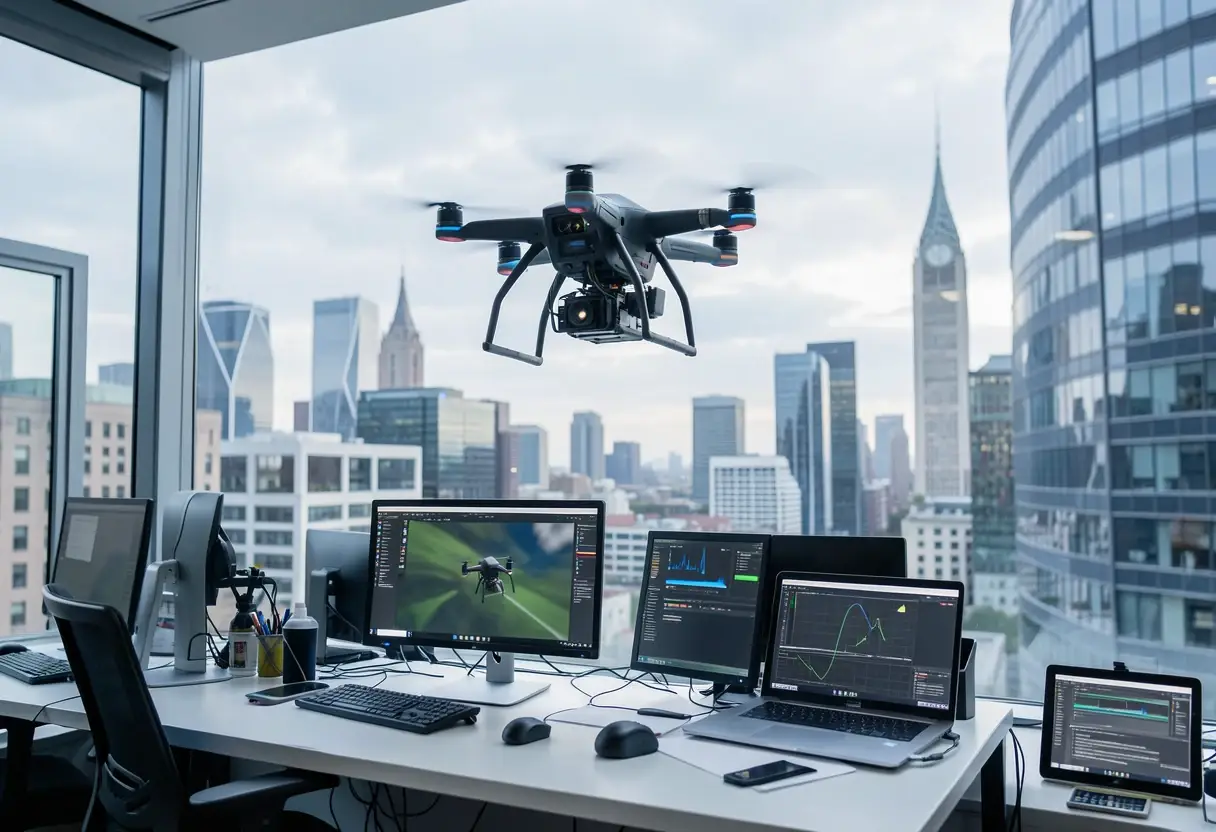
Zipline launched autonomous drone delivery for Uber Eats customers in Houston, Texas, on 17 November. Customers can now select a “by drone” option in the Uber Eats app, with Zipline and Uber designing deliveries to reach customers in less than 10 minutes.
Houston is the partnership’s first named launch market. Dallas is identified as the next market, and additional U.S. cities are planned for the coming years; neither is yet part of the Uber Eats service described in the announcement.
Zipline already operates in the Dallas metropolitan area, where the company says it has completed one million drone deliveries. Dallas is therefore the next Uber Eats market, while its operating record offers relevant experience for the partnership’s planned rollout.
How does the delivery system work?
Zipline’s autonomous aircraft (aircraft capable of flying without an onboard pilot) fly at approximately 330 feet above ground level. A delivery pod descends on a tether (a line used to lower cargo), allowing the aircraft to remain away from homes while the order reaches the customer.
The aircraft can fly at speeds of up to 70 mph, carry payloads (the package or cargo) of up to eight pounds and cover distances of up to 10 miles. Those figures define the stated operating envelope, meaning its maximum speed, package weight and distance per trip.
What performance claims need verification?
Zipline says its recent sound-optimised flight technology has reduced aircraft noise by 24% and shortened flight times by 53 seconds. The announcement provides no baseline noise level, measurement conditions or flight data from the Uber Eats operation, so the reductions remain manufacturer claims.
That distinction matters because shorter flights can affect how much of an operating day each aircraft can complete, while lower noise can influence acceptance of flights near populated areas. Neither result establishes hourly capacity or operating cost, and the announcement gives no fleet count or utilization rate (how intensively the aircraft are used).
The tethered release adds a ground-level step to each flight, so completion records must cover both the flight and the drop. The source supplies no figures for failed drops, weather-related cancellations or completed Houston orders.
What does this change for Houston customers?
For Houston customers, the practical change is an aircraft-based choice within the Uber Eats app. Zipline and Uber say deliveries are designed to take less than 10 minutes, but the announcement does not state launch pricing, delivery fees, service hours, city coverage, participating restaurants or operating limits.
The sub-10-minute figure is a target, not an observed Houston average reported in the source. The announcement also gives no basis for judging availability across meal periods or any change to the fees customers pay for an order.
What does the expansion require?
For Uber, the commercial stakes are whether the aircraft option can add order capacity without obscuring the cost of each completed delivery. For Zipline, they are whether Houston can reproduce the claimed flight-time and noise improvements at useful scale.
The announcement discloses no per-delivery cost, aircraft fleet size, daily throughput (completed deliveries per day), completion rate or incident record for Houston. It also names no regulator, operating certificate or regulatory approval pathway, leaving the compliance framework for the deployment unspecified.
Houston is the operating market in this launch; Dallas and the wider U.S. rollout remain planned. The next useful evidence will come from Houston delivery times, completed orders, operating costs and repeat use, because those figures will show whether the partnership can support a wider network.
via unmannedairspace.info (Source)
More from Sophie Lindqvist
Show full bio
Senior reporter covering people, launches and day-to-day practice in Commercial aviation industry coverage at Flightdeck Report.
724 articles
Same bay
- Wing commits $125 million to Fort Worth drone manufacturing plant · November 17, 2026
- Elroy Air secures five firm Chaparral orders from Barq Group · November 17, 2026
- North Texas's New Airport Opens Four Routes, First Flights in November · September 30, 2026
- CargoTech extends air cargo platform with AI, compliance tools · October 10, 2026
- Avelo Adds Denver and Three More Routes From McKinney · September 30, 2026