Finance & DealsClearance sheet
10% U.S. Tariff on Brazilian Aircraft Hits Embraer's Most-Flown Jet
A 10% U.S. tariff on Brazilian-built aircraft raises prices for new Embraer orders. CEO Francisco Gomes Neto says higher ticket prices and inflation could follow.
Read-back
- A 10% U.S. tariff on finished aircraft from Brazil was announced Wednesday, Nov. 25
- The Embraer E175 is the most-flown aircraft in the United States, with more than 40% U.S.-sourced content
- Neto said existing agreed orders and Embraer's 2026 production programme are unaffected
- Five U.S. airlines operate Embraer jets; Avelo has reportedly agreed to buy the E195-E2
- Trump said he persuaded Philippine Airlines to order 15 Boeing 787-10s instead of Airbus aircraft
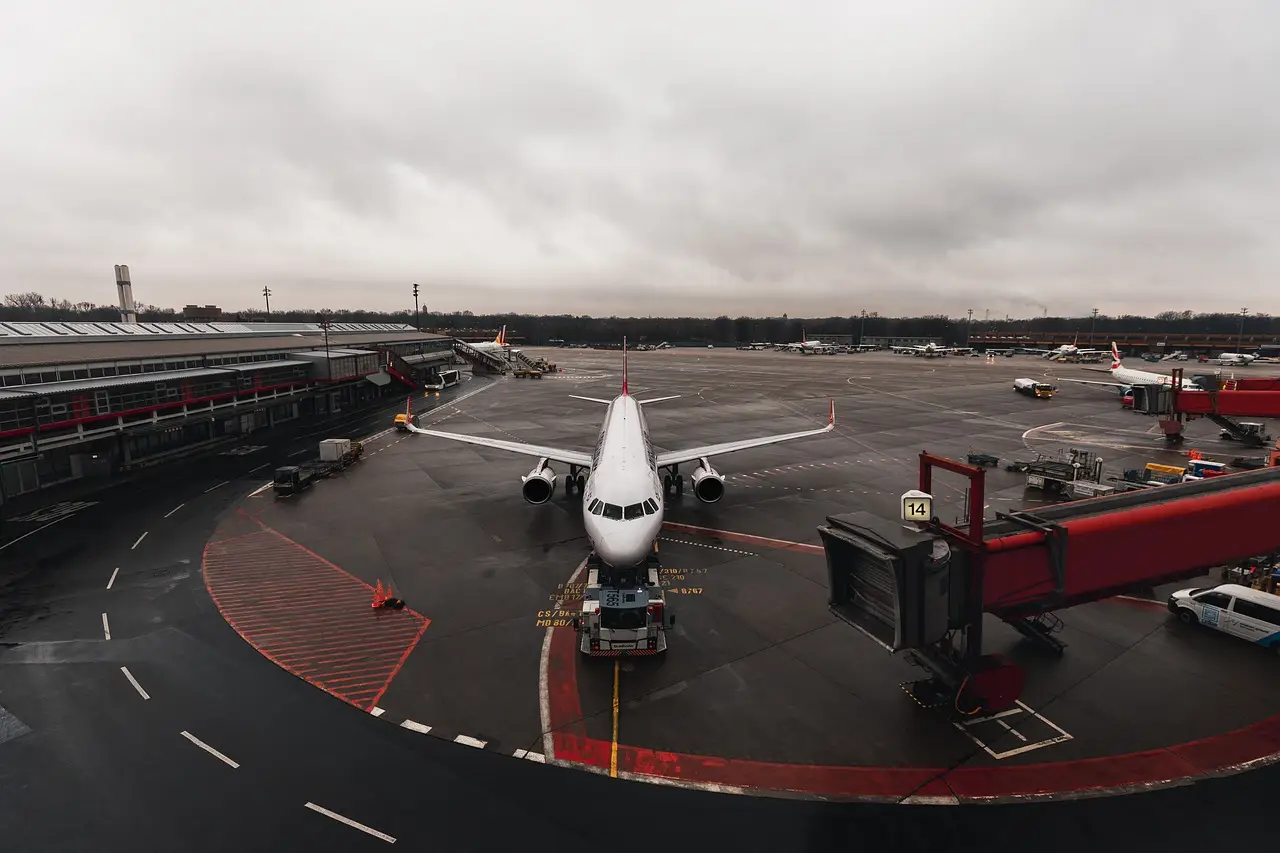
A 10% U.S. tariff on finished aircraft imported from Brazil will raise the price U.S. airlines pay for Embraer jets, the manufacturer's CEO Francisco Gomes Neto said on Wednesday, Nov. 25. The tariff targets the E175, the most-flown aircraft in the United States.
Embraer has built its U.S. franchise on that model. Five U.S.-based airlines currently operate Embraer jets, and the vast majority of those aircraft come from the E175 range. Low-cost carrier Avelo Airlines has also reportedly agreed to purchase the E195-E2.
The tariff is the latest in a series of decisions by President Donald Trump aimed at protecting Boeing's market share. He claimed on Nov. 10 that he had kept Philippine Airlines from "going to Europe" and persuaded the flag carrier to order 15 Boeing 787-10s instead. On Monday, Nov. 23, he said he had helped negotiate Boeing purchases by Chinese airlines: "I think they're going to do another 250, so I'm going to keep selling."
What does the tariff change for airlines?
Neto has moved to contain the damage. He reassured customers that the policy will not affect the price of already-agreed orders, nor alter Embraer's production programme for the remainder of 2026.
That protection covers existing contracts. It does not cover future orders, and it is future orders that carry the tariff's full 10% burden.
Neto also made an argument grounded in the supply chain. He said: "The Embraer E175 is currently the most-flown aircraft in the United States, and more than 40% of its content is sourced from the U.S."
That figure cuts against the framing of the tariff as a penalty on foreign manufacturing. Nearly half of the aircraft's value already flows to U.S. suppliers.
What does this mean for passengers?
Neto said: "Imposing a tariff on the E175 would penalise airlines by forcing them to pay more for the plane. That cost would likely be passed on through higher ticket prices and could even contribute to inflation."
The pass-through decision rests with each individual airline. No carrier has yet said how much of the additional cost it would recover through fares.
The claim of higher fares is plausible but unverified. Actual ticket-price effects depend on fleet plans, contract timing and each airline's competitive position. Neto's inflation warning is a projection, not a measurement.
Who bears the competitive cost?
Two parties absorb the damage. U.S. airlines that rely on Embraer lose cost competitiveness against carriers flying other types. Embraer itself loses ground in any attempt to expand its U.S. market presence.
The tariff applies to finished aircraft from Brazil. The E175's U.S. content does not exempt it. Airlines keep paying the premium on new orders regardless of where components originate.
Embraer's existing commitments shield near-term deliveries. The open question is whether U.S. carriers still place incremental E175 and E195-E2 orders once the 10% premium applies — and whether Washington adjusts a tariff that taxes the most-flown aircraft in its own national fleet.
via travelradar.aero (Source)
More from James Calloway
Show full bio
Staff writer covering people, launches and day-to-day practice in Commercial aviation industry coverage at Flightdeck Report.
737 articles
Same bay
- Embraer raises 2026 outlook as fourth-quarter deliveries loom · November 11, 2026
- Embraer wins back Portugália's 19 E-Jets into component pool support · October 15, 2026
- Embraer expands Envoy E-Jet heavy maintenance as US MRO demand grows · November 20, 2026
- Boeing Shares Rise on Expected China Aircraft Order · September 27, 2026
- Embraer backlog hits record $35.7 billion on E2 orders and defense surge · October 23, 2026