Finance & DealsClearance sheet
Norse Atlantic's Norwegian Unit Files for Bankruptcy After Lessors Seize Fleet
Norse Atlantic's Norwegian unit is bankrupt after lessors reclaimed all 12 aircraft. CEO Eivind Roald says the listed parent and UK arm still seek a way to keep operating.
Read-back
- Lessors terminated contracts on all 12 aircraft in Norse Atlantic's fleet and demanded handback.
- CEO Eivind Roald confirmed the Norwegian unit filed for bankruptcy; the listed ASA and UK subsidiary seek to continue.
- Project Falcon, launched in July, targeted £38 million in savings, cutting about 75 jobs and moving HQ to Latvia.
- Norse was founded in 2021 to replace Norwegian Air, bankrupt on 12 March 2021.
- The airline blamed exponentially high jet fuel costs caused by the US-Israel war on Iran.
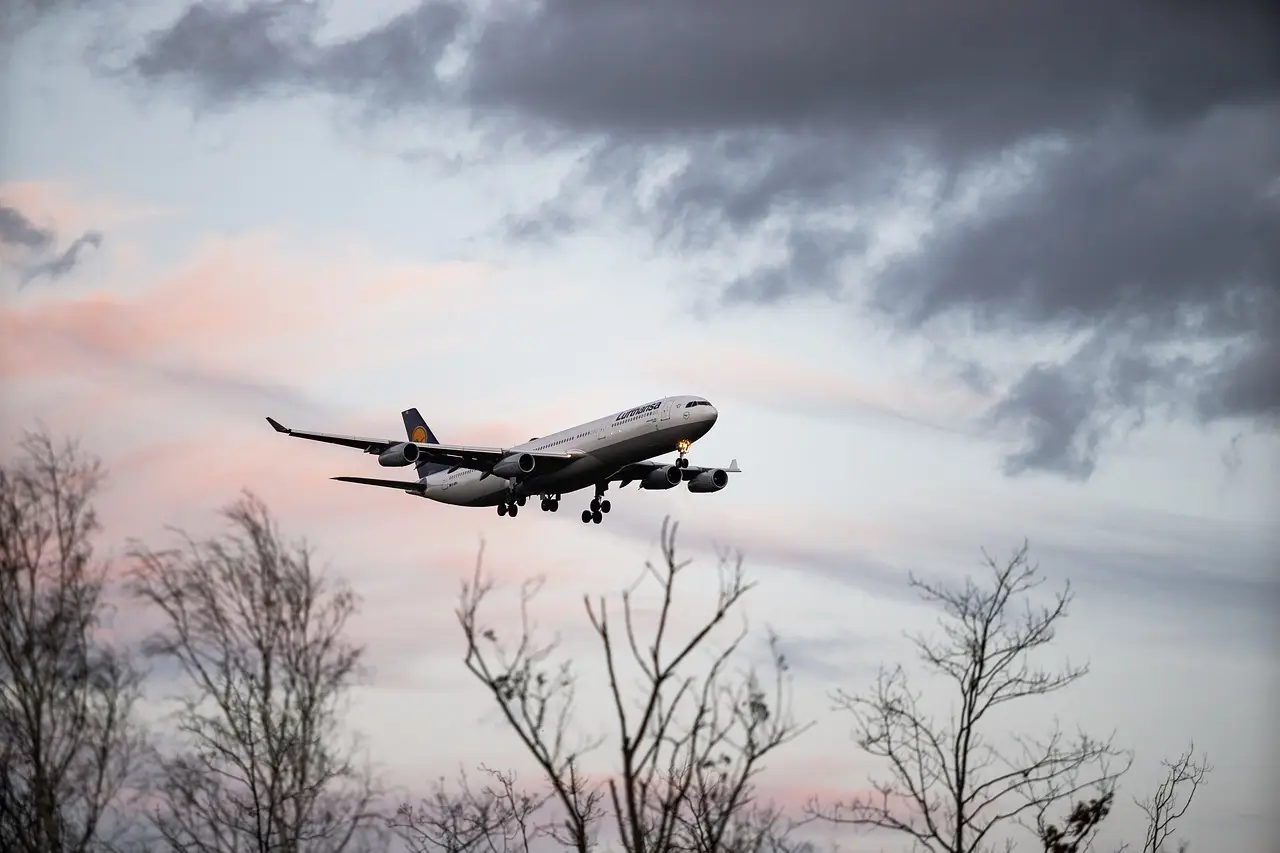
Norse Atlantic Airways' Norwegian operating unit has filed for bankruptcy after its lessors terminated the contracts on all 12 aircraft in the fleet and demanded their return. The failure follows a week in which the low-cost carrier first called its finances "critical," then suspended every flight, then ran out of options.
What happened, and how fast?
The collapse moved in three steps over four days. On Wednesday, the airline warned investors that its financial situation was "critical." On Thursday, it suspended all flights and told the Oslo Stock Exchange: "If a short-term financing solution is not secured urgently, it is the board's intention to file for bankruptcy." By Friday, the lessors had acted first — terminating leases on the entire 12-aircraft fleet and demanding handback.
Chief executive Eivind Roald did not soften the announcement. "The Board of Norse Atlantic Airways AS has made the difficult decision to file for bankruptcy despite extensive efforts from the company and the group to find a solution," he said.
Does any part of the airline survive?
Possibly, and that is the only remaining question. Roald added: "The board, management and advisers of the listed entity Norse Atlantic ASA and the UK subsidiary are working to find a solution for the remaining part of the business to continue operations."
In plain terms, the Norwegian operating company is gone; the listed parent and the UK arm are still looking for a way to keep flying. With zero aircraft under lease in the bankrupt unit, that search now depends on finding both money and metal. The first is scarce; the second just left.
Why did it fail?
Jet fuel, and a war. Norse, like carriers worldwide, was absorbing what it described as exponentially high fuel costs caused by the US-Israel war on Iran. For a low-cost long-haul operator, fuel is the largest single cost line; a sustained price spike of that scale leaves little margin for a young airline with no deep reserves.
The warning signs predate the war's fuel effect. In July this year, Norse said it was exploring a sale or merger and launched a cost-cutting programme, Project Falcon, targeting £38 million in savings. That is roughly 38 million reasons to move house, and the plan showed it: about 75 jobs cut and headquarters relocated from Norway to cheaper offices in Latvia.
The restructuring did not survive its own founder. Bjørn Tore, who founded the airline and served as its first chief executive, departed during the Project Falcon process. When the founder exits while the company is cutting a tenth of that magnitude, the market rarely reads it as confidence.
A familiar grave
Norse was founded in 2021 to fill the space left by Norwegian Air, which filed for bankruptcy on March 12, 2021, and had its restructuring plan approved on March 26, 2021. The successor has now repeated the predecessor's core mistake — long-haul low-cost at scale, thin capital, and exposure to fuel prices it cannot control. Two carriers, same model, same country, same outcome within four years. That is a pattern, not a coincidence.
The difference this time is the wider casualty list. The airline industry's own framing — "the latest casualty of soaring jet fuel costs" — signals that Norse may not be the last failure of this cycle. Carriers with stronger balance sheets will absorb the shock; marginal operators with repossessed fleets will not.
What happens next depends on Norse Atlantic ASA, the UK subsidiary, and whether any financier will back a long-haul low-cost operation in the current fuel market. On the evidence of this week, the lessors have already voted.
By Grace Kim
via travelradar.aero (Source)
More from Grace Kim
Show full bio
News editor covering companies, deals and strategy in Commercial aviation industry coverage at Flightdeck Report.
712 articles
Same bay
- Norse Atlantic Lost $94.6 Million in Six Months at 94% Loads · November 15, 2026
- Norse Atlantic capacity falls a third as carrier exits US transatlantic routes · October 9, 2026
- Four European Airlines Fall in Two Months as Jet Fuel Hits Records · November 20, 2026
- Ryanair Ownership Case Returns to Court as EU Share Count Sits at 30% · November 22, 2026
- Amazon Air Crash Revives Pilot Complaints Against 21 Air · September 29, 2026