Clearance CLR-9551 · AIR358
AIRAFR
Air CargoClearance sheet
African Airlines Post 3.0% Cargo Demand Growth in August
African airlines recorded a 3.0% rise in cargo demand in August, IATA data shows, signalling steady freight growth for the continent's carriers ahead of the peak season.
Read-back
- African airlines' cargo demand rose 3.0% in August, per IATA
- The figure signals steady rather than rebound-level growth for the region
- Capacity constraints at African hubs remain the key factor for converting demand into margin
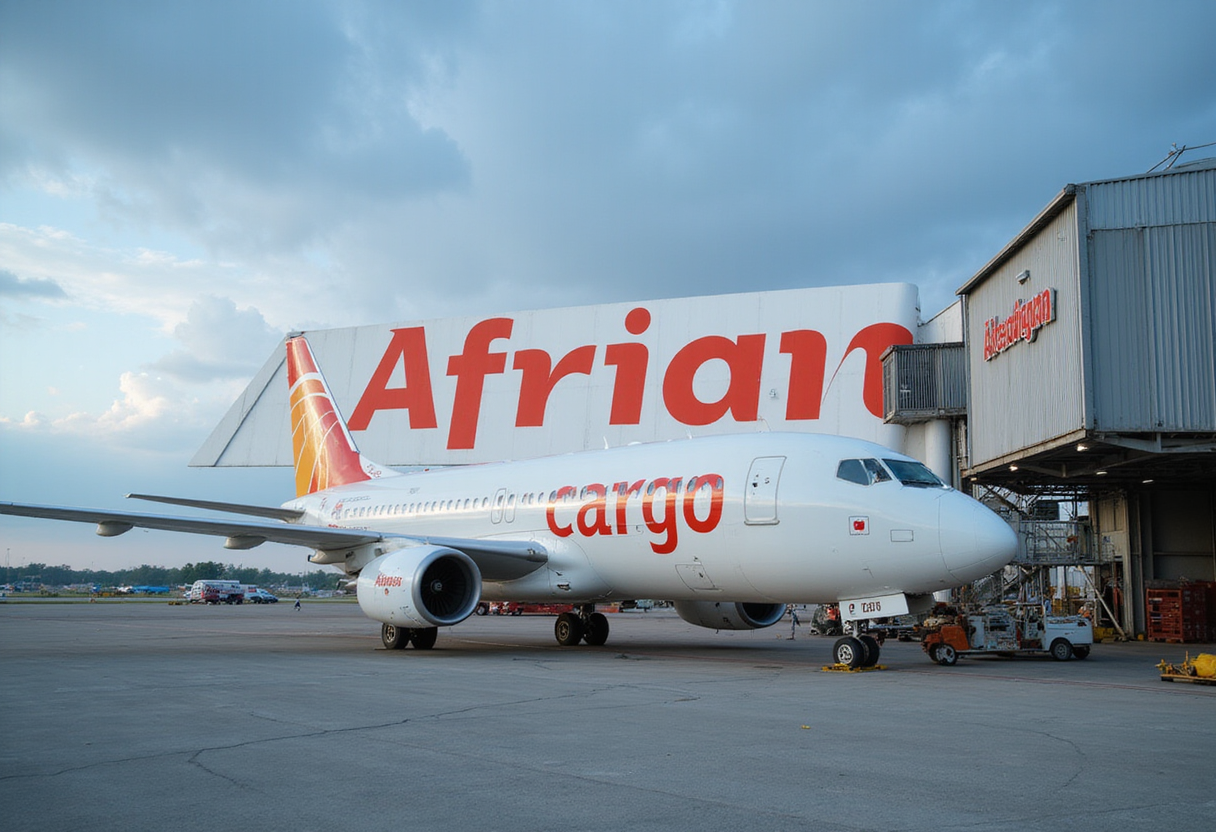
African carriers recorded a 3.0% increase in cargo demand in August, according to the latest figures from the International Air Transport Association (IATA).
The reading, published in the association's monthly air freight assessment, marks another month of expansion for a region where air cargo capacity has long been constrained by limited belly-hold space, sparse freighter operations and infrastructure bottlenecks at major hubs. A 3.0% year-on-year rise indicates that shippers across the continent moved more tonnage through African carriers in August than in the same month a year earlier.
IATA's regional cargo series tracks demand in freight tonne-kilometres, the standard measure of volume carried multiplied by distance flown. For African airlines, the August result places the continent among the regions reporting growth in a month when the global air cargo market continued its uneven recovery from the demand collapse of 2020 and the subsequent capacity realignment that followed the return of passenger widebody flying.
The drivers behind Africa's cargo performance are structural. The continent's exports — perishables such as flowers, fresh produce and fish from East and West African producers, along with mining output, textiles and pharmaceuticals — depend heavily on air freight where surface logistics are slow or unreliable. Nairobi, Addis Ababa, Lagos and Johannesburg function as the primary consolidation points, with Ethiopian Airlines operating the region's largest freighter fleet and the most developed intercontinental cargo network.
A 3.0% growth rate, while positive, is modest by the standards of the post-pandemic rebound, when pent-up demand and constrained capacity produced double-digit gains for many carriers and regions. The August figure suggests African airlines are settling into a steadier pattern of demand growth rather than the volatile swings that characterised 2021 through 2023.
For carriers, the growth carries direct revenue consequences. Cargo yields, while off their pandemic peaks, remain above 2019 levels on many routes, and incremental volume growth flows through to unit revenues at a time when African airlines continue to grapple with foreign exchange shortages, high fuel costs relative to global benchmarks, and aircraft financing costs. Every additional tonne-kilometre of demand absorbed without matching capacity additions supports load factors and pricing power.
The capacity question is central to whether African carriers can convert this demand growth into durable network and margin gains. Belly capacity on intra-African routes remains thin because of limited widebody deployment, and several carriers have responded by expanding freighter operations or entering cargo partnerships. The pace of that capacity growth, set against the August demand reading, will determine whether yields hold or erode as competition intensifies.
IATA compiles the monthly figures from the operational data of its member airlines, and the regional breakdowns are watched closely by lessors, freight forwarders and network planners as an early indicator of trade flows. Africa's cargo market has historically tracked global merchandise trade cycles with a lag, meaning the August figure also serves as a signal of continental trade activity heading into the peak fourth-quarter shipping season.
The August result, if sustained through the final months of the year, would point to a second consecutive year of cargo expansion for African carriers and strengthen the investment case for additional freighter capacity and cargo terminal development at the continent's principal hubs.
via Google News: Air cargo (Source)
More from Sophie Lindqvist
Show full bio
Senior reporter covering industry trends and analytics at Flightdeck Report.
161 articles
Same bay
- FDR427African Air Cargo Capacity Grows 14% Against 3% Demand Rise · October 1, 2026
- FDR588Air Cargo Demand Rises 4.4% in August as Capacity Contracts · September 30, 2026
- FDR980Air Cargo Demand Grew 4.4% in August as Capacity Shrank · September 30, 2026
- FDR247IATA Data Show Air Cargo Demand Up 4.4% in August · September 30, 2026
- FDR317Air Cargo Demand Up 4.4% in August as Capacity Stays Flat · October 1, 2026