Clearance CLR-7674 · AIR383
AIRAIC
Air CargoClearance sheet
AI Chip Demand Is Tightening Transpacific Air Cargo Capacity
AI chip shipments out of Asia are displacing other transpacific air cargo, lifting rates and tightening capacity for electronics and e-commerce shippers on the lane.
Read-back
- AI chip demand is tightening air cargo capacity on transpacific routes, per AeroXplorer
- Semiconductor freight competes with other shippers for belly and freighter space rather than adding capacity
- The pressure stems from multi-year datacenter buildouts rather than a seasonal spike
By Sophie Lindqvist
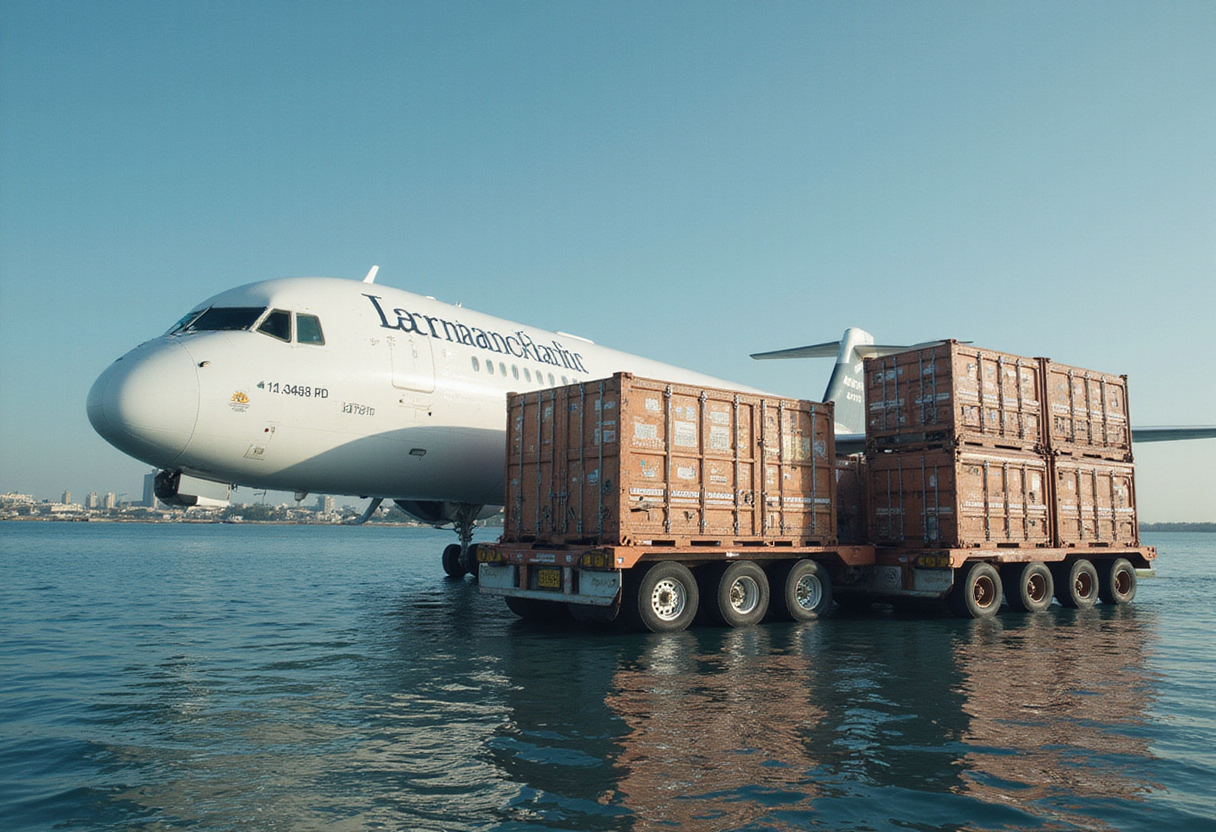
The surge in artificial-intelligence chip demand is tightening air cargo capacity on transpacific corridors, according to a report by AeroXplorer. The story is, at its core, a competition for limited lift: high-value semiconductor freight out of Asia is taking up space that other shippers previously counted on.
Air cargo works on a simple capacity equation. Freight moves either in the belly holds of passenger aircraft or on dedicated freighters (cargo-only aircraft). When one commodity class expands sharply — here, AI-related semiconductors and the hardware built around them — rates rise and capacity gets scarcer for everyone else on the lane.
What does this change for shippers and airlines?
For shippers of electronics, automotive parts and e-commerce goods, the practical consequence is higher freight rates and less scheduling flexibility out of East Asian origin points. For carriers and lessors, chip-driven demand is a yield opportunity: cargo that is light, high-value and time-sensitive is exactly the freight airlines want most.
The mechanism is straightforward:
- AI chips are small, expensive and urgent — ideal air freight.
- Their volumes have grown with datacenter buildouts, and much of the manufacturing sits in Asia.
- Transpacific lanes connect that production to US-based cloud and enterprise customers.
- Fixed short-term capacity means chip shipments displace other cargo rather than adding flights.
That last point is the one worth watching. Displacement, not capacity growth, is what squeezes the market. Unless carriers add freighter services or convert passenger aircraft, total lift on the lane stays roughly constant while demand mix shifts.
A structural shift, not a seasonal spike
Air cargo markets are cyclical, and transpacific rates have swung before with consumer electronics launches and pandemic-era disruption. What distinguishes the AI buildout is its duration and breadth. Datacenter construction programs run for years, not quarters, and each new generation of AI hardware generates fresh shipping demand across chips, servers and networking equipment.
For carriers, that changes fleet planning arithmetic. Dedicated freighter utilization (the hours a cargo aircraft actually flies) becomes more valuable when baseline demand is structurally higher. For freight forwarders (intermediaries that book cargo space on behalf of shippers), it means earlier bookings and harder negotiations on allocation.
What to watch next
AeroXplorer's report frames the trend as ongoing pressure rather than a completed shift. The indicators that will confirm whether it persists are freight rate indices on transpacific lanes, freighter capacity announcements from the major combination and all-cargo carriers, and the pace of datacenter-related hardware shipments from Asian manufacturing hubs.
If chip volumes keep climbing into the peak season, the squeeze will spread from rates into contract terms — and shippers without secured allocations will feel it first.
via Google News: Air cargo (Source)
More from Sophie Lindqvist
Show full bio
Senior reporter covering people, launches and day-to-day practice in Commercial aviation industry coverage at Flightdeck Report.
459 articles
Same bay
- FDR385AI-Driven Cargo Demand Sparks New Transpacific Air Freight Service · October 9, 2026
- FDR695Japan Air Cargo Exports Set for 11.9% Lift in FY26 on AI Demand · October 9, 2026
- FDR484AI demand emerges as a driver of global trade and air cargo · October 10, 2026
- FDR451Data-centre boom drives air cargo growth – and widens imbalances · September 30, 2026
- FDR535Transpacific air cargo demand runs 17% above last year into peak season · October 10, 2026