Clearance CLR-4636 · AIR729
AIRAIR
Airlines & NetworksClearance sheet
Air New Zealand enters the mobile market with One NZ eSIM service
Air New Zealand launched its own mobile service with One NZ on November 12, selling travel eSIMs for over 140 destinations and a prepaid monthly plan for New Zealanders.
Read-back
- Air New Zealand Mobile launched on November 12 in partnership with operator One NZ.
- Travel eSIMs cover more than 140 destinations and are data-only, usable with any home network.
- A prepaid monthly plan with calls, texts and data is available for New Zealand residents.
- One NZ's Joe Goddard said global travel eSIM revenue is expected to grow almost five-fold by 2030.
- Chief customer and digital officer Jeremy O'Brien described the service as 'a new revenue opportunity'.
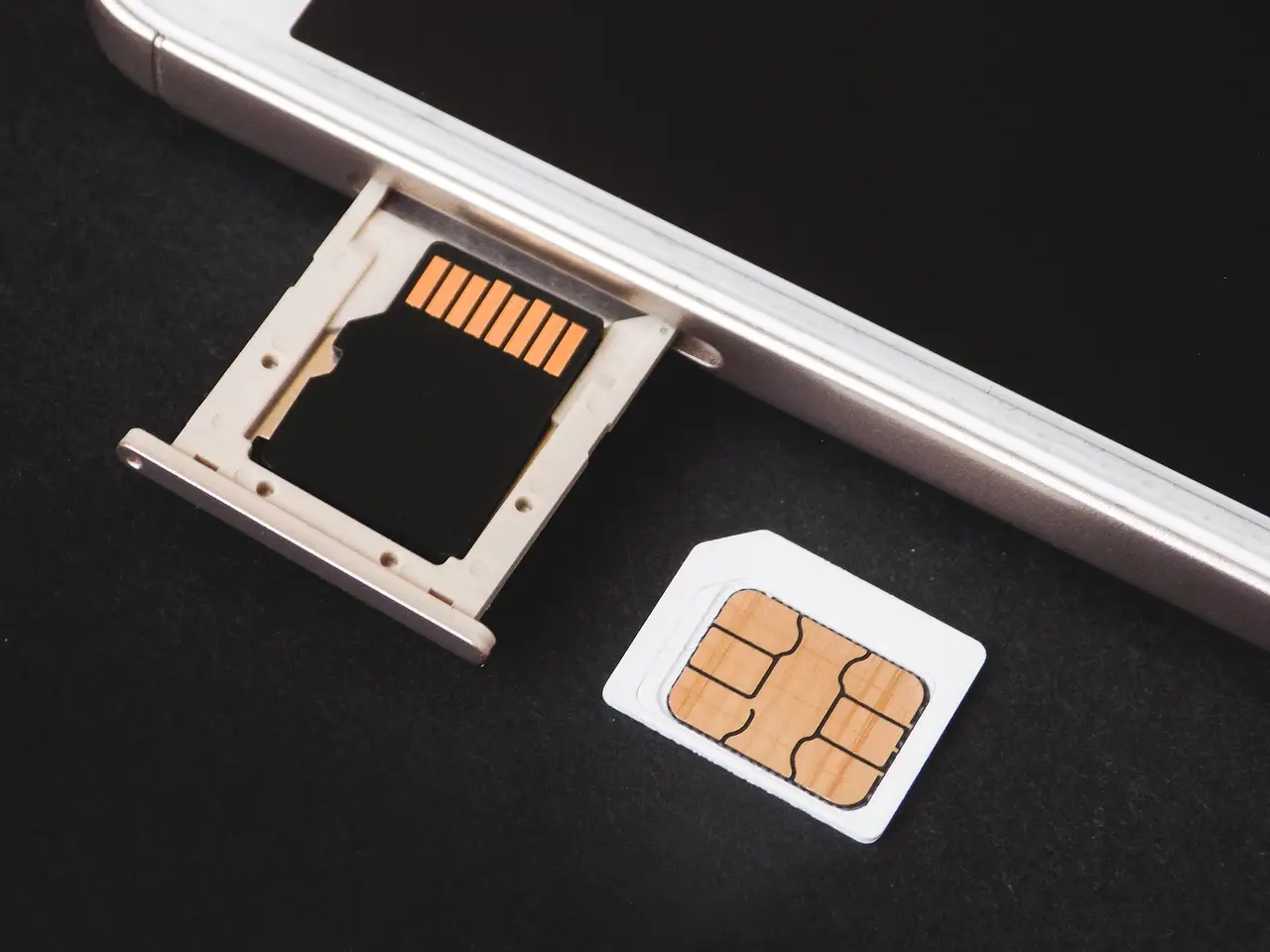
Air New Zealand went live with its own mobile service on November 12, moving beyond flying into the everyday connectivity business. The airline built the offering, called Air New Zealand Mobile, together with One NZ, one of the country's main mobile operators. The product line has two parts: travel eSIMs (embedded SIMs, digital profiles that activate a data plan without a physical card) sold to any traveller, and a prepaid monthly plan with calls, texts and data for New Zealand residents.
The commercial logic sits in a single sentence from Jeremy O'Brien, Air New Zealand's chief customer and digital officer. "People might fly with us a few times a year, but staying connected is something they need every day," he said, adding that the service gives the airline "a new revenue opportunity". In other words, the airline is trying to monetise the roughly 363 days a year when its customers are on the ground.
How do the travel eSIMs work?
The travel eSIMs cover more than 140 destinations, and the buyer's home network does not matter — the plans are open to customers of any operator. Plans are built around a traveller's specific destinations and dates, and they can include transit stops. A passenger flying Auckland to London via Singapore, for example, can buy data for both Singapore and the United Kingdom before leaving home.
The plans are data-only. That means no traditional voice minutes or SMS: customers use maps, messaging apps, and voice or video calls through over-the-top applications such as WhatsApp, which consume data rather than a cellular voice service. The service also targets inbound traffic — visitors to New Zealand can arrange connectivity before they land rather than queuing for a local SIM at the airport.
For the domestic market, Air New Zealand Mobile sells a prepaid monthly plan that bundles calls, texts and data. "Our monthly mobile plan gives Kiwi another great-value option for staying in touch, and means we can be there for our customers long after they've landed," O'Brien said.
What does this change for the airline?
The immediate financial impact is likely modest, and the source discloses no revenue targets or subscriber projections. The strategic mechanism is clearer: an airline touchpoint that previously ended at baggage reclaim now extends across the whole customer year. Each eSIM sold at the point of booking is a high-margin digital product with no aircraft, seat or fuel cost attached, and the monthly plan turns occasional flyers into recurring-revenue relationships.
The market context supports the bet. Joe Goddard, chief product and marketing officer at One NZ, said demand for travel eSIMs keeps growing and that global revenue from them is expected to grow almost five-fold by 2030. That growth forecast explains why a carrier wants its brand on a connectivity product rather than leaving the space to specialist eSIM vendors and network operators.
For One NZ, the partnership works as wholesale distribution: the operator supplies network capacity and product infrastructure while the airline contributes brand, distribution through its booking channels, and a captive travel audience. Air New Zealand has not disclosed the commercial split, subscriber goals, or pricing structure beyond confirming that prices and plan details are published on the Air New Zealand Mobile website.
The launch places Air New Zealand in a small group of full-service carriers that have attached a consumer telecom product to their brand. Whether the service becomes a meaningful revenue line or a marketing perk will show in subscriber numbers the airline has yet to publish; the five-fold eSIM revenue growth projected by 2030 gives it a growing market to compete in.
via travelwires.com (Source)
More from Sophie Lindqvist
Show full bio
Senior reporter covering people, launches and day-to-day practice in Commercial aviation industry coverage at Flightdeck Report.
673 articles
Same bay
- FDR458Air New Zealand adds 7,000 Shanghai-Auckland seats for 2027 Chinese New Year · September 30, 2026
- FDR427Hamilton Airport Targets Two New Routes as Traffic Climbs · September 27, 2026
- FDR978China Mobile demos AI aircraft maintenance platform · October 10, 2026
- FDR719Surf Air Mobility Joins FAA SMART Program as Airspace User · September 28, 2026
- FDR556Airways International to Supply ATC Simulator to Zambia Airports · October 20, 2026