Clearance CLR-1655 · AIR448
AIRWID
Airlines & NetworksClearance sheet
Widerøe to add two E195-E2s in early 2028, growing Embraer fleet to five
Widerøe will add two leased E195-E2s in Q1 2028, growing its Embraer fleet to five. The carrier says Bergen–Tromsø traffic has tripled since its first E190-E2s arrived.
Read-back
- Widerøe signs for two leased Embraer E195-E2s, delivery in Q1 2028
- Embraer E2 fleet will grow from three to five aircraft; total fleet stands at 48
- Widerøe was the world's first E2 operator, taking three E190-E2s in 2018
- Passenger numbers on Bergen–Tromsø have tripled since the first E190-E2s arrived
- Fleet includes 45 De Havilland Dash 8 turboprops alongside the three E2 jets
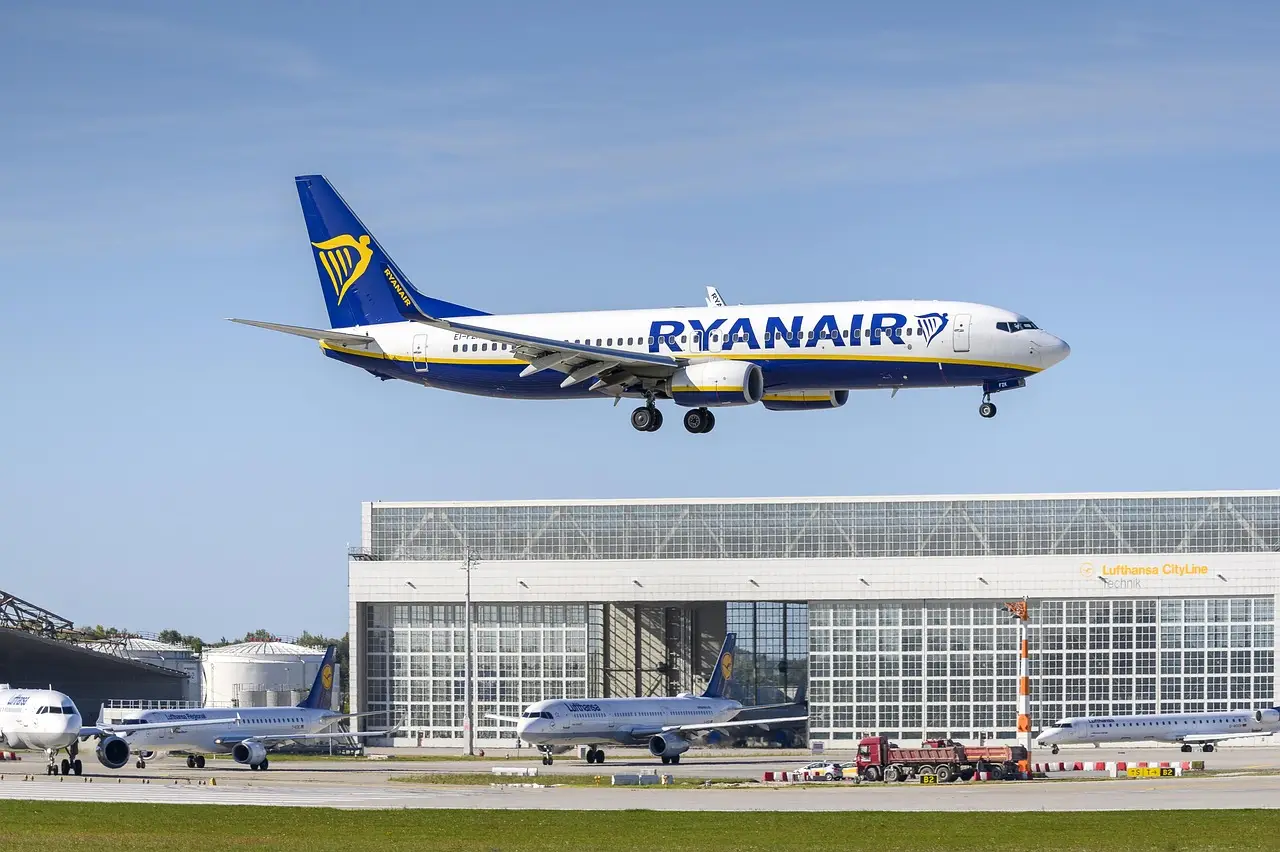
Widerøe will take delivery of two new Embraer E195-E2 aircraft in the first quarter of 2028, lifting its Embraer E2 fleet from three jets to five. The Norwegian carrier, a subsidiary of Norwegian, announced the agreement with an existing leasing partner on November 16, 2026.
The move is a modest but telling bet on larger-gauge jets in a market long dominated by turboprops. Widerøe's fleet today counts 48 aircraft, of which 45 are De Havilland Canada Dash 8 turboprops. The three Embraer E190-E2s already flying represent roughly six percent of the fleet by tail count, yet they carry a disproportionate share of the carrier's ambitions beyond short regional sectors.
What does the order change?
The two additional aircraft are E195-E2s, the larger variant of Embraer's E2 family, rather than additional E190-E2s. Widerøe did not disclose the lessor's name, seat configuration, or financial terms. What is certain is the timing: first-quarter 2028, which places the jets into service more than a year out and suggests slot positions negotiated rather than freshly placed with the manufacturer.
CEO Tore Jenssen framed the investment in network terms. "This is about strengthening air services between Norway's largest hubs outside Oslo, from Bergen to Trondheim and onwards to Northern Norway," Jenssen said. "Two new, larger jets that are more economical to operate will allow us to continue strengthening and expanding air services in regional Norway in the years ahead."
The economics claim tracks with the airline's own operating record, at least as it reports it. Widerøe says it has been "very satisfied with the operational reliability and performance" of its Embraer jets — a statement, not a dispatch-reliability figure, and one the carrier did not quantify.
What has the E190-E2 delivered so far?
Widerøe holds a credential no other operator can claim: in 2018 it became the world's first operator of the Embraer E2 family, introducing its first three E190-E2s that year. Eight years on, the airline attributes a concrete traffic result to the type. Since those first three aircraft arrived, Widerøe says the number of passengers flying between Bergen and Tromsø has tripled.
That figure is the strongest data point in the announcement. A tripling of traffic on the Bergen–Tromsø corridor, if sustained across nearly a decade, indicates the jets enabled capacity growth the Dash 8 fleet alone could not deliver on longer domestic stages. It also explains why the carrier is returning for more of the family, in a larger variant.
The E190-E2s operate on both domestic and international routes. Widerøe's international destinations served include Ireland, Scotland, Sweden, Italy and France — a footprint that stretches well beyond the Nordic region for an airline whose brand is synonymous with Norwegian short-runway operations.
Who is paying, and why now?
The backing of parent Norwegian is explicit. "This investment is a direct response to the trust that Norwegian passengers and local communities place in us every single day," Jenssen said. "With Norwegian's support, Widerøe can continue developing critical infrastructure and air routes throughout Norway."
The airline frames the new aircraft as infrastructure, not simply capacity. "The new aircraft will contribute to further operational efficiencies and reduced emissions," Widerøe said — a claim the larger E195-E2's per-seat economics should support, though the carrier offered no emissions baseline against which to measure it.
What comes next?
Between now and the first quarter of 2028, the observable milestones are few: Widerøe must integrate two additional jets into a fleet that remains overwhelmingly turbrop-driven, and Embraer must deliver them on schedule. Jenssen's stated intent is that the aircraft "continue strengthening and expanding air services in regional Norway in the years ahead." Whether Bergen–Tromsø's tripling repeats on other corridors will be the measure of that promise.
via wideroe.no (Original)
More from Grace Kim
Show full bio
News editor covering companies, deals and strategy in Commercial aviation industry coverage at Flightdeck Report.
640 articles
Same bay
- FDR839ANA tops up E190-E2 commitment as order detail stays pending · October 10, 2026
- FDR482Embraer Commercial Backlog Climbs 50% on Finnair Order · October 10, 2026
- FDR668Embraer posts record Q3 with 66 deliveries, hunts 2026 targets · October 10, 2026
- FDR137Embraer wins back Portugália's 19 E-Jets into component pool support · October 15, 2026
- FDR414KLM Cityhopper pits Embraer E2 against Airbus A220 in 25-jet tender · October 10, 2026