Safety & OperationsClearance sheet
Air Niugini 767 diverts to Davao after right-engine fire indication
Air Niugini’s Boeing 767-383ER diverted to Davao on Nov. 21 after a right-engine fire indication, landing 146 people safely; two flights were terminated and compensation remained unpublished.
Read-back
- Nov. 21: Air Niugini Flight PX19 diverted from Hong Kong to Davao with 146 passengers and crew.
- The Boeing 767-383ER landed safely and deployed an evacuation slide; no injuries or aircraft damage were reported.
- Francisco Bangoy International Airport closed from 12:08 a.m. to 2:05 a.m.; two Manila-to-Davao flights were terminated.
- An Aircraft Accident Investigator is inspecting the aircraft to establish the contributing factors and root cause.
- Air Niugini had not publicly announced compensation plans for passengers stranded in Davao.
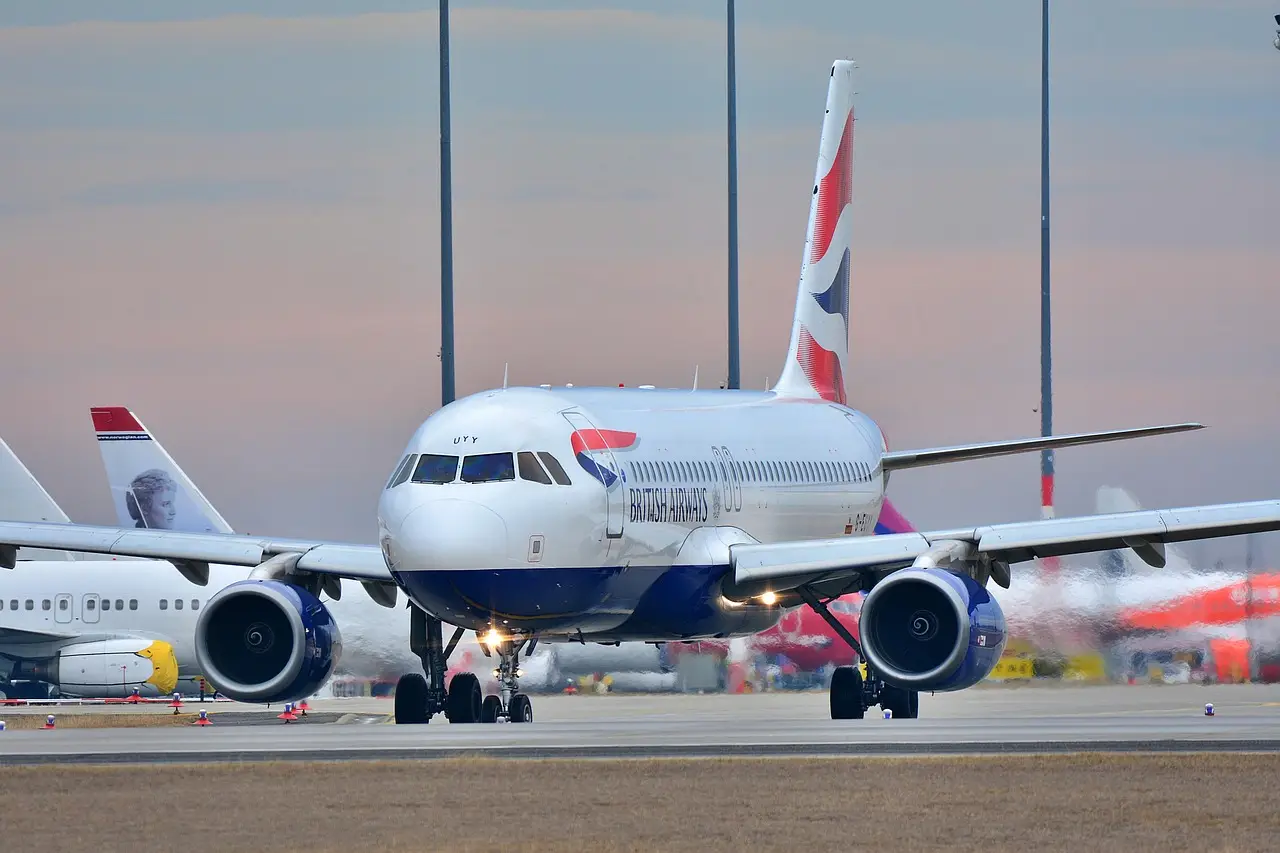
Air Niugini’s Boeing 767-383ER diverted to Davao on Nov. 21 with 146 passengers and crew aboard after the pilots saw an indication of possible fire in its right engine.
The aircraft was operating Flight PX19 from Hong Kong International Airport (HKG) to Port Moresby International Airport (POM) in Papua New Guinea.
In the early hours of the morning, the crew requested an unplanned, immediate landing at Francisco Bangoy International Airport (DVO) in Davao, in the southern Philippines. The flight account described the indication as “possible sparks of fire” in the right engine.
The jet landed safely and deployed its emergency evacuation slide. All 146 passengers and crew reached the ground. No injuries or aircraft damage have been reported. An Aircraft Accident Investigator is inspecting the aircraft to determine the contributing factors and possible root cause. The condition remains an investigated fire indication, not a confirmed engine fire.
What did the diversion do to Davao’s flight schedule?
Francisco Bangoy International Airport closed for two hours, from 12:08 a.m. to 2:05 a.m. local time, while authorities conducted the emergency response and checked the runway.
The disruption reached beyond Air Niugini’s PX19. PAL Express PR2803 and Cebu Pacific 5J967, both inbound from Manila, were terminated. Davao lost two scheduled arrivals during the closure, while PX19’s occupants reached the Philippines safely but still had to complete a journey to Port Moresby.
Why were passengers left in Davao?
Air Niugini had not publicly announced plans to compensate the passengers stranded by the diversion. The report said they were “left to their own devices” to work out how to reach Port Moresby.
That turns a safe landing into an open-ended service problem for the airline. The aircraft remains under inspection, the onward route is unresolved, and the carrier has not told passengers what support it will provide. No onward-travel arrangements had been announced at the time of the report.
What did the previous reported engine fire show?
The account identified Oct. 19 as the last reported case of a fire aboard a commercial aircraft. Shortly after takeoff from Jorge Chávez International Airport (LIM) in Lima, LATAM Airlines Perú’s Airbus A320 operating Flight LA2302 developed a fire in its left engine and wing.
Airport firefighters extinguished the flames. The crew and all passengers evacuated, with no reported injuries, but the cause was never revealed. That event remains separate from PX19: LATAM had a reported fire in two areas, whereas Air Niugini’s crew saw a possible indication in one engine and landed before investigators established a cause. Neither incident produced reported injuries.
How much does the wider safety statistic tell us?
The account framed commercial flying as one of the safest forms of travel, citing International Air Transport Association studies that put accidents at 1.32 per million flights in 2025. It also argued that passengers and crew are rarely injured when flames occur on an aircraft.
The statistic covers accidents across commercial flying; it is not a measure of engine fires or cockpit fire indications. It offers context, not a diagnosis or a forecast for Air Niugini. PX19 was one flight within the denominator, while the event produced two lost arrivals, a two-hour airport closure and an unresolved onward trip for 146 passengers and crew.
The operational effects are more concrete. Davao absorbed one emergency landing and one runway check in two hours, but lost two scheduled Manila arrivals. Air Niugini had still not published a plan for how its passengers would reach Port Moresby.
The next milestones are specific: the investigator’s root-cause finding, confirmation of whether the right-engine indication involved an actual fire, and an Air Niugini plan for compensation and onward travel. Until those are public, the right-engine event remains an unconfirmed indication rather than a diagnosed failure, and the passengers’ route from Davao to Port Moresby remains unfinished.
via travelradar.aero (Source)
More from Nathan Brooks
Show full bio
Correspondent covering technology and product news in Commercial aviation industry coverage at Flightdeck Report.
706 articles
Same bay
- Air Niugini 767 evacuates at Davao after engine fire warning · November 22, 2026
- Air Niugini 767 Evacuates 146 at Davao After Engine Fire Warning · November 22, 2026
- Singapore Airlines A350 Diverts to Rockhampton After Cabin Smoke · November 11, 2026
- Engine Fire Triggers Emergency Evacuation of LATAM A320 in Lima · October 20, 2026
- Five Injured as JetBlue Flight 1717 Hits Severe Turbulence Near Fort Lauderdale · November 18, 2026