Safety & OperationsClearance sheet
Burbank Tower Went 'ATC Zero' on Staffing Gaps Before Thanksgiving Rush
Burbank's tower ran unstaffed Wednesday evening, with Southern California TRACON absorbing its airspace; the FAA cited staffing issues but gave no cause, controller counts or duration ahead of Thanksgiving.
Read-back
- Burbank tower went 'ATC Zero' Wednesday evening; a NOTAM listed a shared frequency window of 10:30 p.m. to 5:30 a.m.
- Southern California TRACON assumed the airport's airspace; no delays, cancellations or diversions reported
- Oct. 6 outage lasted roughly six hours, causing arrival delays averaging 2.5 hours and six Southwest cancellations
- Incident came six days after a Nov. 13 nationwide FAA ground stop the agency says was unrelated
- FAA gave no cause, controller headcount or duration for Wednesday's staffing gap
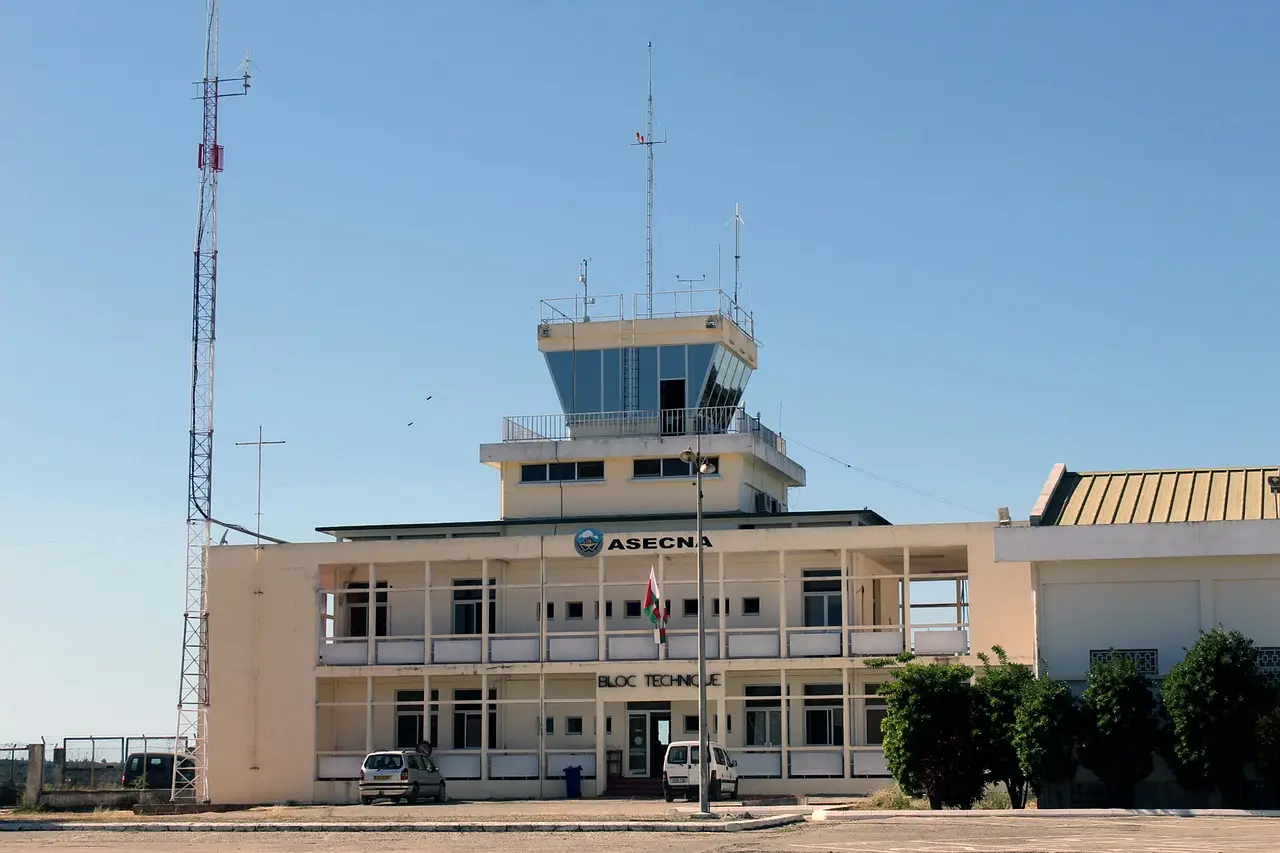
Hollywood Burbank Airport's control tower ran without an active controller on Wednesday evening, forcing pilots onto a shared radio frequency at one of the busiest travel moments of the year. Operations returned to normal Thursday, according to the Federal Aviation Administration. The agency did not say what caused the staffing gap, how many controllers were scheduled, or how long the tower sat empty.
"Operations are normal at Hollywood Burbank Airport after staffing issues at the control tower Wednesday afternoon and evening," the FAA said in a statement Thursday. Southern California Terminal Radar Approach Control, the San Diego-based facility that handles airspace across the region, assumed responsibility for Burbank's arrivals and departures under standard procedures.
What does 'ATC Zero' mean in practice?
At one point Wednesday evening, a controller announced the airport was going "ATC Zero" — tower services unavailable, KTLA reported. The category is procedural, not catastrophic. When a tower is unstaffed, pilots continue taking off and landing using established procedures, coordinating their positions and intentions with each other over a common traffic advisory frequency.
Pilots flying for Alaska Airlines and Southwest Airlines were among those heard working those arrangements, according to CBS News Los Angeles. The FAA also slows the arrival rate into an airport during such events to preserve safety margins.
A Notice to Airmen in the NOTAC database specified a common traffic advisory frequency from 10:30 p.m. Wednesday until 5:30 a.m. Thursday — a seven-hour window. The notice was later marked canceled, and the FAA has not confirmed whether that window reflects the actual duration of the outage.
Was anything disrupted?
By the airport's account, no. "Operations ran normally last night and are running normally today as well," Burbank Airport spokesperson Mike Christensen said in an email Thursday. He confirmed the interruption caused no delays, cancellations or diversions.
The carriers agreed, with qualifications. An Alaska Airlines spokesperson said its pilots and dispatchers "have policies and procedures to safely operate during these times," but did not say whether any Alaska flights were affected. Southwest spokesperson Lynn Lunsford was more direct: "We had no reports from our Pilots of operational concerns." He noted Southwest routinely operates safely at airports without functioning towers.
How does this compare with October?
Wednesday was not a one-off. On Oct. 6, during the federal government shutdown, the same tower went unstaffed for roughly six hours, from about 4:15 p.m. to 10 p.m. That episode bit. By 6 p.m., FlightAware data showed arriving flights averaging delays of about two and a half hours; departures averaged roughly 40 minutes. Southwest canceled six Burbank flights and rebooked passengers onto other Los Angeles-area services.
The contrast between the two events is instructive. Same tower, same TRACON handoff, wildly different operational outcomes — a reminder that outcome under ATC Zero depends heavily on traffic volume and timing as much as on the procedure itself.
What comes next?
Two contextual facts sharpen the timing. The staffing gap came less than a week after a nationwide FAA ground stop on Nov. 13 attributed to telecommunications problems, which also touched Burbank; the FAA says the two incidents were unconnected. And it came days before Thanksgiving, among the heaviest travel windows of the year.
The FAA did not say Thursday whether it expects further staffing problems at Burbank, or whether it is adding coverage for the holiday peak. Until the agency answers the scheduling question, the airport's carriers are left relying on contingency frequencies and the hope that normal operations stay normal.
via ktla.com (Original)
More from Grace Kim
Show full bio
News editor covering companies, deals and strategy in Commercial aviation industry coverage at Flightdeck Report.
702 articles
Same bay
- California Travelers Stranded by Aging Air Traffic Control Infrastructure · September 30, 2026
- Burbank's $1.3-Billion Terminal Opens With 14 Gates and Familiar Limits · October 20, 2026
- Burbank Opens Replacement Terminal After 40 Years of False Starts · October 13, 2026
- Road Closures Begin as Burbank Airport Terminal Work Advances · September 30, 2026
- Air Traffic Control Disruptions Add to Delayed Flights at Boston Logan · September 30, 2026