Clearance CLR-4256 · AIR771
AIRCAL
Airspace & RegulationClearance sheet
California Travelers Stranded by Aging Air Traffic Control Infrastructure
The Orange County Register reports that Californians face repeated delays and strandings as aging ATC infrastructure lags the traffic volumes moving through the state's airports.
Read-back
- The Orange County Register reports travelers in California are being stranded and delayed by an outdated air traffic control system.
- Aging ATC equipment has not kept pace with current traffic volumes in California airspace.
- Delays cascade across the state's airports during peak periods, forcing missed connections and overnight strandings.
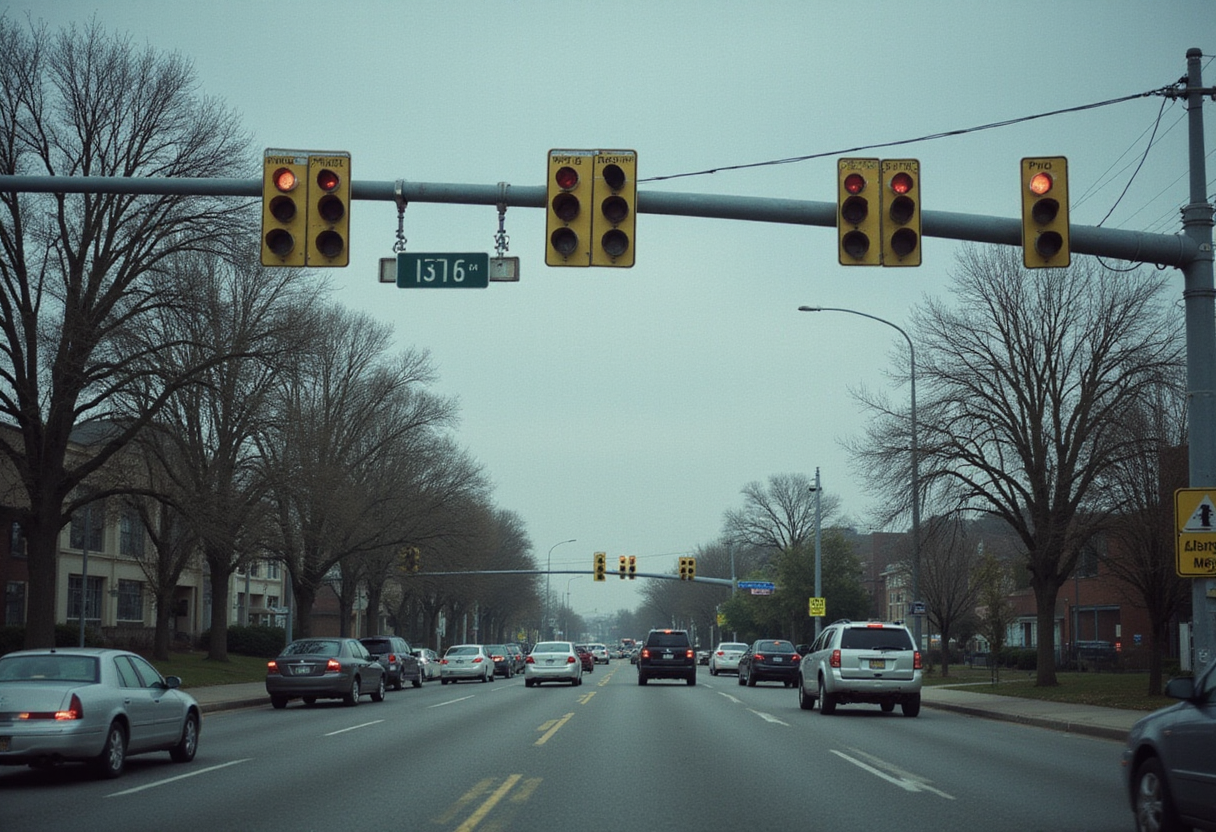
Californians are being stranded and delayed by an air traffic control system that has fallen behind the demands of the state's airspace, the Orange County Register reports.
The report centers on the gap between the volume of traffic moving through California's airports and the vintage of the ground infrastructure that manages it. For passengers, the consequence is concrete: flights that depart late, connections that are missed, and, in the worst cases, travelers stuck overnight far from their destinations.
The Register's account adds California to a growing body of evidence that ATC modernization is lagging traffic recovery. Controllers continue to work with equipment that predates the current scale of commercial operations, and the system shows the strain during peak travel periods, when a single equipment fault or staffing shortfall can cascade across multiple airports.
Airlines operating in the region absorb the operational cost. Delayed aircraft fly fewer hours per day, crews time out, and schedule buffers that carriers built to absorb ATC disruption prove insufficient when the ground system itself becomes the constraint. Networks with heavy California exposure — including the major hubs at Los Angeles, San Francisco and San Diego — are the most exposed to repeat disruption.
The Register piece does not assign a single cause. It frames the problem as structural: the hardware and procedures guiding aircraft through some of the busiest airspace in the United States have not kept pace with the traffic they must handle, and passengers are carrying the cost in lost time and canceled plans.
How quickly federal authorities commit to replacing the aging equipment will determine whether next year's peak seasons bring relief or a repeat of the strandings and delays the report documents.
via Google News: Air traffic control and airspace (Source)
More from Grace Kim
Show full bio
News editor covering consumer brands and retail at Flightdeck Report.
138 articles
Same bay
- FDR775Aging ATC Infrastructure Blamed for Stranding, Delaying California Travelers · September 26, 2026
- FDR445ATC Failure Grounds Hundreds of Flights, Exposing Aging US System · September 30, 2026
- FDR513ATC Failure Grounds Hundreds of US Flights, Exposing Ageing Infrastructure · September 28, 2026
- FDR923FAA Grounds Midwest Flights After Minnesota ATC Outage · September 28, 2026
- FDR365ATC Failure Disrupts Hundreds of US Flights, Exposing Aging System · September 28, 2026