Clearance CLR-2778 · AIR775
AIRAGI
Airspace & RegulationClearance sheet
Aging ATC Infrastructure Blamed for Stranding, Delaying California Travelers
San Diego Union-Tribune reporting links chronic passenger delays and strandings to California's aging air traffic control equipment, with cost and network consequences for carriers.
Read-back
- San Diego Union-Tribune reporting attributes passenger strandings and delays to California's outdated air traffic control system
- ATC equipment failures trigger flow restrictions that erode aircraft utilization and raise airline unit costs
- FAA modernization programs have a documented record of missed timelines, requiring verification of performance claims against deployment records
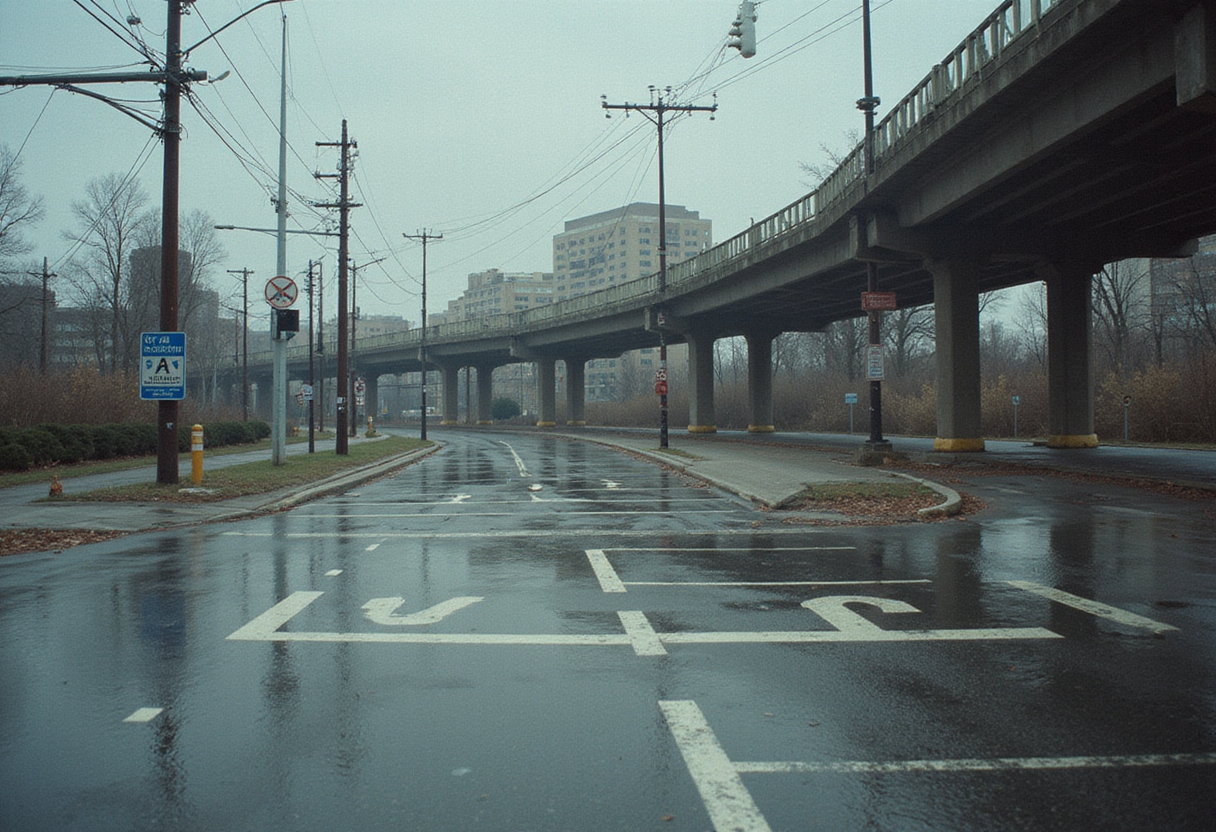
A report by the San Diego Union-Tribune identifies California's outdated air traffic control system as a direct cause of stranded passengers and prolonged delays across the state, putting a human cost on an infrastructure problem that the Federal Aviation Administration has acknowledged for years.
The newspaper's framing is blunt: the equipment managing traffic over one of the nation's busiest aviation markets is old, and Californians are paying for it in missed connections and hours lost in terminals. For an audience of operators, lessors and manufacturers, the reporting is less a revelation than a confirmation — the visible end of a chain that runs from aging radar and data-processing hardware through controller staffing shortfalls to the schedule buffers airlines carry and the aircraft utilization rates they can honestly promise investors.
The distinction matters commercially. When air traffic control equipment fails or degrades, the immediate operational effect is a flow restriction — metering, ground stops, reroutes. Airlines absorb those restrictions as block-time increases, which suppress daily aircraft utilization. An airline flying 12 hours per day per aircraft can lose an effective tail from its fleet economics without retiring anything. Carriers serving California's major markets — Los Angeles, San Francisco, San Diego, and the Bay Area's secondary airports — build padding into schedules to compensate, which raises unit costs and consumes slots and gate time that congested airports cannot spare.
The Union-Tribune's reporting lands amid a broader, well-documented federal reckoning with the system's age. The FAA's core en-route automation platform, the Host computer system, dates to the 1980s in much of the country. Terminal radar facilities run on equipment with escalating maintenance burdens and dwindling spares. Replacement programs have moved slowly across successive administrations, and the agency has repeatedly missed its own modernization timelines — a record that invites the same skepticism applied to OEM delivery schedules: performance claims deserve verification against delivery records, and in ATC modernization those records show persistent slippage.
For the traveling public described in the report — passengers stranded when systems fail at peak demand — the consequence is a canceled family visit or a missed meeting. For network planners, the consequence is structural: an airspace system operating near capacity in normal conditions has no resilience margin when equipment faults or weather hit, so single failures cascade into systemwide delay. California concentrates that vulnerability. Its airports sit at or near slot and gate capacity, its corridors carry dense transcontinental and transpacific flows, and its traffic mix — from regional jets to widebody freighters — stresses sectors that were engineered for a lighter, simpler fleet.
The passenger-experience reporting also carries a regulatory dimension. Every hour of ATC-attributable delay is an hour airlines cannot control and cannot fully price, which distorts the on-time performance metrics that the Department of Transportation publishes and that consumers increasingly consult. Infrastructure-driven delays are not evenly distributed; they concentrate at hub-adjacent facilities where the oldest equipment often remains in service.
The policy question the Union-Tribune's reporting raises is whether modernization funding and deployment timelines will accelerate to match the traffic levels the system is already carrying — or whether the gap between what the airspace infrastructure can reliably deliver and what California's demand requires will continue to widen, one stranded traveler at a time.
via Google News: Air traffic control and airspace (Source)
More from Grace Kim
Show full bio
News editor covering consumer brands and retail at Flightdeck Report.
138 articles
Same bay
- FDR771California Travelers Stranded by Aging Air Traffic Control Infrastructure · September 30, 2026
- FDR191US Insists New Air Traffic Control System Will Avoid Disruptions · September 30, 2026
- FDR513ATC Failure Grounds Hundreds of US Flights, Exposing Ageing Infrastructure · September 28, 2026
- FDR365ATC Failure Disrupts Hundreds of US Flights, Exposing Aging System · September 28, 2026
- FDR425Cancellations and Delays Expose US Air Traffic Control Shortcomings · September 30, 2026