Clearance CLR-4695 · MRO190
MROAIR
MRO & AftermarketClearance sheet
Airhub Aviation adds 737 MAX and A320neo to servicing portfolio
Airhub Aviation has added Boeing 737 MAX and Airbus A320neo aircraft to its servicing portfolio, giving the provider coverage across both wings of the narrowbody duopoly.
Read-back
- Airhub Aviation has added Boeing 737 MAX aircraft to its servicing portfolio
- Airhub Aviation has added Airbus A320neo aircraft to its servicing portfolio
- The 737 MAX and A320neo together represent the largest new-technology narrowbody backlog ever built
- The A320neo family runs on CFM LEAP-1A or Pratt & Whitney GTF engines; the 737 MAX runs LEAP-1B
- The expansion was reported by Air Cargo Week
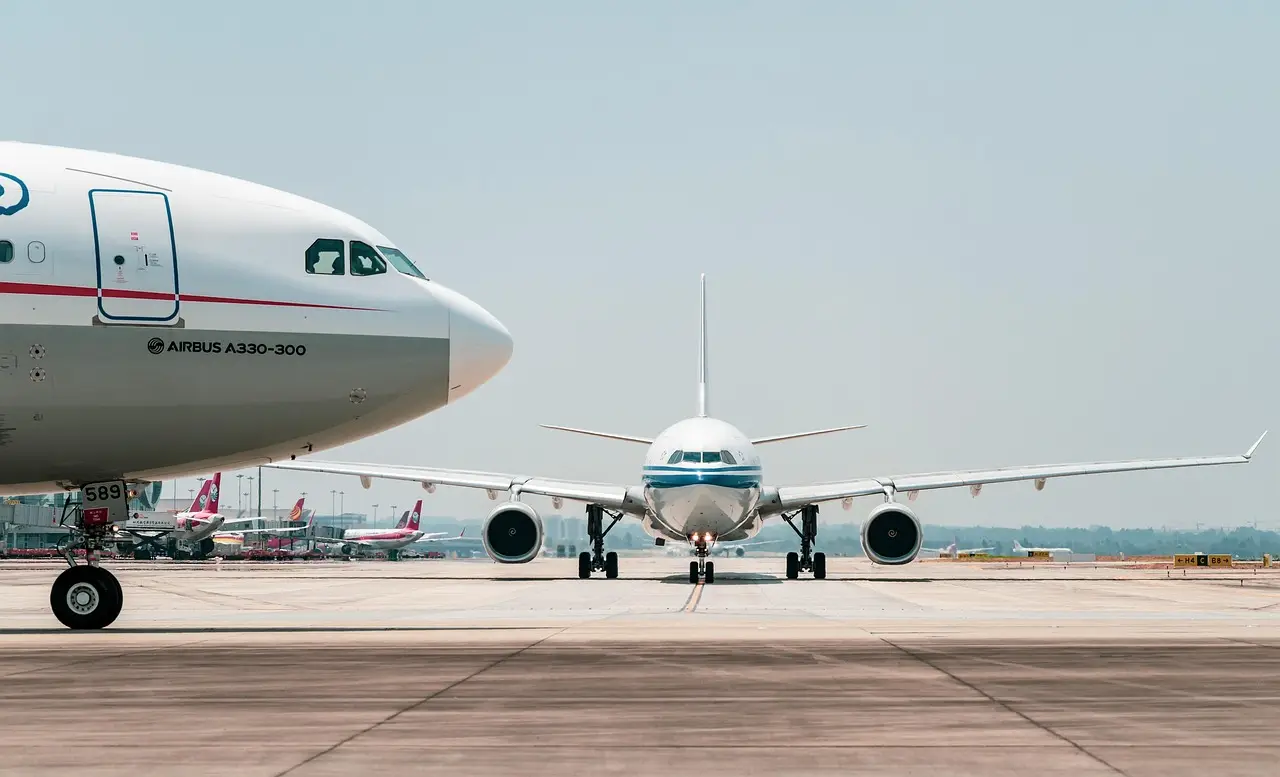
Airhub Aviation has added Boeing 737 MAX and Airbus A320neo aircraft to its servicing portfolio, putting the services provider into both wings of the narrowbody duopoly in a single move.
The expansion, flagged by Air Cargo Week, gives Airhub coverage across the two single-aisle types that between them account for the bulk of the world's new-technology narrowbody backlog.
What does dual-type coverage mean in practice?
Operators running mixed narrowbody fleets — increasingly common among lessors and large carriers — typically look for a single maintenance partner with approvals on both the A320neo family and the 737 MAX. That cuts induction-slot friction.
With Boeing and Airbus single-aisle deliveries running close to parity in recent years, the aftermarket tonnage routed to independent shops has risen. The two families are the largest concentration of new-technology narrowbodies ever put into service.
The A320neo family covers the A319neo, A320neo and A321neo, with the A321XLR opening new long-range routes. The 737 MAX family spans the MAX 7, 8, 9 and 10, plus a freighter conversion pipeline. A320neo operators are powered by CFM LEAP-1A or Pratt & Whitney GTF. The 737 MAX runs LEAP-1B.
Why does fleet-agnostic coverage matter?
The narrowbody aftermarket has rebalanced since the 737 MAX returned to service in late 2020. Where Boeing once led Western single-aisle installed base, Airbus has since closed the gap and now operates a larger in-service narrowbody fleet.
Deliveries have consistently outpaced 737 output over the past five years. That shift has reshaped where third-party capacity sits: hangars built around 737NG work have added A320neo capability, while Airbus-heavy regions have built out 737 MAX coverage more recently.
Independent providers have been the principal beneficiaries. The two airframers' own service networks handle warranty and a share of heavy maintenance. The bulk of routine and unscheduled line work, plus most component repairs, sits with third-party shops approved under EASA Part-145 or FAA repair-station equivalents.
Lessors, in particular, want partners capable of redelivery checks on either type as aircraft rotate between operators.
What changes for operators
A mixed-fleet carrier running, say, ten A321neos and six 737 MAX 8s can route both through the same organisation for line checks, A-checks and component pool access, rather than running two parallel supplier relationships. That cuts coordination cost.
The shift also feeds the broader aftermarket boom. Engine MRO on LEAP and GTF parts has been the highest-margin segment of the narrowbody aftermarket since 2023. Shop visits are running hot, with induction lead times stretching into 2026 for some operators.
Aircraft-level servicing ties directly into the engine cycle. Routine airframe checks are often scheduled around engine borescope or LLP removals.
The duopoly backdrop
The Airhub announcement lands against repeated delivery stumbles at Boeing and steadier output at Airbus — a pattern that has tilted the production balance toward Toulouse and given independent providers a more Airbus-heavy order book to plan around.
Boeing's 737 MAX output has climbed back toward higher monthly rates in 2024-2025, but remains below the pre-grounding baseline. Airbus has been pushing A320neo family deliveries toward higher rates with a stretched supply chain of its own.
For a services provider, the arithmetic is straightforward: every additional type approval widens the pool of incoming heavy checks, lease returns and component work. How much of that volume converts into hangar nights depends on approvals, tooling and training depth — which the announcement, as reported, does not yet detail.
Forward-looking: with both narrowbody fleets expanding and engine shop visits running hot, the next test for dual-type approval holders will be throughput — whether hangars can convert added capability into induction capacity before the 2026 wave of returning leases.
via Google News: Air cargo (Source)
More from Nathan Brooks
Show full bio
Correspondent covering technology and product news in Commercial aviation industry coverage at Flightdeck Report.
529 articles
Same bay
- FDR603Airbus Points to New Routes as Engine of Asia-Pacific Narrowbody Demand · September 27, 2026
- FDR483MEA to Cross 100-Aircraft Mark with 11 Boeing 737 MAX Deliveries in 2026 · September 30, 2026
- FDR107Viva–Volaris Combination Would Reshape Latin American Fleet Rankings · September 30, 2026
- FDR719Freight Giant Shifts Widebody Orders From Boeing to Airbus · September 29, 2026
- FDR447Alaska Airlines places largest-ever aircraft order with Boeing · September 30, 2026