AirportsClearance sheet
Airline Concentration Adds Three Times More to Fares Than Airport Charges
An ACI Europe–Oxera study of 54 airports finds airline concentration and congestion raise fares three times more than airport charges, putting EUR8.2 billion of passenger savings in play.
Read-back
- A 10% rise in airline concentration is associated with a 1.06% fare increase, versus 0.35% for airport charges.
- Passengers pay an estimated EUR6.4 billion congestion premium and EUR1.7 billion concentration premium.
- Moving airports to median congestion and concentration levels would save passengers about EUR8.2 billion, or EUR20 per one-way ticket.
- Airport charge pass-through to passengers is estimated at 26%.
- The study covers 54 European airports across the EEA, UK and Switzerland from 2023 to 2025.
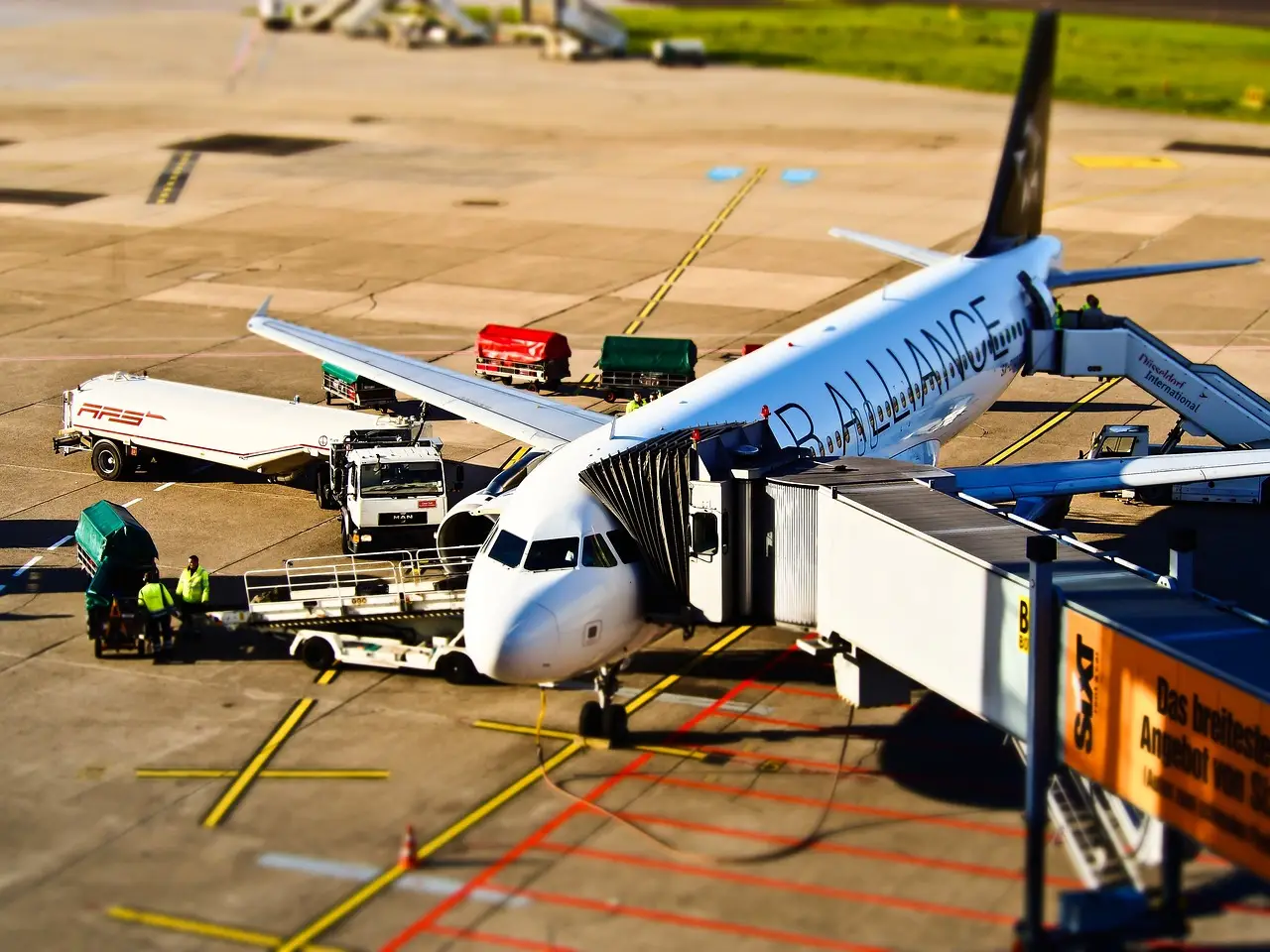
A study of 54 European airports finds that a 10% rise in airline market concentration lifts fares by 1.06% — roughly three times the fare effect of an equivalent rise in airport charges. The research, commissioned by ACI EUROPE and conducted by consultancy Oxera, examined flights across the EEA, the UK and Switzerland between 2023 and 2025, assessing demand, flight timing, congestion, airline concentration and airport charges.
The numbers are modest individually but large in aggregate. Oxera estimates passengers pay a congestion premium of EUR6.4 billion and a concentration premium of EUR1.7 billion. A 10% increase in airport congestion is associated with a 0.93% fare increase, while the same increase in airport charges moves fares by only 0.35%, with an estimated 26% pass-through to passengers.
What does the study actually claim?
The authors are careful with their language. The estimates demonstrate associations rather than causation, a caveat that matters when the sponsor is the airport industry's own trade body. Still, the directional findings are consistent: fares fall when airlines enter a market and rise when competitors exit.
The modelling is blunt in its implications. A scenario in which airports move to median levels of congestion and concentration suggests passenger savings of about EUR8.2 billion, or EUR20 per one-way ticket. Even allowing for a hypothetical 10% increase in airport charges, the estimated net benefit remains EUR5.8 billion — roughly EUR14 per ticket, for those keeping count at home.
Why does this matter for EU policy?
The findings arrive as the European Commission reviews the EU aviation regulatory framework, including airport charges and slot allocation rules. The study effectively argues that the policy debate has spent its attention on the wrong lever. Airport costs, it suggests, are a rounding error compared with what limited capacity and concentrated airline markets extract from passengers.
Three figures frame the argument:
- 1.06% fare rise per 10% increase in airline concentration
- 0.93% fare rise per 10% increase in congestion
- 0.35% fare rise per 10% increase in airport charges, with 26% pass-through
If the associations hold, the policy prescription writes itself: capacity, access and effective airline competition matter more than shaving airport fees. That is an awkward conclusion for regulators inclined to treat charges as the primary fare lever, and a convenient one for airports seeking relief from charge scrutiny.
How solid is the evidence base?
The study covers three years of data and 54 airports, which gives it reasonable breadth across the EEA, UK and Swiss markets. It does not, by its own admission, establish causation. Entry and exit effects are observed rather than experimentally isolated, and the EUR6.4 billion congestion premium is a modelled estimate, not an invoice.
The 26% pass-through figure is the study's most useful contribution to a long-running argument. Full pass-through of airport charges to passengers has often been assumed in regulatory debate; Oxera's estimate suggests passengers absorb only about a quarter of any increase, with airlines absorbing the rest.
The Commission's review of slot allocation and charges rules now has an evidence base, however imperfect, that points toward capacity and competition rather than cost control. Whether Brussels follows the arithmetic is a separate question entirely.
via CAPA News (Source)
More from Grace Kim
Show full bio
News editor covering companies, deals and strategy in Commercial aviation industry coverage at Flightdeck Report.
692 articles
Same bay
- European Airports Post 3.2% September Growth as Winter Capacity Brakes Hard · November 19, 2026
- High Costs and Slow Reforms Threaten Africa's Aviation Growth · October 11, 2026
- Ryanair's O'Leary sees 10-20% European fare rise as fuel costs bite · November 6, 2026
- Wizz Air and Ryanair Circle Rival Slots as European Carriers Struggle · November 13, 2026
- Ancillary Revenue Grows 13.4% as Airlines Reshape the Fare · October 2, 2026