Clearance CLR-6409 · SAF160
SAFALA
Safety & OperationsClearance sheet
Alaska aviation leaders gather in Anchorage for safety summit
Alaska aviation leaders and state officials met in Anchorage to discuss safety across a state where air travel serves as primary infrastructure.
Read-back
- Aviation leaders and state officials gathered in Anchorage for a safety-focused summit
- Alaska's lack of road access makes aviation the primary transport mode for most communities
- Participants emphasized continued cooperation between industry and government on safety
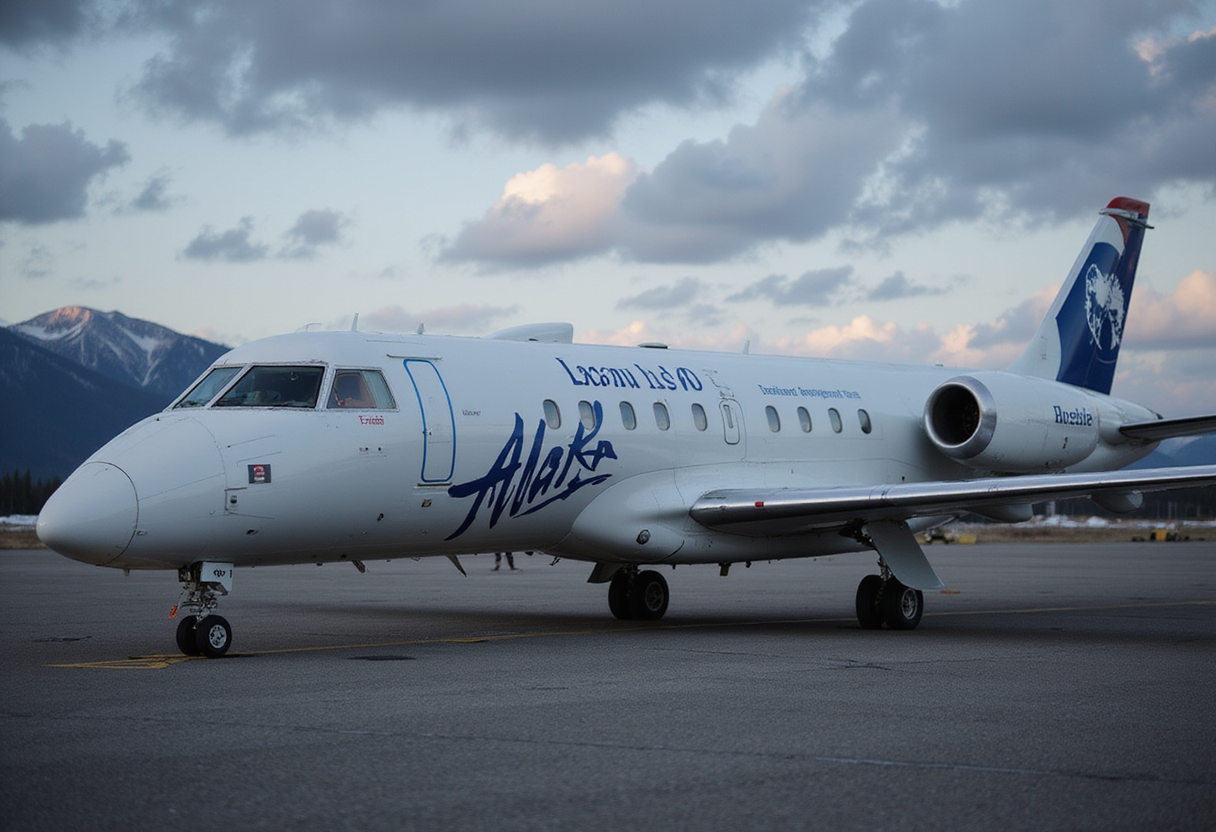
Aviation industry leaders and state officials met in Anchorage this week for a summit devoted to aviation safety, an issue with outsized weight in a state where air travel functions as primary infrastructure.
Alaska depends on aviation to a degree unmatched elsewhere in the United States. Most communities across the state lack road access, making scheduled air service, charter operators and bush flying the default — often the only — mode of transport for people, medical evacuations and goods. That operational reality places safety performance at the center of economic and public-health questions, not merely regulatory ones.
The Anchorage summit brought together leaders to discuss the current state of aviation safety in the state, covering the risks and operational challenges that shape day-to-day flying across Alaska's vast and weather-driven geography.
Speakers and participants addressed the conditions that make Alaska operations distinct: extreme weather variability, limited ground navigation aids across remote terrain, and a heterogeneous fleet of operators ranging from major carriers serving Anchorage and Fairbanks to small Part 135 operators flying into village airstrips.
The gathering also gave officials a venue to coordinate between the state, federal regulators and operators — a relationship that has historically determined how quickly safety recommendations translate into practice across Alaska's dispersed network.
For carriers and operators in the state, the stakes are concrete. Safety incidents carry consequences beyond the immediate human toll: they can restrict insurance availability for small operators, pressure route economics on thin-demand sectors, and shape federal investment decisions in weather reporting stations, navigation infrastructure and airport upgrades across rural Alaska.
The summit concluded with participants emphasizing continued cooperation between industry and government as the pathway to sustaining and improving the state's aviation safety record.
via Google News: Aviation safety (Source)
More from Priya Raman
Same bay
- FDR853Alaska Airlines Adds Seven Routes from Anchorage and Portland Hubs · September 30, 2026
- FDR358Embry-Riddle Study Frames Air Travel Risk Against Daily Life · September 30, 2026
- FDR454Experts Warn Proposed Arch Adds New Risk to D.C. Airspace · September 30, 2026
- FDR590Boeing exec: regional aviation safety must keep pace with growth · September 27, 2026
- FDR216Senate Panel Confronts Surge in Airport Close Calls · September 28, 2026