Clearance CLR-3205 · AIR400
AIRALL
Air CargoClearance sheet
Allied Aviation takes SAS Cargo GSSA mandate for India
SAS Cargo has handed Allied Aviation its India sales mandate, outsourcing freight marketing in one of Asia's fastest-growing export corridors as it defends capacity share.
Read-back
- SAS Cargo appointed Allied Aviation as general sales and service agent for its India route
- The GSSA model outsources local freight sales, booking and customer service in the Indian market
- The mandate targets India–Europe belly cargo, where pharmaceuticals and engineering goods drive export demand
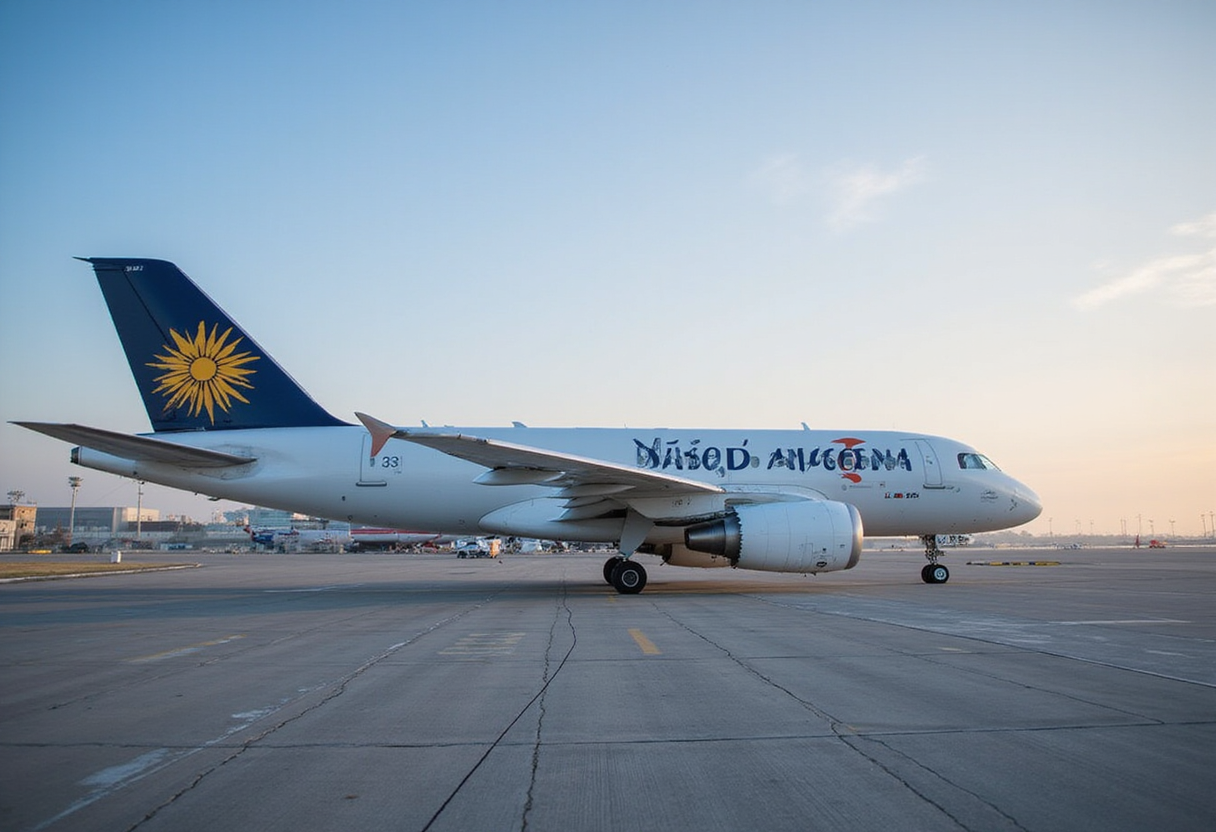
SAS Cargo has appointed Allied Aviation as its general sales and service agent (GSSA) for the India route, handing the outsourced sales partner responsibility for marketing and selling the Scandinavian carrier's freight capacity in the Indian market.
The mandate covers SAS Cargo's India traffic, one of the fastest-growing airfreight corridors out of Asia. Under a GSSA arrangement, the carrier transfers local sales, booking and customer-service functions to the agent, which sells on the airline's behalf in exchange for a commission on tonnage. For a European network carrier, the model removes the cost of maintaining country-based cargo sales staff while retaining access to local forwarder relationships.
The appointment signals SAS Cargo's intent to defend and grow its share of India-origin freight without expanding its own commercial footprint in the region. Carriers across the industry have leaned harder on GSSAs since the pandemic-era capacity squeeze, using them to capture export tonnage in source markets — particularly India, where exports of pharmaceuticals, engineering goods, textiles and perishables have driven sustained demand for belly capacity into Europe.
For Allied Aviation, the SAS mandate adds a Scandinavian network carrier to its airline portfolio. GSSA firms compete on forwarder coverage, local market knowledge and the ability to fill belly hold space on passenger services, which form the bulk of capacity on India–Europe lanes outside the dedicated freighter schedules of the major integrators and cargo operators.
The economics for SAS hinge on utilization. Belly cargo on its passenger services is a marginal-revenue business: every kilogram sold through the GSSA network adds contribution to flights already operating on passenger economics. A stronger sales presence in India should improve load factors on westbound freight and help the carrier capture a larger share of the traffic moving between Indian gateways and its Scandinavian hubs.
The arrangement also reflects the structure of the India–Europe market, where capacity is concentrated on major European hubs. SAS's network positions it to move Indian freight through Copenhagen and onward across its European and transatlantic connections, competing against carriers routing the same cargo through larger mainland hubs.
Success will be measured in tonnage and revenue share. GSSA appointments are typically reviewed against agreed sales targets, and SAS will judge the partnership on whether Allied Aviation's forwarder network in India converts demand into booked freight on its flights.
The immediate next step is commercial rollout: Allied Aviation will begin selling SAS Cargo's India capacity under the new mandate, with performance over the coming quarters determining whether the Scandinavian carrier deepens or adjusts its reliance on the outsourced model in one of Asia's most contested export markets.
via Google News: Air cargo (Source)
More from Priya Raman
Same bay
- FDR537SAS Cargo Hands India Sales to Allied Aviation as GSSA · September 30, 2026
- FDR998SAS Cargo Hires Allied Aviation as India Cargo Sales Agent · September 29, 2026
- FDR816SAS Cargo hands India sales mandate to Allied Aviation · September 30, 2026
- FDR111Air France-KLM Targets India for SAF Production Alliances · September 30, 2026
- FDR451Data-centre boom drives air cargo growth – and widens imbalances · September 30, 2026