Clearance CLR-6728 · SAF683
SAFARM
Safety & OperationsClearance sheet
Army review finds systemic failures behind DC midair collision
A US Army investigation into the Washington DC midair collision has identified systemic failures rather than a single-point cause and recommends safety fixes.
Read-back
- The US Army's review of the DC midair collision found systemic failures, not an isolated error.
- The Army report calls for specific safety fixes following the crash.
- The finding shifts attention from individual aircrew actions to broader organizational and procedural weaknesses.
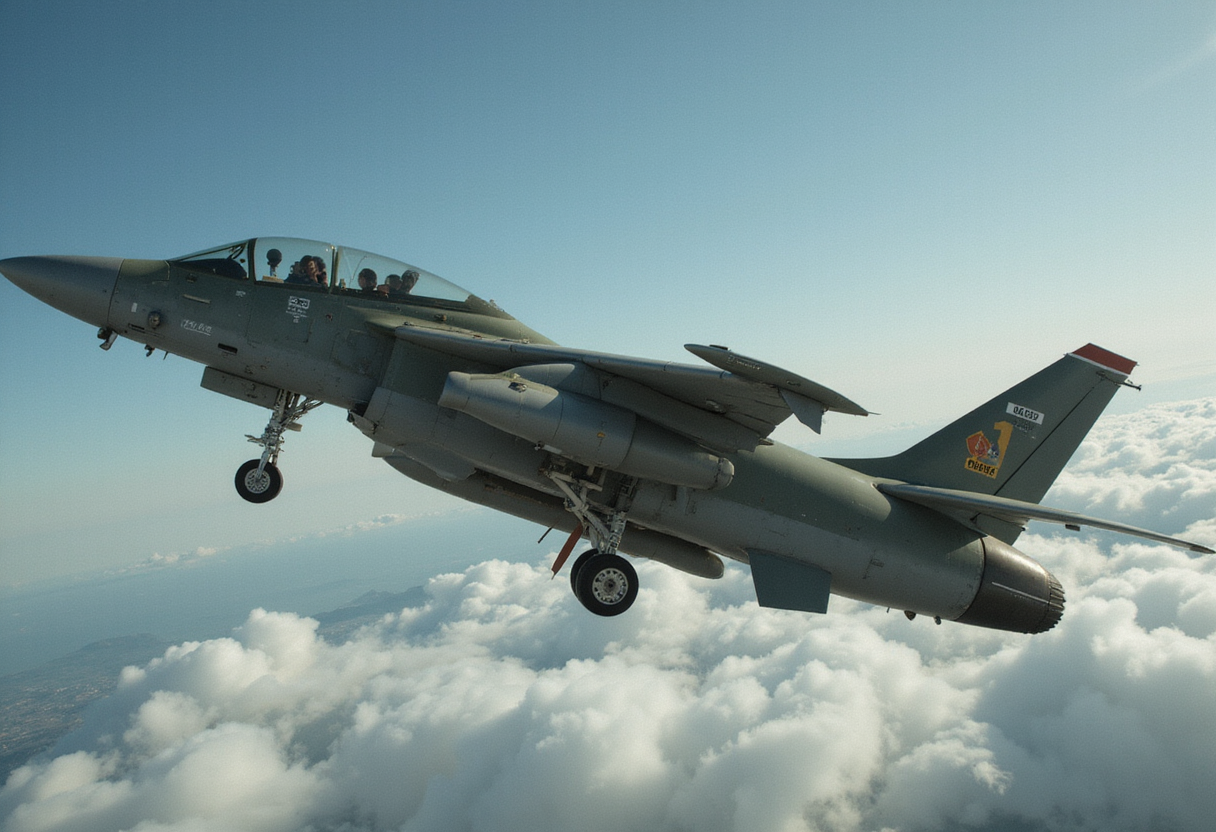
The US Army has concluded that systemic failures lay behind the midair collision in the Washington DC area, and it has called for a set of safety fixes across its aviation operations. The finding, reported by KOKI FOX 23, reframes the accident as the product of organizational weaknesses rather than the error of a single crew on a single night.
For an industry audience, that distinction matters. When a military investigation uses the word "systemic," it points at training pipelines, staffing, airspace procedures and command oversight — the machinery around the cockpit — instead of the last hands on the controls. The practical consequence is that remediation will fall on institutions, not individuals.
What does the report actually say?
According to the report, the Army identified multiple layers of failure that converged in the collision over the Potomac region. The service did not present the accident as a one-off mistake. Instead, it mapped how weaknesses in different parts of the system lined up: how crews are trained, how they are briefed for missions in congested civil airspace, and how information flows between military and civilian air traffic authorities.
The report concludes with calls for safety fixes. In military aviation, such recommendations typically translate into changed procedures, revised training syllabi and tighter coordination protocols with the Federal Aviation Administration (FAA), the US civil aviation regulator. Each of those changes carries cost and capacity consequences: aircraft may be pulled from the schedule for retraining, and mission routes through busy terminal airspace may be reconsidered.
Why "systemic" changes the accountability picture
Accident investigations can assign cause in two broad ways. The narrow way looks at the final actions before impact. The systemic way — the approach the Army took here — asks what conditions made those actions possible and why safeguards did not catch them.
By choosing the second path, the Army has effectively widened the circle of responsibility. Fixes will not stop at the aircrew. They will reach into scheduling, airspace deconfliction (the process of keeping military and civil traffic separated) and the handoff points where controllers on different frequencies manage the same patch of sky.
That wider circle is also where the cost sits. Re-training aviators, rewriting mission-planning rules and re-negotiating how Army helicopters transit dense terminal airspace all consume hours, money and readiness. Commanders will have to balance those demands against operational tempo.
What does this change for civil-military airspace sharing?
The DC area is among the most constrained pieces of airspace in the United States. Military helicopter routes there thread between civil arrival and departure corridors serving multiple major airports. Any finding of systemic failure in that environment puts pressure on the arrangements themselves, not just on the crews flying them.
The Army's call for safety fixes suggests the service expects procedural change, and procedural change in shared airspace requires the FAA as a partner. If route structures, altitude floors or communication protocols shift, the effects will show up first in controller workload and flight-path efficiency for the airlines using the same corridors. Slightly longer routings or tighter restrictions on military transits are the kind of downstream consequences operators will watch for.
Verified findings versus future promises
A useful discipline in reading accident coverage is to separate what the investigation has established from what remediation promises. Established, per the report: the collision stemmed from systemic failures, and the Army is formally recommending safety fixes. Not yet established: which specific fixes, on what timeline, and at what cost to readiness.
Those gaps will fill in as the service converts recommendations into implemented orders. Implementation — revised training, changed routes, new coordination agreements — is the stage where the report's language becomes measurable.
The Army's own framing indicates it intends that conversion to happen. What remains open is how quickly the FAA and the Army align on airspace changes, and whether the fixes arrive before another crew meets the same conditions.
— Sophie Lindqvist
via Google News: Aviation safety (Source)
More from Sophie Lindqvist
Show full bio
Senior reporter covering people, launches and day-to-day practice in Commercial aviation industry coverage at Flightdeck Report.
439 articles
Same bay
- FDR802Army Probe Finds Systemic Failures Behind DC Midair Collision · October 10, 2026
- FDR755Army report finds systemic failures preceded DCA midair collision · October 9, 2026
- FDR543Army Cites Systemic Failures Behind DC Midair Collision · October 13, 2026
- FDR768Army Review Finds Systemic Failures Behind DC Midair Collision · October 9, 2026
- FDR226Army Review Finds Systemic Failures Behind DC Midair Collision · October 9, 2026