Clearance CLR-2992 · AIR189
AIRATL
Air CargoClearance sheet
At Least Five Dead as Amazon Cargo Plane Crashes at Miami Airport
An Amazon cargo aircraft has crashed at Miami airport, killing at least five people. The accident puts freight operations and safety oversight back under scrutiny.
Read-back
- At least five people died in the crash of an Amazon cargo plane at Miami airport.
- The aircraft involved was operating as an Amazon freighter flight.
- The accident occurred at Miami's airport, a major US cargo and passenger hub.
- Casualty count is preliminary; authorities have not yet released a full accounting.
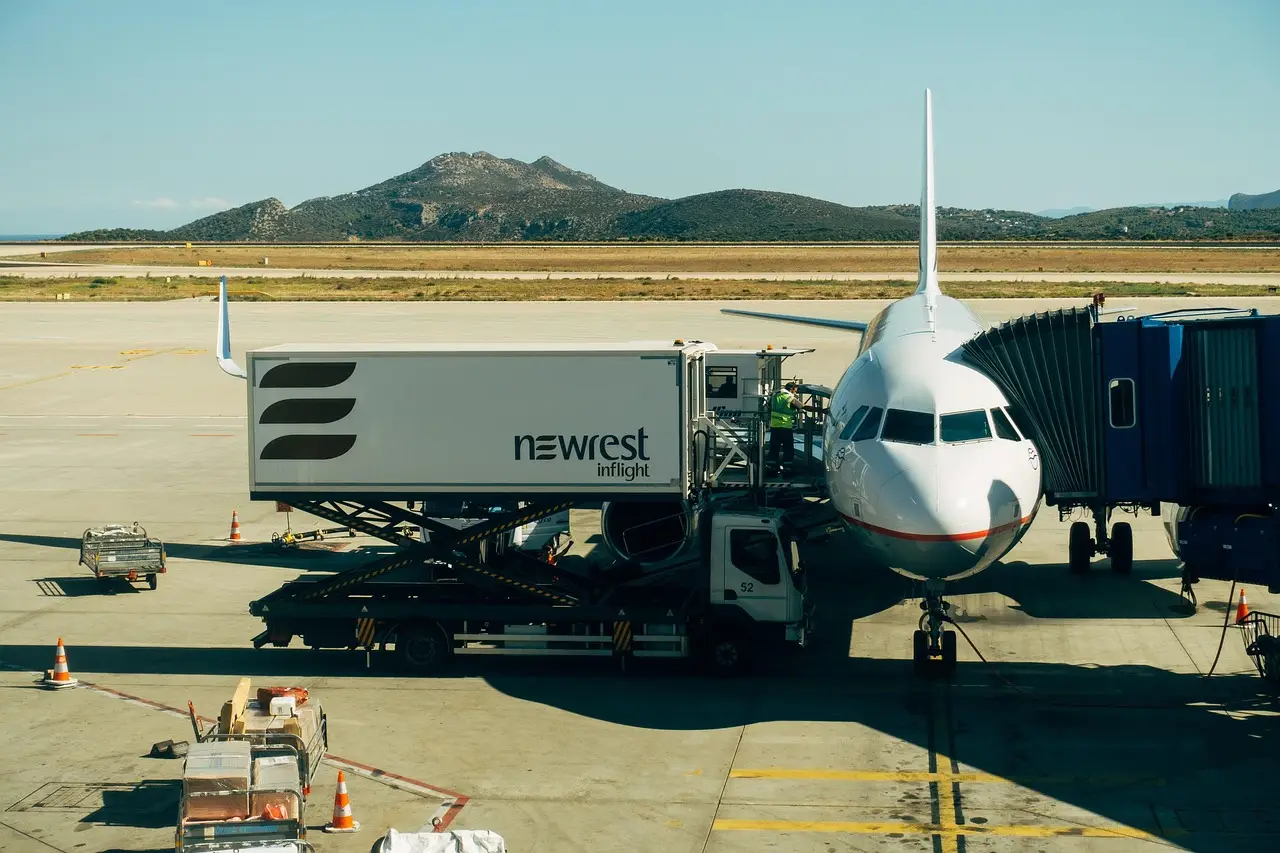
At least five people have died after an Amazon cargo aircraft crashed at Miami airport, according to a report from The Guardian. The casualty figure is preliminary. It marks one of the deadliest accidents involving an Amazon-branded freighter operation, and it will trigger the standard US accident-investigation process that follows any fatal air crash on American soil.
What is known so far?
The confirmed facts are limited but severe:
- An aircraft operating as an Amazon cargo flight crashed at Miami airport.
- At least five people died in the accident.
- The Guardian published the initial report; it did not specify the aircraft type, the operator flying on Amazon's behalf, or the flight's origin.
That gap matters. Amazon does not fly its own aircraft in most markets. It contracts capacity from third-party carriers — the model known as ACMI (aircraft, crew, maintenance and insurance), where an operator supplies the airplane and crew while Amazon controls the network and the livery. Identifying which contracted operator was flying the aircraft is the first question any investigator, insurer and lessor will ask, because liability, maintenance history and crew records all sit with that operator, not with Amazon itself.
What does this change for cargo operations?
In the short term, an accident of this scale changes three things. First, the National Transportation Safety Board (NTSB), the independent US agency that investigates civil aviation accidents, will open a full investigation, and the operating carrier's fleet may face heightened scrutiny until a preliminary read of the flight-data and cockpit-voice recorders is available. Second, Miami airport itself — a hub where cargo and passenger traffic share runways and aprons — will see operational disruption while wreckage is cleared and the accident site is documented. Third, any ground casualties or ground damage will widen the investigation into airport surface-safety procedures.
For Amazon, the commercial consequences run through its air network, which the company built over the past decade to move freight between its own sorting hubs rather than rely solely on integrators and belly capacity. A fatal accident does not halt that network, but it does invite the reputational and regulatory pressure that follows any crash of a heavily branded freighter operation.
Why the operator question matters most
Freighter accidents are investigated the same way passenger accidents are, but the public accountability lines differ. The aircraft will be traced to its owner — frequently a lessor — and its operator, and both parties' records become evidence. Amazon's air cargo program has historically used multiple contracted US operators flying converted and purpose-built freighters, so establishing which entity held the air operator's certificate (the regulatory licence under which the flight operated) is the factual foundation for everything that follows: insurance exposure, potential enforcement action and any fleet-level implications.
None of those details has yet been confirmed in the reporting available at the time of writing. The Guardian's report establishes the death toll, the operator's customer and the location; the aircraft type, flight number, crew complement and cause remain outstanding.
What happens next
Expect the NTSB to take the lead on site, with the Federal Aviation Administration (FAA), the aircraft and engine manufacturers, and the operating carrier participating under standard international investigation practice. A preliminary report typically follows within weeks, and it will establish the factual sequence — weather, aircraft condition, flight phase — before any analysis of cause. Until then, the five confirmed deaths stand as the hardest fact, and the accident investigation machinery now assembled around them will determine what it changes for Amazon's air network, the contracted operator and cargo safety oversight at one of America's busiest airport hubs.
via Google News: Air cargo (Source)
More from Sophie Lindqvist
Show full bio
Senior reporter covering people, launches and day-to-day practice in Commercial aviation industry coverage at Flightdeck Report.
551 articles
Same bay
- FDR962Victims Identified in Fatal Amazon Prime Air Cargo Crash · September 27, 2026
- FDR585NTSB Opens Investigation After Amazon Cargo Crash Kills Five · October 9, 2026
- FDR588New Report Details Amazon Cargo Crash That Killed Three · October 2, 2026
- FDR532Miami Crash Puts Spotlight on Operator Behind Amazon Cargo Fleet · October 9, 2026
- FDR734Amazon Air Crash Revives Pilot Complaints Against 21 Air · September 29, 2026