Clearance CLR-8283 · SAF674
SAFATS
Safety & OperationsClearance sheet
ATSB Opens Preliminary Reviews Into Sydney Airport Incidents
The ATSB has released preliminary reports on incidents at Sydney Airport, opening formal investigations at Australia's busiest gateway. Early reports set out facts only.
Read-back
- The ATSB has issued preliminary reports on incidents at Sydney Airport
- Preliminary reports establish facts only; findings and recommendations follow in final reports
- Sydney Airport operates under tight slot and curfew constraints, so incidents carry network-level consequences
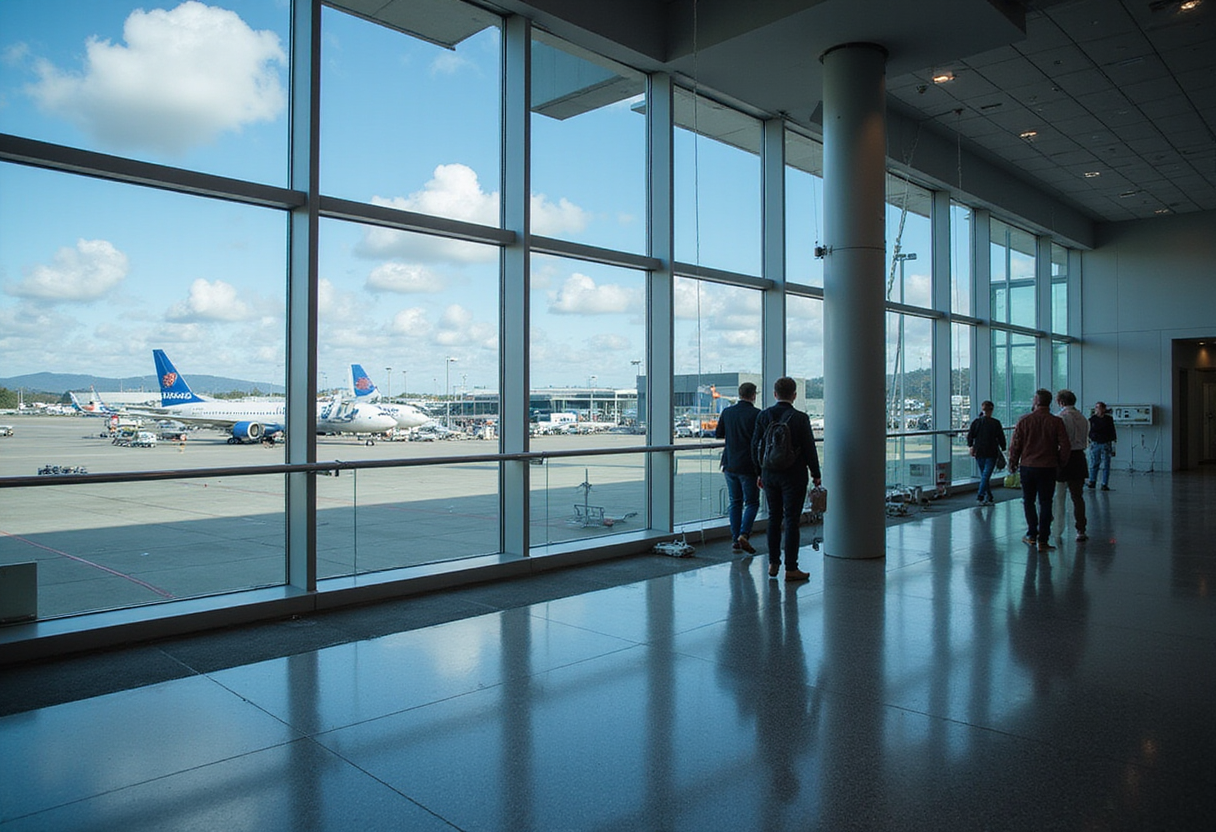
The Australian Transport Safety Bureau has issued preliminary reports covering incidents at Sydney Airport, marking the formal start of the investigation process into the occurrences at the country's busiest gateway.
Under the ATSB's established methodology, a preliminary report does not assign cause. It sets out the factual record assembled in the early weeks of an investigation: the sequence of events, the aircraft and crews involved, weather and air traffic conditions, and any immediate procedural or equipment issues investigators have documented. Findings and any safety recommendations follow in a final report, typically after a more extended evidence-gathering and analysis phase.
That distinction matters for the operators concerned. Airlines and airport stakeholders at Sydney — a field running close to its movement cap under long-standing slot and curfew constraints — face material consequences when an incident interrupts operations on its intersecting runways. Even a short closure of the primary runway complex generates knock-on delays and diversions across domestic and international networks, given how tightly scheduled the airport's hourly movements are.
The ATSB publishes preliminary reports to place verified factual detail into the public domain early, in part to counter speculation and in part to give industry an early view of any systemic issues — runway incursion dynamics, communication breakdowns, ground vehicle movements or aircraft handling events — that may warrant interim action by operators or the regulator, the Civil Aviation Safety Authority.
Sydney Airport has been the site of several notable investigations in recent years, and the ATSB maintains an active caseload at the field reflecting the density of traffic it handles. The bureau's output at major airports typically feeds directly into procedural revisions: changes to taxi routing, signage, frequency management or runway occupancy protocols adopted by Airservices Australia and the airlines serving the field.
Stakeholders will now watch two things. The first is whether the preliminary reports identify common factors across the incidents — a signal that a systemic issue, rather than isolated crew or vehicle events, may be in play. The second is the timeline to final reports, which will determine whether safety action follows while investigations remain open.
For now, the factual record the ATSB has published stands as the authoritative account of what occurred. Substantive conclusions — on causes, contributing factors and any recommended changes to procedures or infrastructure — will come only with the completed investigations.
via Google News: Aviation safety (Source)
More from Grace Kim
Show full bio
News editor covering consumer brands and retail at Flightdeck Report.
138 articles
Same bay
- FDR245CASA Finds No Immediate Safety Risk in Sydney Airport Incidents · September 30, 2026
- FDR140Revelation Follows Near-Misses at Sydney Airport · September 30, 2026
- FDR721Staffing Pressures at Center of Sydney Airport Near-Miss Probes · September 30, 2026
- FDR487Sydney Airport near-misses trigger regulatory 'bombshell' · September 30, 2026
- FDR350Airservices Australia responds to ATSB interim reports · September 30, 2026