Clearance CLR-2189 · SUS422
SUSBAI
SustainabilityClearance sheet
Bain Capital sees China SAF mandates as long-term demand driver
Bain Capital frames China's SAF mandates as long-term demand anchor for low-carbon jet fuel; source provides no mandate details, dates, or named attribution beyond headline.
Read-back
- Bain Capital has identified China's SAF mandates as the principal long-term demand driver for sustainable aviation fuel.
- Available source material from BioEnergy Times contains no mandate percentages, dates, or capital figures.
- No direct quotation from a Bain Capital partner or executive appears in the available source.
- A binding mandate would convert SAF from voluntary corporate purchase to compliance-driven procurement input.
- The headline leaves open whether the China mandate is already in force, in regulatory drafting, or remains aspirational.
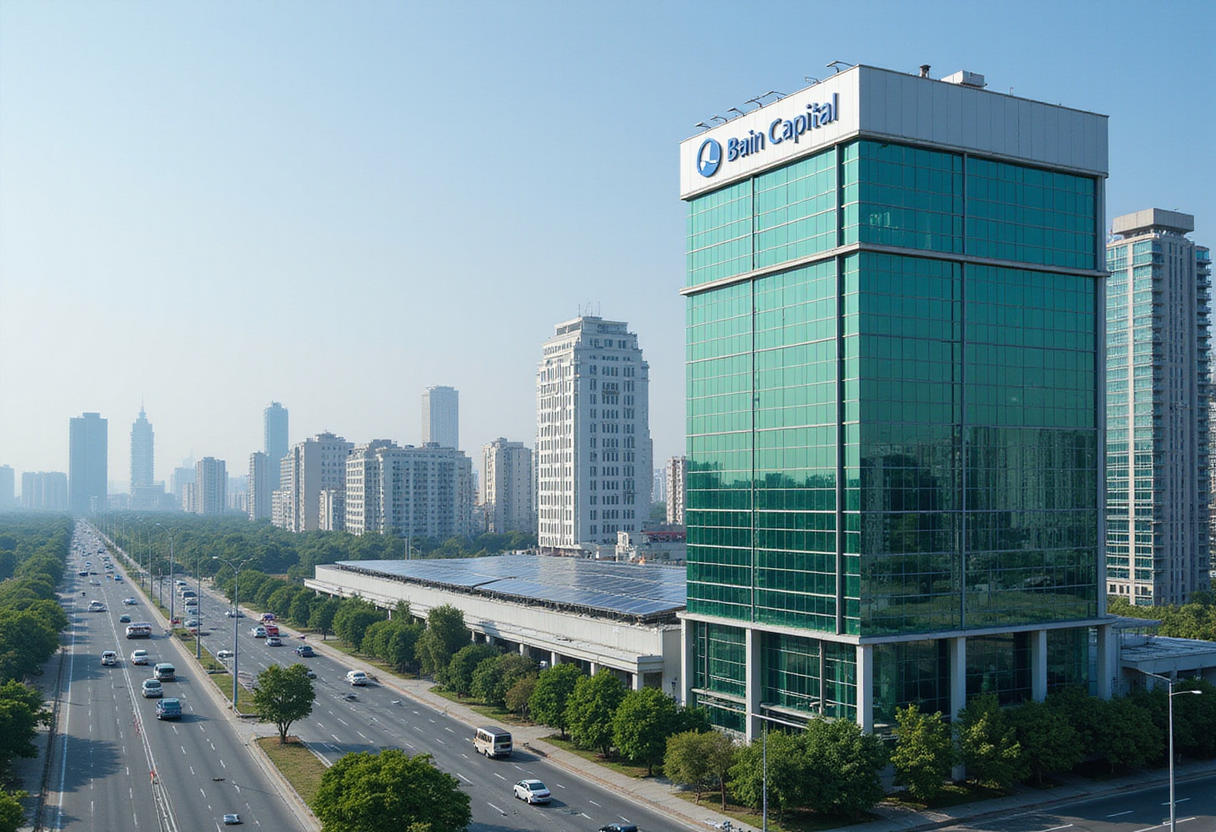
Bain Capital sees China's sustainable aviation fuel mandates as the principal driver of long-term demand growth in low-carbon jet fuel, according to a headline published by BioEnergy Times. The private equity firm's market view positions Beijing's blending requirements as a structural rather than cyclical catalyst for SAF offtake.
The available source material is a headline-level reference. It does not include specific figures for mandate percentages, target volumes, implementation dates, or capital deployment plans.
The headline also does not disclose which Bain Capital fund, strategy, or portfolio company the firm is positioning against the thesis.
What does a binding mandate change?
A SAF mandate converts low-carbon jet fuel from a voluntary corporate-purchasing decision into a compliance-driven input.
Airlines operating within the mandate jurisdiction must procure a defined percentage of SAF blended into conventional Jet A/A-1. That shifts the demand curve from discretionary to floor-supported.
For project developers, lenders, and feedstock aggregators, the distinction is the difference between a market and a procurement obligation.
The China-specific dimension matters because of the country's scale. The civil aviation sector ranks among the largest domestic jet-fuel markets globally by annual consumption.
Even a modest mandate percentage applied across that volume creates offtake that exceeds the current installed SAF production base across the Asia-Pacific region. Bain Capital's directional claim matches the volume arithmetic that any analyst working the sector would reach independently.
What does the source not disclose?
No direct quotation from a Bain Capital partner or portfolio executive appears in the available material.
That omission matters because the claim comes from a private capital allocator whose position on China SAF policy carries weight with credit committees, project sponsors, and offtake counterparties.
A stated view from a named principal would carry more underwriting significance than an unattributed headline.
The headline also does not specify whether the mandate under discussion is already in force, in regulatory drafting, or remains aspirational. The difference between those three states is the difference between an investable thesis and a contingent one.
Until the policy text is public, the Bain Capital framing functions as a market read from a sophisticated participant rather than a verified regulatory outcome.
What data points would confirm the thesis?
The next disclosures that would either confirm or qualify the Bain Capital view include: publication of the binding mandate text from the relevant Chinese regulator; the start year and ramp schedule for blending percentages; the allocation of feedstock supply between domestic Chinese production and overseas imports; and the credit structure that project developers will use to finance new conversion capacity.
Each variable will determine whether the demand signal in the headline translates into contracted offtake at investment-grade terms.
The forward-looking question is whether other large jet-fuel markets will adopt binding mandates on a comparable timeline, and whether feedstock supply can scale fast enough to meet combined regional blending obligations without forcing jet fuel cost inflation onto airlines and ultimately ticket prices.
via Google News: Sustainable aviation fuel (Source)
More from James Calloway
Show full bio
Staff writer covering industry trends and analytics at Flightdeck Report.
383 articles
Same bay
- FDR541Bain Capital Bets on Rising Sustainable Aviation Fuel Demand · October 10, 2026
- FDR432CEPU Chief Puts Sustainable Aviation Fuel at Center of China Debate · September 27, 2026
- FDR217Bain Capital Bets on Rising Sustainable Aviation Fuel Demand · October 10, 2026
- FDR706Chinese researchers claim cost breakthrough in sustainable aviation fuel · October 9, 2026
- FDR730Vietnam Begins Drafting SAF Adoption Roadmap · September 30, 2026