Clearance CLR-6539 · AIR546
AIRBOE
Aircraft & EnginesClearance sheet
Boeing cuts 2,500 commercial airplanes jobs as wing output stalls
Boeing is cutting about 2,500 commercial airplanes jobs, roughly 5 per cent, from December as wing shortages slow the 737 MAX ramp and push rate 52 to late 2027.
Read-back
- Boeing is cutting about 2,500 jobs, roughly 5 per cent of commercial airplanes staff, with notifications from December.
- The 737 rate 52 target has slipped to the back half of 2027; stabilisation at 47 per month continues into next year.
- Virgin Australia's first 737 MAX 10 delivery has moved from next year to mid-2028.
- Boeing's commercial backlog exceeds 6,300 aircraft valued at US$612 billion.
- The 737 MAX 7 and MAX 10 received regulatory approval earlier this year.
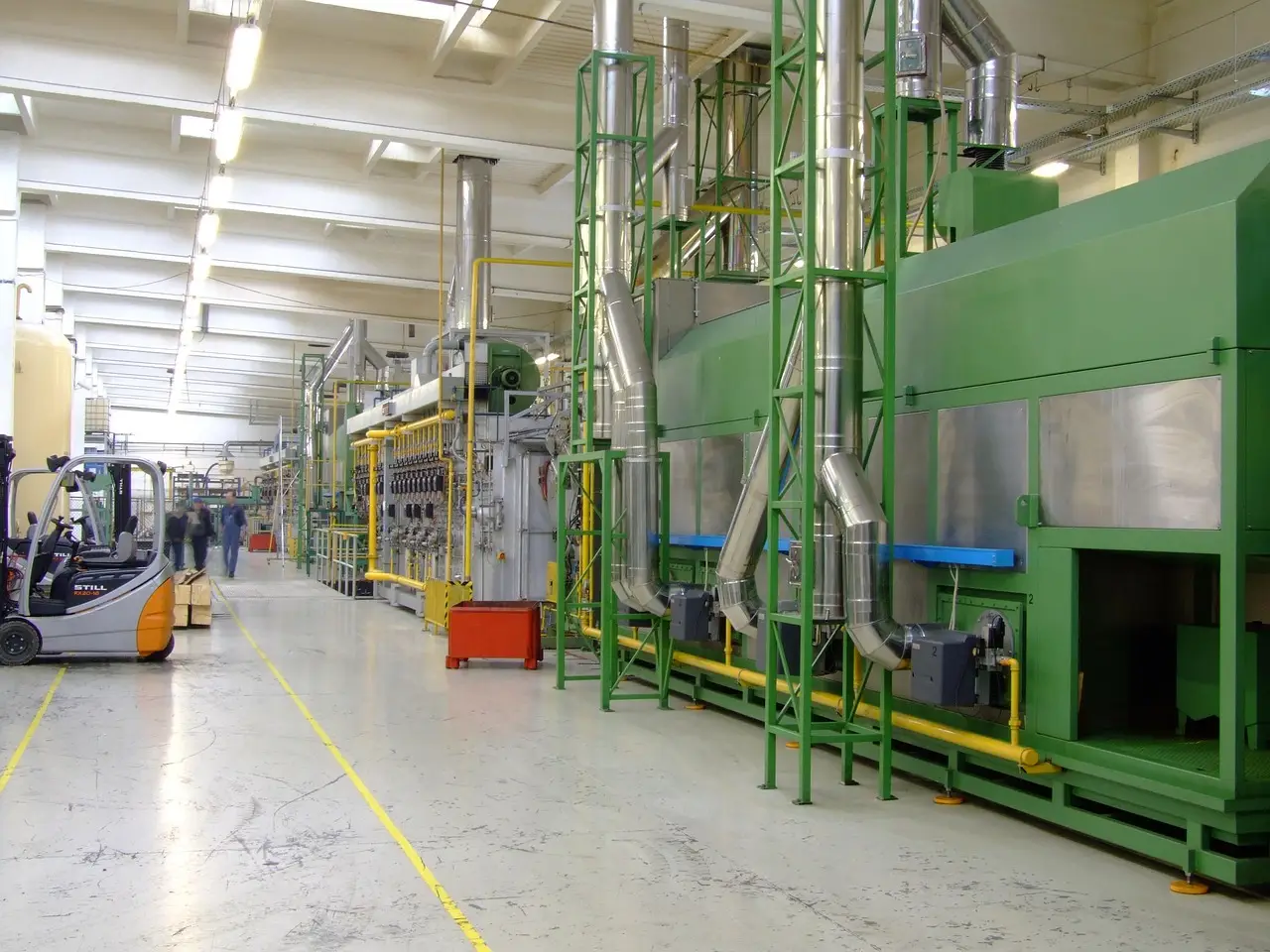
Boeing will cut roughly 2,500 jobs from its commercial airplanes division, a reduction of about 5 per cent that begins with lay-off notifications in December. The cause is mundane and, for Boeing's suppliers, unwelcome: wing production at the Renton factory is running slower than expected, hobbling the planned ramp-up of the 737 MAX.
The numbers frame the problem. Boeing is working to stabilise 737 output at 47 aircraft per month, a rate CEO Kelly Ortberg told investors in September he does not expect to hold steadily until next year. The step up to 52 per month has now been pushed back to the back half of 2027.
"Adjusting our production schedules and reducing aircraft output puts us in an overstaffed position," Stephanie Pope, head of commercial airplanes, wrote in an internal memo. "Unfortunately, that means we need to align our staffing levels to our revised business plan, resulting in a reduction of approximately 5 per cent through a combination of attrition and involuntary lay-offs, with notifications beginning in December."
What is blocking the ramp?
Ortberg identified the remaining gates on the earnings call with some precision. "Our output of wings is improving, but we need to demonstrate sustained performance at this level and ensure we have a high confidence plan to step up to rate 52 when the system is ready," he said.
Reaching 52 aircraft per month requires three things, according to the CEO: certification and production of the Northline, stability in the back shops including wings, and stable fuselage output at the higher rates in Wichita. None is fully in hand.
"We're making progress, but we still have more work to do, and I'm expecting it will take us into next year to get fully stable at this rate," Ortberg said. He added: "It's more important that we do this ramp right than what particular month we achieve a rate break, and we'll stay disciplined here."
That is a fair summary of Boeing's recent history. The discipline claim is verifiable; the calendar is not on the company's side.
Who pays downstream?
The delay already has a named casualty. Virgin Australia has revised the expected delivery of its first 737 MAX 10 from next year to mid-2028, a slip of roughly three years against the earlier schedule.
For an airline fleet planner, that is not an abstraction. It means holding older 737s longer, deferring fuel and maintenance savings, and reworking network assumptions around aircraft that remain certified but not yet delivered at scale.
What does the backlog say?
Boeing's commercial airplanes backlog stands at more than 6,300 aircraft, valued at US$612 billion. That figure works out to several years of production at even the target rate of 52 per month, which is precisely why the slow ramp is costly: every month below rate is deferred revenue against firm demand.
The certification picture is brighter. Boeing received regulatory approval for both the 737 MAX 7 and the 737 MAX 10 earlier this year, clearing the paper barriers that once stood in front of the smallest and largest variants.
The barrier now is manufacturing, not certification. Wings, fuselages and a Wichita supply chain must stabilise before the 52-per-month rate arrives in late 2027, and 2,500 workers will lose or leave their jobs before then.
via australianaviation.com.au (Source)
More from Grace Kim
Show full bio
News editor covering companies, deals and strategy in Commercial aviation industry coverage at Flightdeck Report.
583 articles
Same bay
- FDR832Boeing to Cut 5% of Commercial Airplanes Workforce as 737 MAX Rate Slips · November 10, 2026
- FDR443Boeing holds 737 MAX at 47/month as wing output lags plan · October 9, 2026
- FDR593Boeing holds MAX output at 42 a month as FAA clears two variants · October 30, 2026
- FDR585Boeing readies for third strike as SPEEA contract vote approaches · October 9, 2026
- FDR577Boeing Delivers 475 Jets in Nine Months, Trails Airbus by 72 · October 13, 2026