Clearance CLR-5011 · AIR766
AIRBOE
Aircraft & EnginesClearance sheet
Boeing's Fleet Renewal Test Hinges on Production, Certification
Boeing enters the next fleet replacement cycle from its weakest competitive position in two decades. Execution on production and certification will determine how much demand it can capture.
Read-back
- Boeing enters the renewal cycle from its weakest competitive position in two decades, with Airbus having out-delivered it in single-aisle categories in successive years
- The 737 MAX 7 and 737 MAX 10 remain in the certification pipeline, with entry-into-service timing affecting airline fleet plans through the late 2020s
- The 777X program has encountered certification delays that will shape Boeing's widebody positioning through the late 2020s
- Major lessors including AerCap, Avolon, Air Lease and SMBC Aviation Capital control a meaningful share of the global aircraft order book
- Both Boeing and Airbus hold order backlogs stretching multiple years into the 2030s as carriers retire aircraft delivered in the late 1990s and early 2000s
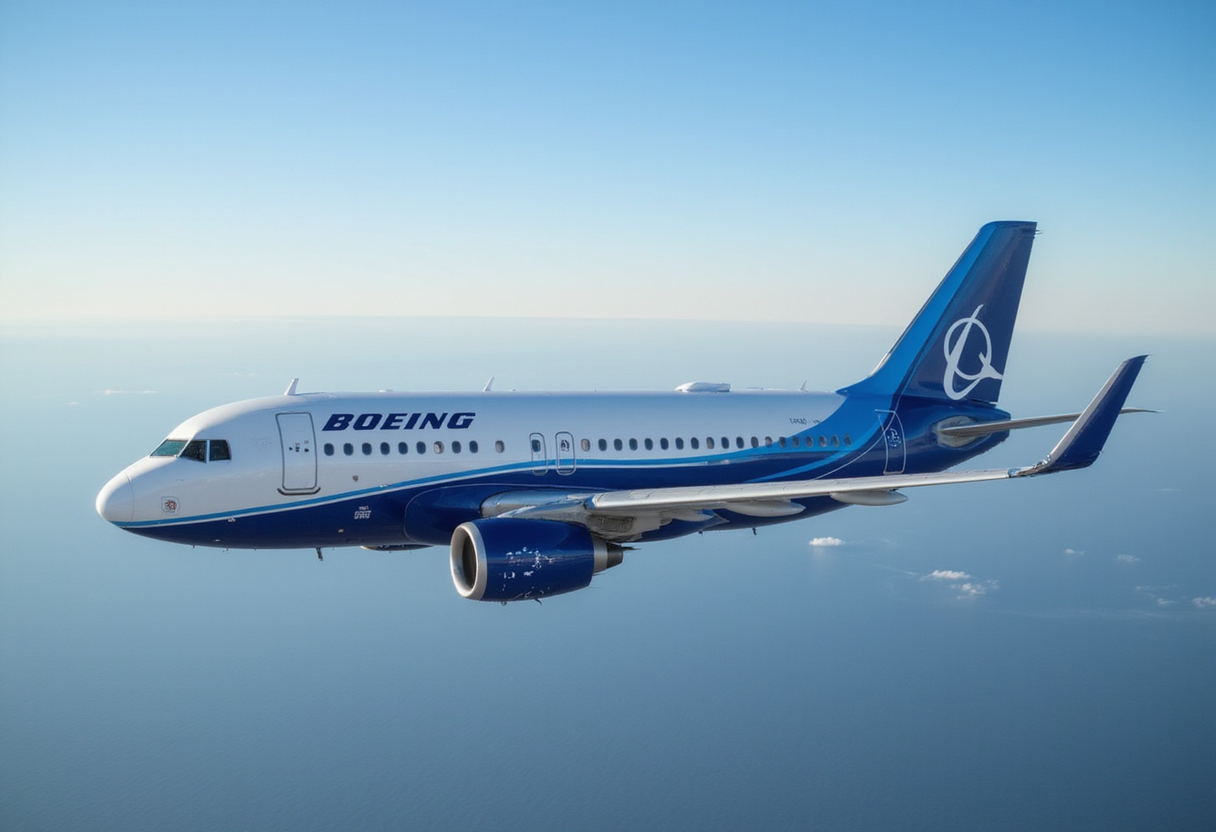
Boeing enters the next global airline fleet replacement cycle from its weakest competitive position in two decades, with Airbus having expanded its share of single-aisle deliveries in successive years.
The commercial fleet renewal picture has gained urgency as airlines worldwide prepare to retire aging narrowbody and widebody aircraft through the 2030s. Replacement demand is being driven by fuel-efficiency requirements, emissions targets and the natural end-of-life of aircraft delivered in the late 1990s and early 2000s. Both manufacturers hold order backlogs stretching multiple years into the future.
Boeing's 737 MAX program has faced extended production slowdowns, certification reviews and quality-related delivery pauses following the 2019 grounding and subsequent in-service events. The 787 program has also experienced delivery interruptions tied to inspections and rework.
What determines Boeing's share of the renewal cycle?
Three execution variables will shape how much replacement demand Boeing captures.
Production rate recovery on the 737 MAX must hold without interruption. Monthly output targets have been a recurring source of volatility, and engine supply from CFM International is widely cited as a binding constraint on the rate ceiling.
Certification and delivery of in-development variants must align with airline planning windows. The 737 MAX 7 and 737 MAX 10 remain in the certification pipeline, and their entry-into-service timing affects airline fleet plans through the late 2020s.
Financial flexibility to invest in tooling, supplier support and quality systems must be maintained alongside capital return commitments.
How will lessors shape the outcome?
The aircraft leasing community — including AerCap, Avolon, Air Lease Corporation and SMBC Aviation Capital — controls a meaningful share of the global order book. Lessor decisions will be shaped by delivery availability, residual value outlooks and manufacturer support arrangements.
Which regions are most exposed?
North American operators, with their deep installed bases of 737 aircraft, carry the most direct exposure to Boeing's recovery. Asia-Pacific carriers are pursuing mixed-fleet strategies that could favor either manufacturer, while European carriers are diversifying orders between the 737 MAX and A320neo families.
Where does the widebody fit?
The widebody segment adds a second dimension. The 787 competes against the Airbus A330neo and A350 in long-haul network markets, while the 777X program — intended for the very-large twin category — has encountered certification delays that will shape Boeing's widebody positioning through the late 2020s.
Freighter demand provides an additional opportunity. E-commerce-driven cargo demand has supported multi-year backlogs for the 777-8F and the 767-based converted freighter program, with the 767 line approaching a transition point as production winds down.
Boeing's commercial leadership has committed publicly to restoring production rates and delivering aircraft that meet quality and certification standards. Whether that commitment converts into measurable delivery share by the time 2026-2028 fleet decisions are finalized will determine how the manufacturer emerges from the renewal cycle.
via Google News: Aircraft orders and fleets (Source)
More from Priya Raman
Same bay
- FDR348FAA: 737 MAX Software Flaw Identified by Agency Poses No Safety Risk · October 3, 2026
- FDR483MEA to Cross 100-Aircraft Mark with 11 Boeing 737 MAX Deliveries in 2026 · September 30, 2026
- FDR111Commercial Aircraft Order Backlog Passes 17,000 for First Time · October 9, 2026
- FDR283Industry order backlog tops 17,000 aircraft for first time · September 30, 2026
- FDR443Boeing holds 737 MAX at 47/month as wing output lags plan · October 9, 2026