Clearance CLR-7740 · AIR591
AIRBOE
Aircraft & EnginesClearance sheet
Boeing Tells Airline Fleet Planners to Lengthen Their Horizon
Boeing is urging airline fleet planners to extend their planning horizon, as stretched backlogs and production limits push order-to-delivery cycles further out.
Read-back
- Boeing says airline fleet planners must think further ahead, Aviation Week reports
- Stretched OEM backlogs and production constraints are lengthening order-to-delivery cycles
- The guidance puts earlier commitment decisions on the airline side of the OEM-customer relationship
- Delivery-slot availability, not demand, is the constraint carriers can least afford to ignore
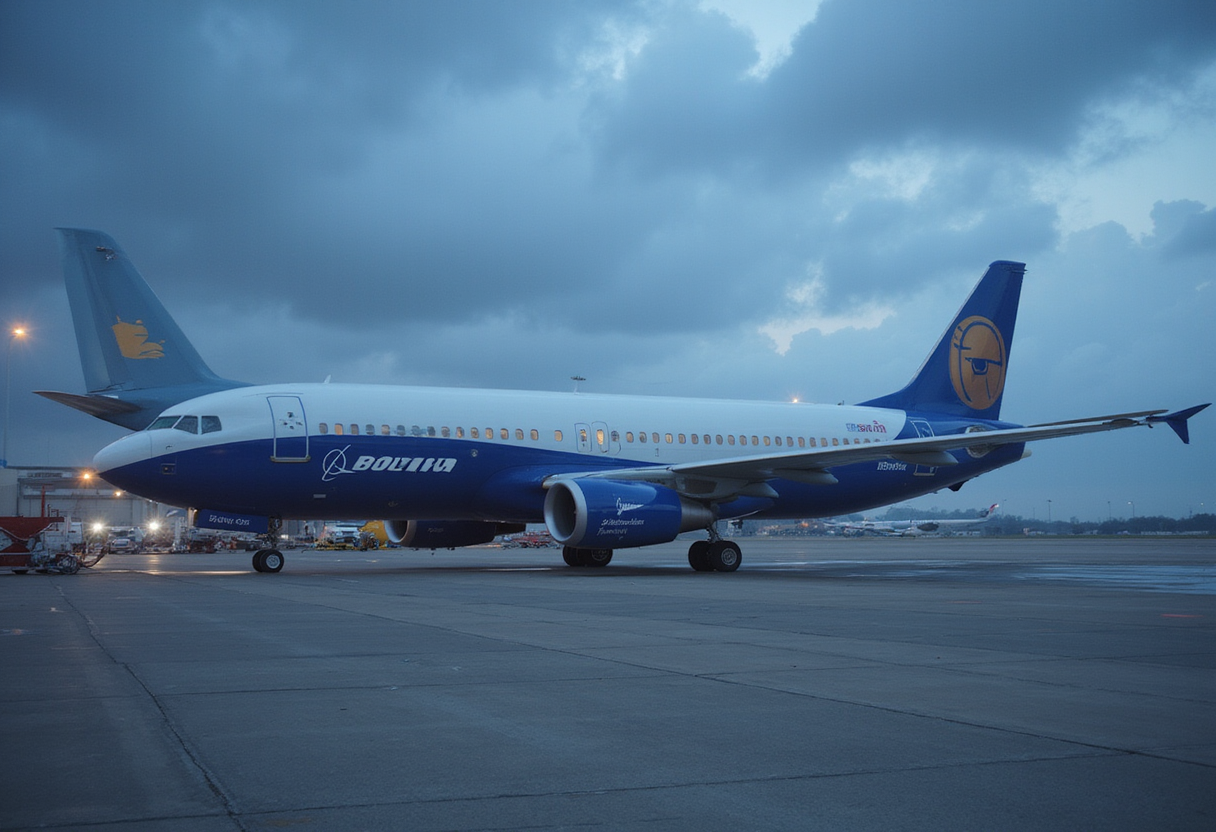
Boeing is urging airline fleet planners to think further ahead when mapping future capacity needs, according to a report by Aviation Week — a signal that the manufacturer expects order cycles and delivery lead times to stretch well beyond the planning windows carriers have traditionally used.
The headline directive — "Airline Fleet Planners Must Think Further Ahead" — captures a structural shift in how airlines and OEMs now align on capacity. With production constraints, certification timelines and backlog depth shaping when a ordered aircraft actually arrives, the interval between a fleet decision and a delivered jet has become a planning variable in its own right.
Why does the planning window matter now?
Fleet planning has historically run on cycles that assumed a manufacturer could convert a firm order into deliveries on a predictable schedule. That assumption has weakened. Backlogs across Boeing and Airbus now stretch years into the future, and production recovery — not demand — has become the binding constraint on how quickly airlines can add seats.
For airline network planners, the consequence is direct: an aircraft decision made today locks in capacity for a point in the future that keeps receding. Carriers weighing replacement of aging narrowbodies or the introduction of new types must commit earlier, with less certainty about delivery dates, than they did a decade ago.
For lessors, the same dynamic reshapes placement strategy. An airframe ordered now is an asset that earns revenue only once it ships; longer lead times extend the capital-deployment window and change how lessors price risk.
What does it change for airlines and OEMs?
Boeing's message, as framed by Aviation Week, puts the burden of longer-range thinking on the customer side as much as the manufacturer side. Airlines that wait for certainty — on engine performance, on certification milestones, on production-rate recovery — risk finding delivery slots already taken.
The advice also implies a harder test for manufacturer performance claims. When a planner must commit five or more years out, the relevant data is not the current monthly delivery figure but the trajectory of rate increases, the stability of the supply chain and the credibility of program schedules. Backlog records, not announcements, become the verification tool.
The open question
What Aviation Week's headline does not resolve is how airlines should reconcile longer commitments with the demand uncertainty that long horizons carry — fuel prices, traffic cycles and competitive shifts do not oblige a five-year schedule. Boeing's guidance that planners must think further ahead suggests the company believes supply, not demand risk, is the variable carriers can least afford to ignore. How airlines balance that against their own forecasting discipline will define fleet strategy through the rest of the decade.
via Google News: Aircraft orders and fleets (Source)
More from Nathan Brooks
Show full bio
Correspondent covering media and advertising at Flightdeck Report.
356 articles
Same bay
- FDR283Industry order backlog tops 17,000 aircraft for first time · September 30, 2026
- FDR260Carrier Crosses the 100-Aircraft Fleet Threshold · September 30, 2026
- FDR111Commercial Aircraft Order Backlog Passes 17,000 for First Time · October 9, 2026
- FDR269Alaska Airlines Places Largest-Ever Aircraft Order · September 30, 2026
- FDR378GE Aerospace: Airline Fleet Plans Holding Despite Traffic Wobble · October 10, 2026