Clearance CLR-2918 · SAF683
SAFBOM
Safety & OperationsClearance sheet
Bombardier Safety Standdown Marks 30 Years in Wichita
Bombardier's Safety Standdown turns 30 on November 9-12 in Wichita, expecting 400 attendees plus thousands online, with 45% first-timers each year.
Read-back
- Safety Standdown runs November 9-12 in Wichita, marking its 30th anniversary with 400-plus expected attendees.
- Bombardier began streaming the event in 2010, extending free access to thousands worldwide.
- About 45% of attendees in any given year are first-time participants.
- A sponsorship fund brings three students or industry newcomers each year, covering travel costs.
- The event began in 1996 as a gathering of Learjet demonstration teams and opened industry-wide in 1999.
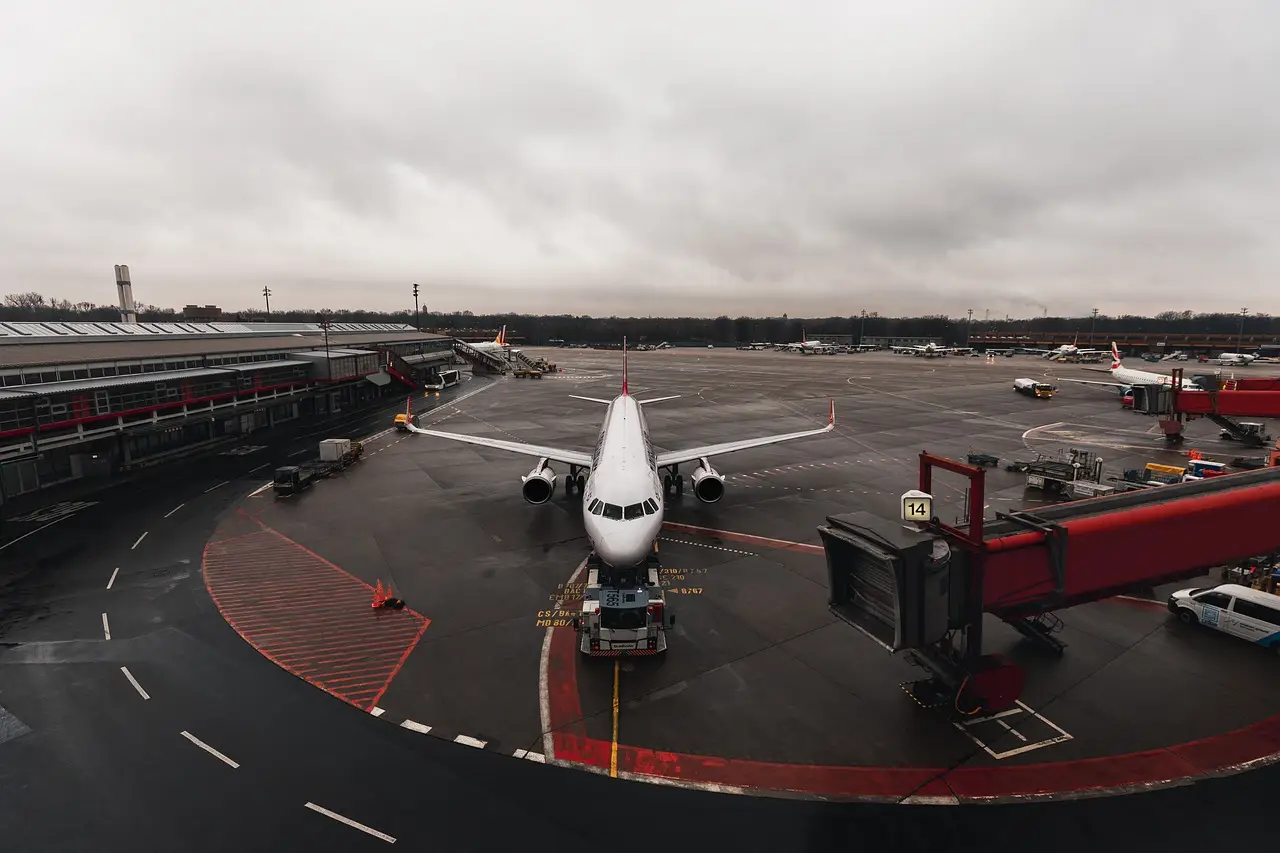
Bombardier will stage the 30th edition of its Safety Standdown from November 9 to 12 in Wichita, expecting more than 400 attendees in person and thousands more online. The four-day event, held free of charge nearly every year at the Wichita Hyatt Regency, carries the theme "Evolution Fueled by Legacy."
"It is a milestone event," said Chris Milligan, vice-president of preowned aircraft services, who leads the program. "It started the same year that I came in [to Bombardier]. The journey that this event's had with Bombardier is incredible."
How did a Learjet meeting become an industry fixture?
The event began in 1996 as a training gathering for Bombardier's Learjet flight demonstration teams in Wichita and Hartford, Connecticut. Reception was positive enough that it continued. By 1999 it had opened to the wider industry. Attendance eventually hit the venue's capacity of just over 400, so in 2010 Bombardier began streaming the program worldwide. The company now posts supplementary material periodically to, in its words, make it a year-round event.
With safety, Milligan said, "We don't see competition. It's an industry event." Officials from NBAA, the Air Charter Safety Foundation, and the Citation Jet Pilots Association attend regularly. So do attendees from outside aviation, including the automotive sector.
The audience has broadened beyond pilots to management, maintenance, and — more recently — human resources. Milligan frames the shift as structural, not cosmetic. "It is end to end. It's organizational. It's not just pilots or directors of aviation; it's manufacturing of the airplane, how you service the airplane, and everything from A to Z," he said. "There are no borders to who can be involved and who's responsible for safety."
What drives the program?
An advisory board representing a cross-section of industry and safety experts starts planning the next edition the day the current one ends. "They are the ones that come up with all the great topics," Milligan said. "They know the speakers that are in the industry that are up and coming." Amy Grubb, a change-management specialist serving as digital transformation advisor for the FBI, chairs that board.
Attendance data suggests the model works. Roughly 45% of attendees in a given year are first-timers. Milligan said past participants tell him: "I got so much out of it, I want to send somebody new. I really want to include my organization."
A sponsorship fund formed a few years ago pays travel expenses for three students or industry newcomers, selected by essay. Advisory board members sit with them at lunch. "The amount of questions they ask is incredible," Milligan noted.
Who speaks this year?
Tony Kern returns as a perennial headliner. Director of aviation for Alaskan operations at Hilcorp, former CEO of Convergent Performance, and a widely recognized safety expert, Kern opened last year in a pirate costume for his talk "Under the Black Flag." This year he presents "John Boyd, Chaos Theory, Artificial Intelligence, and Polar Bears: The Sublime Art of Living in the Yellow."
The general sessions also feature Ivan Pupulidy of the University of Alabama at Birmingham on "Risk: The Untold Story"; retired U.S. Marine major Jermaine Cadogan on "Building a Culture of Excellence & Proactive Compliance"; and Tim Wade, corporate director of environmental, health, and safety at Flexjet, on "What You Lead, You Leave." Agenda topics include safety under pressure, crew resource management, workforce challenges, emotional intelligence, medical updates, and compliance. Afternoon workshops offer as many as 11 options daily, with attendees picking a couple each day.
Past speakers have ranged from NTSB members and association leaders to sleep researchers and safety-science experts, including personal accounts of tragedy and accident analyses.
What has changed in 30 years?
The founding objective — to improve aviation safety standards and sustain positive changes — has not changed. The scope has. Milligan said planning discussions asked "how safety has evolved as a topic. How comprehensive it is now versus 10, 15, or 20 years ago." He described a shift from "tasks that we do each day to be safer to a culture that we create for our organization," aimed at transparency and proactive disclosure.
Bombardier experimented with Fort Worth, Texas, for more space but returned to Wichita. "With Wichita being the aviation capital of the U.S., it's our home for defense, our service center, and our flight test organization; it really is the nucleus for us," Milligan said. A future relocation is not off the table.
The event has also spawned the Flight Attendant Safety Summit, held annually in August in Montreal, with summits now in Europe and Asia. International Safety Standdowns remain under discussion, possibly folded into maintenance and operator meetings. Nothing on that front is concrete yet — a caveat worth noting against any expansion claims. For now, Wichita keeps the 30th edition, opening with a reception on November 9 and a banquet where Bombardier presents its safety award.
via Google News: Aviation safety (Source)
More from James Calloway
Show full bio
Staff writer covering people, launches and day-to-day practice in Commercial aviation industry coverage at Flightdeck Report.
622 articles
Same bay
- FDR519Aviation Connect Closes Athens Edition With Lisbon Dates Set for 2027 · October 2, 2026
- FDR544Aviation Connect 2026 Opens in Athens Amid Early Setback · October 2, 2026