AirportsClearance sheet
Broward County Declares Flood Emergency; Fort Lauderdale Airport Stays Open
Broward County declared a flood emergency at 7 a.m. on Nov. 18, 2026, suspending government services — but Fort Lauderdale-Hollywood International Airport and Port Everglades kept operating amid taxiway restrictions.
Read-back
- Broward County declared a local state of emergency at 7 a.m. ET on November 18, 2026
- Fort Lauderdale-Hollywood International Airport and Port Everglades remained open despite the flooding
- Overnight flooding caused temporary restrictions on several airport taxiway sections
- The Emergency Operations Center activated to Level 2; county parks and libraries closed for the day
- Officials warned flooded intersections, underpasses and low-lying streets make water depth hard to judge
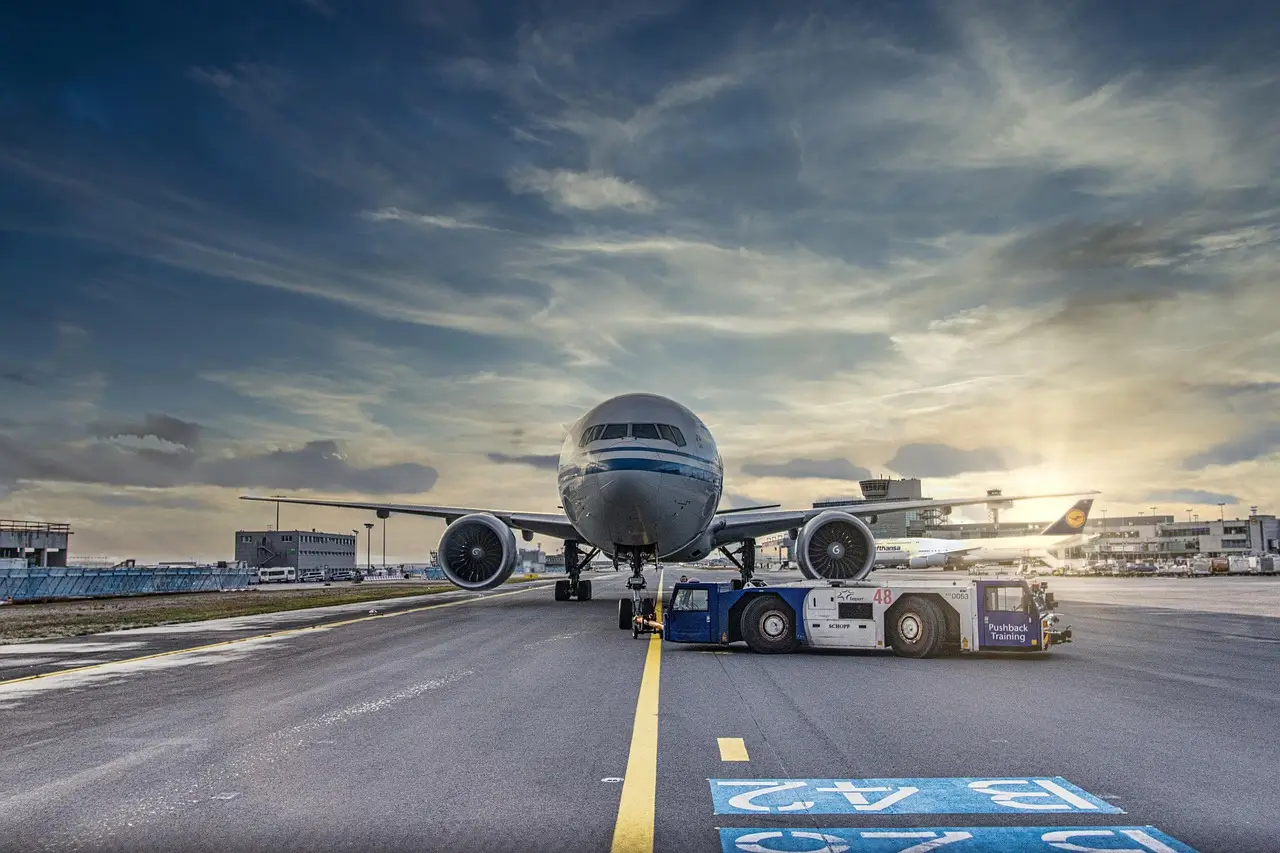
Broward County declared a local state of emergency at 7 a.m. Eastern Time on November 18, 2026, after exceptional rainfall triggered flash flooding across South Florida — yet both of the region's major travel gateways, Fort Lauderdale-Hollywood International Airport and Port Everglades, kept operating.
The declaration is a significant escalation from earlier forecasts of heavy rain. It suspends normal county government operations for the day, closing county parks and libraries, while the Emergency Operations Center activated partially to Level 2 to coordinate monitoring and response. Public Works crews staged pumping equipment and flood-control resources and continued assessing road conditions.
What stays open — and what that actually means
County officials moved quickly to confirm the airport and cruise port remained operational, a reassurance aimed at travelers after the previous night's flooding. That flooding had forced temporary restrictions on several taxiway sections at the airport, though operations continued.
An open airport, however, is not the same as an on-time schedule. The county's announcement does not guarantee every flight will operate as planned, and passengers were advised to check individual airline schedules directly. Cruise travelers face a similar split: Port Everglades is open, but boarding arrangements and — more critically — road access to the port depend on conditions travelers must confirm before setting out.
Flooded roads are the operational bottleneck
The practical constraint for most travelers is not the terminal or the berth. It's getting there. County officials urged motorists to avoid water-covered roads and follow posted restrictions, warning that flooding makes water depth difficult to judge. The risks concentrate at intersections, underpasses and low-lying streets.
For visitors, that complicates the segments of a journey that usually run on autopilot: airport transfers, hotel runs, trips to cruise terminals. A destination can be fully open while the road to it is effectively closed. Officials advised allowing additional time where conditions permit and never attempting to drive through standing water.
How travelers should read the declaration
The state of emergency measures the seriousness of the flooding, not a shutdown of the tourism economy. Not every airport terminal, cruise facility or tourism business has closed — and most haven't. The county's guidance asks travelers to separate three distinct things:
- County government closures, which took effect November 18
- Temporary road restrictions, which vary by location and conditions
- The operational status of individual travel services — airlines, cruise lines, private operators — each making its own call
The reliable sources of updates are official county announcements, airline notifications and local weather warnings, in that order of authority for each respective question.
What comes next
The emergency declaration remains in force as crews pump and assess, and the county's Level 2 activation will keep monitoring conditions across roads and drainage infrastructure. For an airport and port that stayed open through the worst of the rainfall, the recovery now hinges on whether flooded access roads drain quickly enough for passengers to actually reach them.
via rustourismnews.com (Source)
More from Nathan Brooks
Show full bio
Correspondent covering technology and product news in Commercial aviation industry coverage at Flightdeck Report.
711 articles
Same bay
- Flash Flooding Closes Fort Lauderdale Airport Taxiways · November 18, 2026
- Delta waives change fees after floods hit six Florida airports · November 20, 2026
- Five Assessed After Severe Turbulence on JetBlue Flight 1717 · November 18, 2026
- Five Injured as JetBlue Flight 1717 Hits Severe Turbulence Near Fort Lauderdale · November 18, 2026
- Allegiant Opens Seven Florida Routes in Two Days, Targeting Spirit's Void · September 30, 2026