AirportsClearance sheet
Gibraltar Airport Reopens After Three-Day Closure From a Single Leak
Gibraltar airport reopened Thursday after Storm Charles rain damaged MoD communications equipment, diverting BA and easyJet flights to Málaga for three days and exposing a single point of failure.
Read-back
- Gibraltar airport closed midday Monday 16 November and reopened Thursday with eight UK flights scheduled.
- Rain damaged communications equipment in an MoD building at the top of the Rock, forcing three days of diversions to Málaga, 125km by road.
- Four British Airways Gibraltar–Heathrow movements were diverted to Málaga on Wednesday alone.
- A 48-hour reopening estimate was extended for additional safety tests after what British Forces Gibraltar called complex repairs.
- Storm damage likely counts as an extraordinary circumstance, so fixed EU compensation is unlikely, though care and refund duties remain.
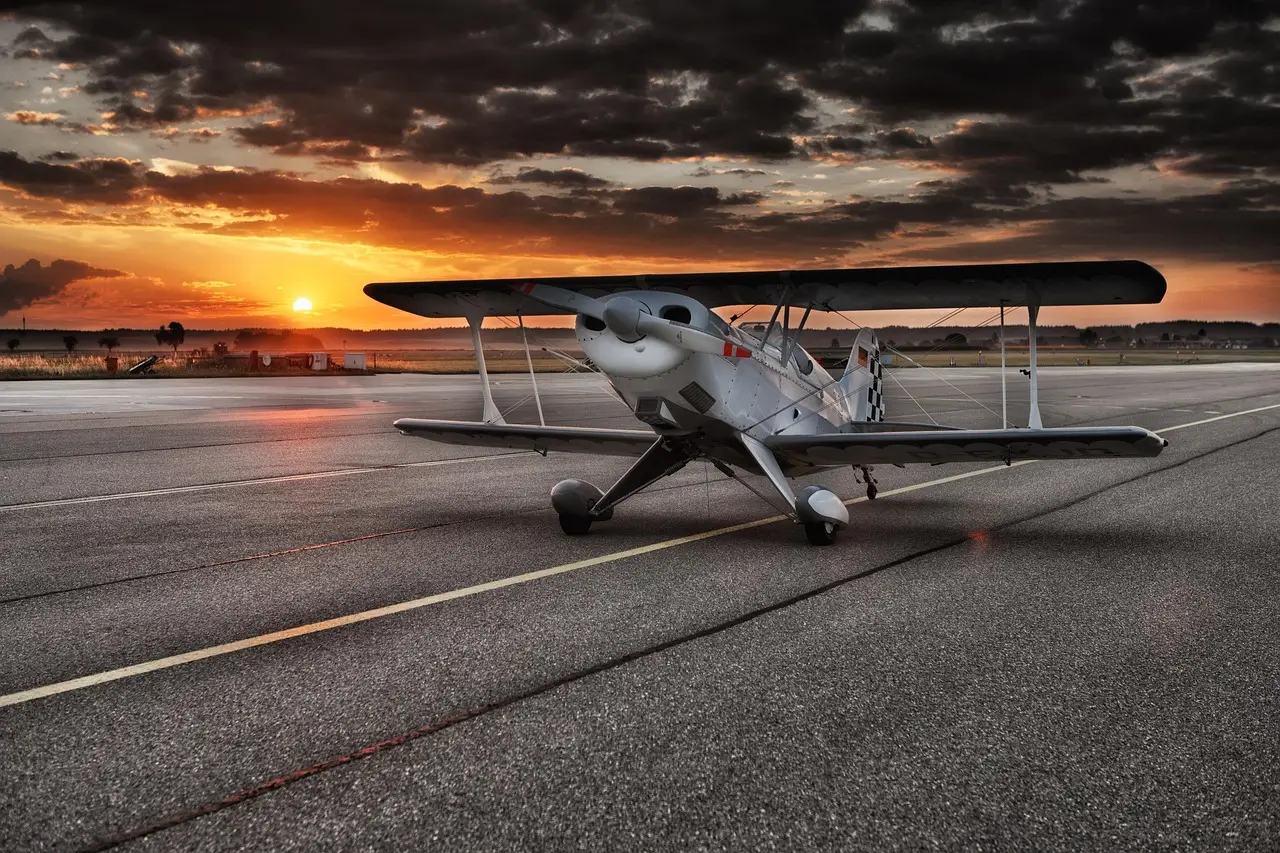
Gibraltar's airport reopened on Thursday morning with eight UK flights scheduled, ending a three-day shutdown that began at midday on Monday 16 November. The cause was not wind but water: rain entering a Ministry of Defence building at the top of the Rock damaged communications equipment supporting air traffic services.
Every British Airways and easyJet flight during the closure was diverted to Málaga Costa del Sol Airport, roughly 125 kilometres by road from Gibraltar, according to the Olive Press. On Wednesday alone, four British Airways movements between Gibraltar and London Heathrow were switched to Málaga, Rus Tourism News reported. easyJet services from Manchester were also affected. British Airways arranged ground transport from Málaga, with the road journey — border crossing included — adding time to every trip.
Why could one building shut the airport?
The answer lies in Gibraltar's unusual arrangement. The runway belongs to RAF Gibraltar, a military airfield, and civil flights depend on air traffic services supported by Ministry of Defence infrastructure. Backup capacity appears thin. With the communications equipment out of action, controllers could not safely manage arriving and departing aircraft, and the airfield closed.
The initial estimate was a 48-hour shutdown. On Wednesday the closure was extended so engineers could run additional safety tests after what British Forces Gibraltar described as complex repairs. The Gibraltar Government attributed the fault to rain damage in the MoD building, the Gibraltar Chronicle reported.
What resumed on Thursday?
The first flights restarted on Thursday morning. easyJet scheduled departures to Manchester, London Gatwick and Bristol, and British Airways restored its usual Heathrow service.
A Ministry of Defence spokesperson said: "Flights will now resume and normal operations will be restored." The spokesperson added: "We are extremely grateful to passengers, airlines and operators for their patience and understanding."
What can diverted passengers claim?
Storm damage is likely to qualify as an extraordinary circumstance under passenger-rights rules, which means fixed compensation for delays and cancellations is unlikely. Airlines retain duties regardless.
- Passengers whose flights were cancelled can choose a refund or a replacement flight.
- Delayed passengers are entitled to meals and, where needed, a hotel.
- For flights diverted to Málaga, the airline should arrange or pay for transport to Gibraltar or another agreed destination.
- Passengers should keep receipts for reasonable costs such as taxis or meals, and claim them from the airline.
The wider exposure question
Three days of closure from one damaged equipment rack is the arithmetic that matters here. Gibraltar's airport is both a military base and the territory's principal link to the United Kingdom; a single point of failure in defence-owned infrastructure removed the entire civil network for half a week.
The episode shows how exposed small, single-runway airports remain when one piece of infrastructure fails. For Gibraltar, the question now is whether that communications equipment will be better protected before the next storm arrives.
via theaviationhub.co.uk (Source)
More from Grace Kim
Show full bio
News editor covering companies, deals and strategy in Commercial aviation industry coverage at Flightdeck Report.
692 articles
Same bay
- Four British Airways flights diverted as Gibraltar Airport stays shut · November 19, 2026
- Gibraltar Airport Faces 48-Hour Closure After Communications Damage · November 18, 2026
- Barcelona loses 1,441 slots as Aena runs airport on one runway · November 20, 2026
- Air Algérie restores twice-weekly Algiers-Tripoli service · November 17, 2026
- Malaga Airport Expansion Set for 2029 Start, Seven-Year Build · September 30, 2026