Clearance CLR-4260 · AIR639
AIRBUR
Airlines & NetworksClearance sheet
Buraq Air Places Order for Airbus A320neo Aircraft
Libya's Buraq Air has ordered Airbus A320neo-family aircraft, pointing to fleet renewal at a carrier long constrained by the EU's Libyan airspace ban. Count and dates remain undisclosed.
Read-back
- Buraq Air has placed an order for Airbus A320neo-family aircraft
- The report did not disclose aircraft count, delivery timeline, engine choice or financing structure
- Buraq Air operates in a market where the EU has banned Libyan carriers from its airspace since 2014
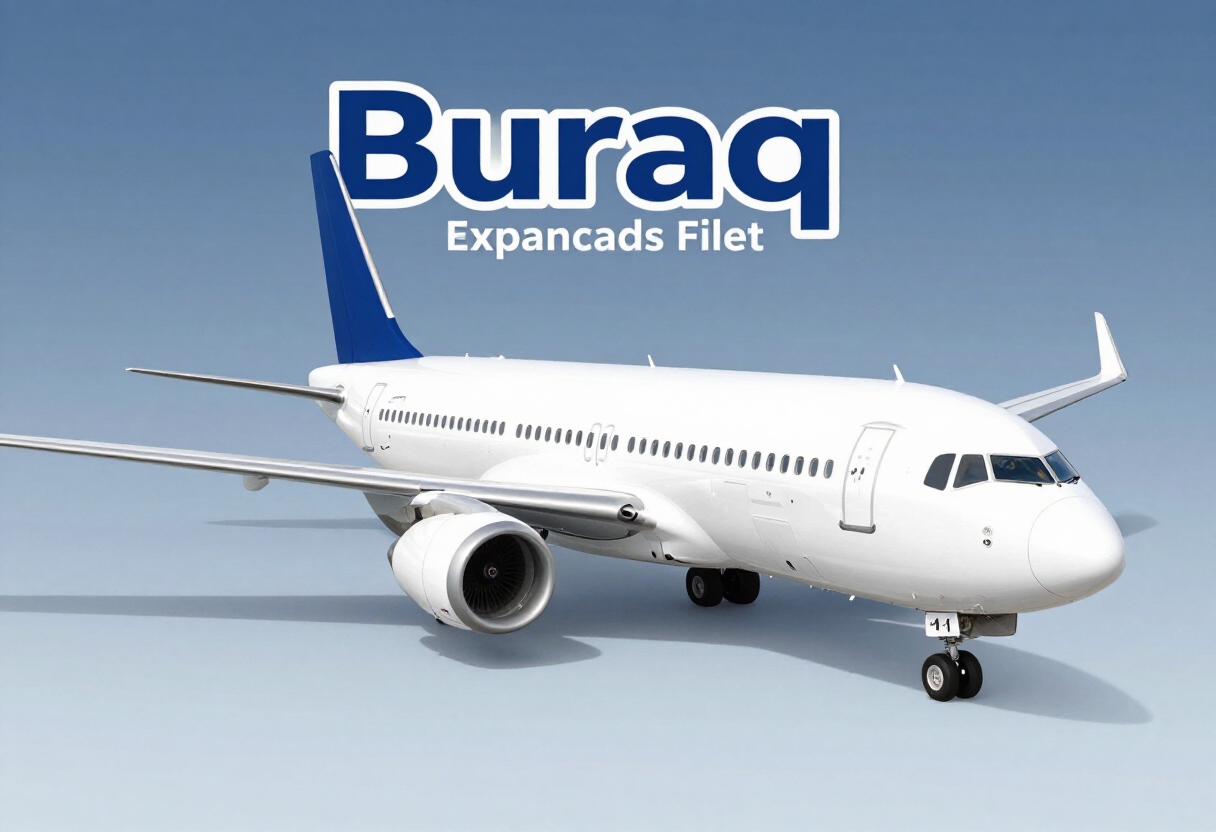
Libyan airline Buraq Air has placed an order for Airbus A320neo-family aircraft, according to a report by AeroXplorer, marking a fleet expansion move by the Tripoli-based carrier.
The order signals intent by Buraq Air to renew its narrowbody operation with current-generation Airbus equipment. The A320neo family, powered by CFM International LEAP-1A or Pratt & Whitney PW1100G engines, offers fuel-burn and range improvements over the ceo-generation aircraft it would replace in the carrier's fleet. Airbus positions the family as delivering roughly 20% fuel savings per seat compared with previous-generation narrowbodies — a figure that matters directly to an airline operating in a market where fuel costs and foreign-currency access weigh heavily on economics.
Buraq Air operates scheduled and charter services from Libya, a market that has seen its aviation sector constrained for more than a decade by conflict, sanctions-related complications, and restrictions on Libyan-registered carriers operating in European airspace. The European Union has maintained a ban on Libyan airlines flying in its airspace since 2014, which shapes the network geography any Libyan carrier can realistically serve and makes fleet decisions contingent on aircraft registration, leasing structures and insurance arrangements as much as on the airframes themselves.
An A320neo order therefore carries implications beyond the production line. For Buraq Air, new-generation aircraft could support renewed regional flying toward markets in North Africa, the Middle East and Turkey, segments that have remained the practical envelope for Libyan operators during the EU restriction. The type's range and capacity also align with pilgrimage, labour-flow and diaspora traffic patterns that anchor demand for carriers in the region.
The report did not specify the number of aircraft ordered, the delivery timeline, engine selection, or whether the commitment is a direct purchase from Airbus or arranged through a lessor. Each of those variables shapes the transaction's significance: a direct order would add Buraq Air to Airbus's backlog as a named customer, while a lessor-mediated deal would place the aircraft on a different owner's balance sheet and likely involve an offshore registration to address insurance and sanctions-adjacent constraints.
The engine choice is not incidental for any new A320neo operator. The LEAP-1A and PW1100G fleets have diverged in maintenance economics and time-on-wing performance across the industry, and carriers in markets with limited local MRO depth face material cost consequences from that choice. Airbus's own delivery records show A320neo-family output dominating its narrowbody line in Toulouse, Hamburg, Tianjin, Mobile and Toulouse-adjacent final assembly lines, and slot availability in the current backlog extends years ahead — meaning any near-term delivery for Buraq Air would more plausibly come from lessor placement or conversion of existing positions than from a fresh production slot.
For Airbus, the order fits a pattern of incremental narrowbody commitments from carriers in recovering or frontier markets, where the A320's operator base and secondhand liquidity lower the barrier to entry relative to less-established types. For the Libyan sector, a fleet renewal at Buraq Air would add to signs of slow reconstruction of the country's commercial aviation capacity.
Further detail on aircraft count, delivery dates and financing structure is required to assess the order's weight against Airbus's backlog and Buraq Air's actual network plans; the specifics, once disclosed, will determine whether this marks a modest incremental step or a structural reset for the carrier.
via Google News: Aircraft orders and fleets (Source)
More from Sophie Lindqvist
Show full bio
Senior reporter covering industry trends and analytics at Flightdeck Report.
161 articles
Same bay
- FDR107Viva–Volaris Combination Would Reshape Latin American Fleet Rankings · September 30, 2026
- FDR603Airbus Points to New Routes as Engine of Asia-Pacific Narrowbody Demand · September 27, 2026
- FDR793AirAsia Weighs Largest-Ever A220 Order for Fleet Renewal · September 28, 2026
- FDR428Saudia weighs Boeing and Airbus bids for next aircraft order · September 30, 2026
- FDR510Ethiopian Airlines Weighs Three-Way Choice for 25-Aircraft Order · September 28, 2026