Clearance CLR-1969 · SUS132
SUSCAA
SustainabilityClearance sheet
CAAM sets affordability test for Malaysia's SAF push
Malaysia's CAAM has made ticket-price neutrality the gating condition for any domestic Sustainable Aviation Fuel mandate, joining IATA and regional low-cost carriers pressing for cost-neutral decarbonization.
Read-back
- CAAM says Malaysia's SAF transition must not compromise air travel affordability
- SAF currently trades at a price premium of two to five times conventional Jet A-1
- The EU's ReFuelEU Aviation rules require 2% SAF from 2025, scaling to 70% by 2050
- Singapore will require a 1% SAF uplift at Changi from 2026
- Malaysia has not yet published a binding domestic SAF blending target or credit-pricing mechanism
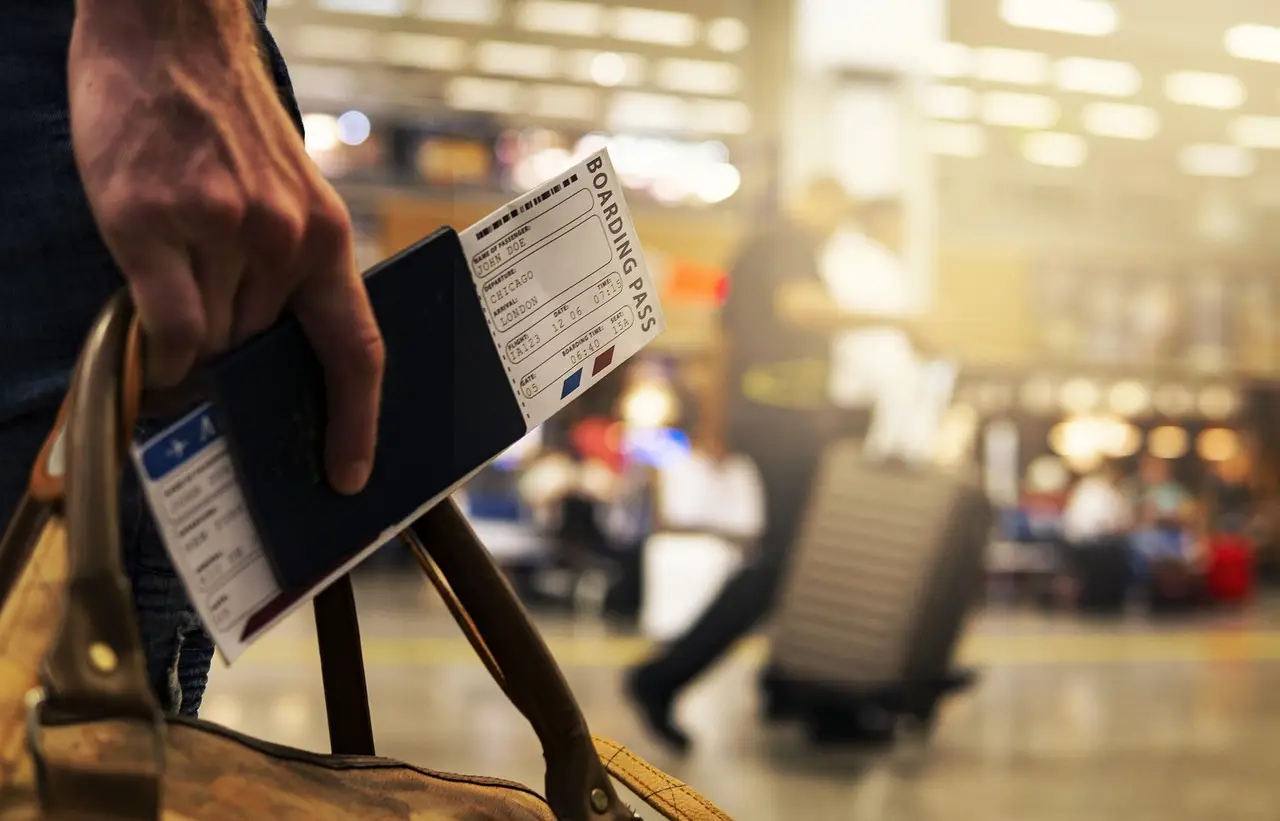
The Civil Aviation Authority of Malaysia has attached one condition to any domestic Sustainable Aviation Fuel mandate: ticket prices cannot rise as a result.
That message, carried by The Malaysian Reserve, places CAAM alongside the International Air Transport Association and Asia's low-cost carriers that have long warned the energy transition cannot land on passengers.
CAAM rarely comments publicly on commercial policy, which makes the affordability framing a notable intervention as Malaysia weighs how to join a global trend now shaping fuel bills from Brussels to Changi.
What did CAAM actually say?
The regulator's stance, paraphrased by The Malaysian Reserve, is that "the SAF transition must not compromise air travel affordability."
In effect, CAAM has turned cost neutrality into the gating test for any future blending rule — a rare public intervention on a commercial matter from a body whose remit is safety and oversight.
How big is the SAF premium right now?
SAF currently trades at a price premium of two to five times conventional Jet A-1, depending on feedstock and pathway. The gap has narrowed since 2022 as production volumes have grown, but it has not closed.
Feedstock remains the bottleneck. Used cooking oil, tallow and agricultural residues supply the existing HEFA pathway. Emerging routes using alcohols, sugars and synthetic carbon face higher capital costs and longer build times.
Every percentage point of an SAF mandate adds a measurable premium to airline fuel bills — and through them, to ticket prices.
Why does this matter for Malaysia specifically?
Malaysia sits at the centre of Asia-Pacific jet-fuel trade. Through Petronas, the country ranks among the world's largest jet fuel exporters. That footprint means domestic SAF policy is also export policy: any mandate that distorts refining margins flows upstream into bunker, into export contracts and into regional supply.
Domestically, the carriers most exposed to a mandate are Malaysia Airlines on long-haul, AirAsia on low-cost short-haul, and Batik Air in the mid-market slot. All three compete where the average domestic fare sits among the lowest in Southeast Asia.
What's happening elsewhere?
The European Union's ReFuelEU Aviation regime took effect in 2024, requiring 2% SAF at EU airports from 2025 and ratcheting toward 70% by 2050. Singapore followed with a 1% SAF uplift at Changi from 2026. Indonesia has signalled interest without a binding target.
Malaysia has so far committed to none of these models.
Who pays first if a mandate lands?
AirAsia has publicly warned that unaccompanied SAF mandates will pressure fares on thinner routes. Malaysia Airlines and Batik Air have pointed to voluntary carbon offsetting as a transitional step until SAF costs fall.
In practice, the cost shows up in three places: airline ticket surcharges, freight forwarding fees, and government subsidy or tax-credit schemes. Each is a policy choice the Malaysian government has yet to make.
What's still undecided?
Malaysia has signalled interest in SAF without yet publishing a binding blending target, a procurement framework or a credit-pricing mechanism. The country's emerging domestic SAF industry, drawing on used cooking oil and palm-oil derivatives, remains small. Petronas has invested in pilot SAF production at existing facilities, but commercial volumes stay thin.
What to watch next?
Expect CAAM to publish guidance or to join inter-agency consultations on the domestic blending percentage, the role of locally produced versus imported SAF, and any cost-sharing mechanism.
The question of who pays for the transition will decide whether Malaysia ends up with cleaner flights — or simply costlier ones.
via Google News: Sustainable aviation fuel (Source)
More from Nathan Brooks
Show full bio
Correspondent covering technology and product news in Commercial aviation industry coverage at Flightdeck Report.
529 articles
Same bay
- FDR668Malaysia Aviation Group floats green tax as SAF costs strain carriers · October 19, 2026
- FDR766Volatile SAF prices expose the gap between mandates and supply · October 17, 2026
- FDR864Airbus and ACE Start Three-Year SAF Development Program in ASEAN · October 10, 2026
- FDR516MAG weighs passenger levy to bridge sustainable fuel premium · October 19, 2026
- FDR333Philippines weighs 1% SAF mandate for airlines by 2030 · October 9, 2026