Clearance CLR-8319 · SUS578
SUSSIN
SustainabilityClearance sheet
Singapore sets 40% emissions floor for aviation fuel tenders
Singapore mandates a 40% lifecycle emissions cut for SAF bought at Changi and Seletar, funded by a cabin-tiered levy, with first tenders in December 2026 and deliveries from June 2027.
Read-back
- Singapore's SAF procurement framework requires at least 40% lifecycle emissions reduction versus conventional jet fuel, announced November 5, 2026.
- First tender by mid-December 2026 covers 20-30 kilotonnes, with blended fuel deliveries from June 2027.
- Cabin-tiered green levy on tickets bought from October 1, 2026: S$1-S$10.40 economy, S$4-S$41.60 business/first.
- Target: 1% SAF in jet fuel at Changi and Seletar by 2027, rising to 3-5% by 2030.
- Around 20 suppliers engaged; final volume depends on price competitiveness, per SAFCo CEO Tan Seow Hui.
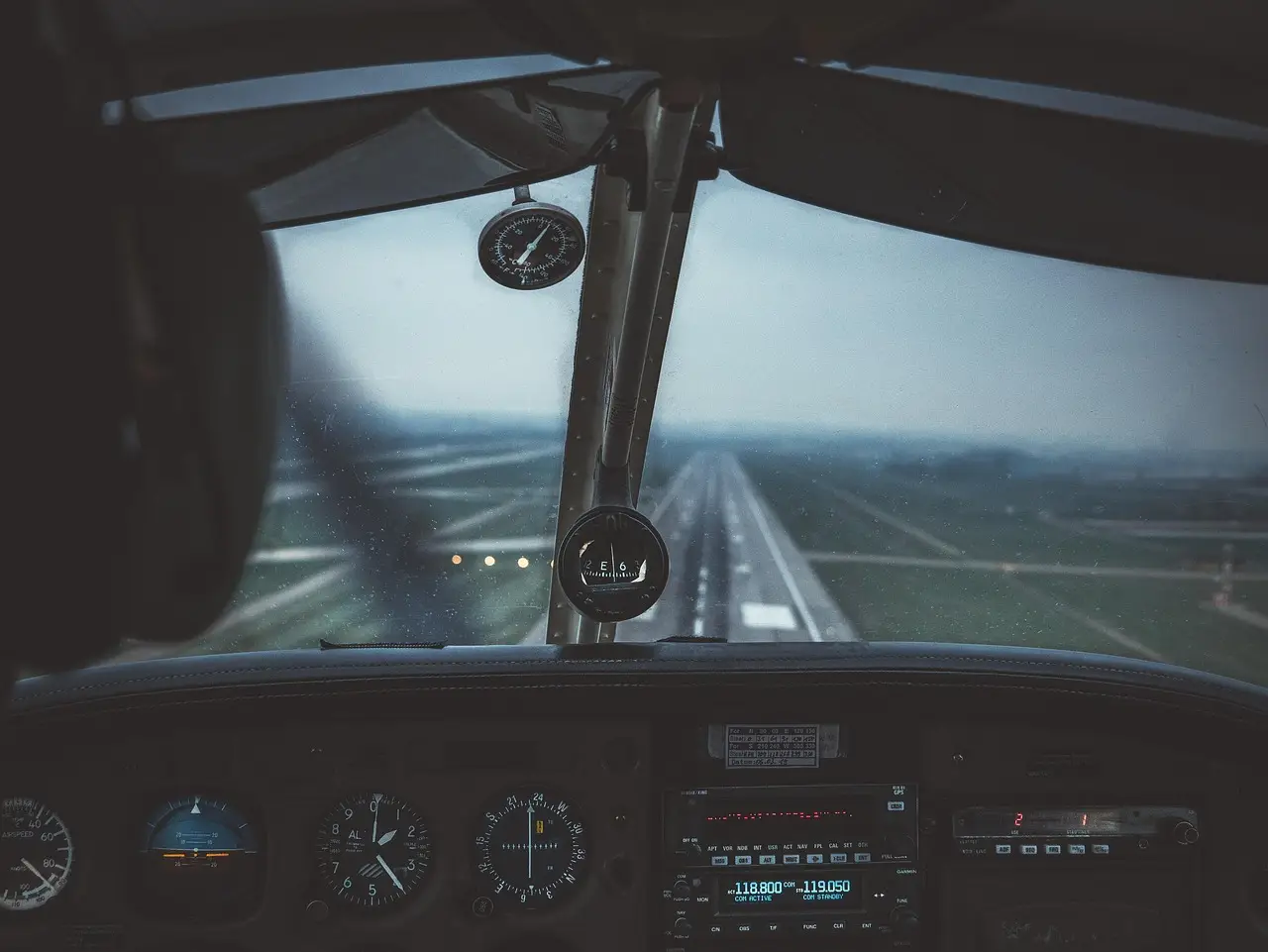
Singapore will require every batch of sustainable aviation fuel (SAF, jet fuel made from non-fossil feedstocks such as used cooking oil) purchased for Changi and Seletar airports to cut lifecycle emissions by at least 40% compared with conventional kerosene. The Civil Aviation Authority of Singapore (CAAS) and its procurement subsidiary announced the threshold on November 5, 2026 — four times the 10% minimum that ICAO's Carbon Offsetting and Reduction Scheme for International Aviation (CORSIA) accepts as compliant.
The rule applies to fuel bought by the Singapore Sustainable Aviation Fuel Company (SAFCo), a wholly owned CAAS subsidiary created to secure and manage SAF supplies for the national air hub. SAFCo will launch its first tender by mid-December 2026, covering an initial volume of 20 to 30 kilotonnes of blended fuel, with deliveries starting in June 2027. CAAS and SAFCo have already shared the 40% requirement with 15 identified suppliers ahead of the exercise.
The deliberate gap between the 40% floor and the CORSIA baseline matters. Fuel that merely scrapes past the ICAO threshold would count toward Singapore's obligations on paper while delivering little real decarbonization. By setting a higher bar, the regulator ties eligibility to genuine emissions cuts, not symbolic compliance.
How does Singapore pay for it?
A green jet fuel levy, applied to tickets purchased from October 1, 2026 for departures from January 1, 2027, funds the programme. It is tiered by cabin class:
- Economy and premium economy: S$1 to S$10.40 per ticket
- Business and first class: S$4 to S$41.60 per ticket
Levy revenue is earmarked to cover the price gap between SAF and conventional jet fuel, which remains substantially more expensive because production depends on limited waste feedstocks. That funding structure shapes the procurement logic: SAFCo will weigh bids on price competitiveness, supply chain resilience, delivery certainty and the supplier's ability to provide sustainability documentation.
Daniel Ng, chief sustainability officer at CAAS, called the 40% threshold a "modest starting point" that signals commitment to meaningful reductions rather than an endpoint. Prioritizing the lowest credible prices serves a specific purpose — every dollar saved stretches the levy pool into more litres of greener fuel.
What does this change for airlines and suppliers?
The near-term obligation is modest: Singapore targets 1% SAF in total jet fuel usage at its two airports by 2027, rising to 3-5% by 2030. The first tender's 20-30 kilotonne volume is designed partly as a market test, letting SAFCo gauge supplier response before scaling up through subsequent tenders.
SAFCo chief executive Tan Seow Hui said around 20 suppliers have been engaged, with sufficient available supply to meet the 2027 target. The final purchase volume, she noted, will depend on price competitiveness — meaning the headline 1% figure could be exceeded if market prices stay favourable and levy funds buy more volume than planned.
For airlines operating from Changi, the mechanism is largely cost-neutral in design: the levy, not carrier balance sheets, absorbs the SAF premium, though carriers will still face the passenger-demand effects of higher ticket prices. For fuel producers, the 40% lifecycle threshold plus documentation requirements set a higher qualification bar than CORSIA-eligible sales elsewhere, filtering the field to suppliers who can prove feedstock provenance and delivery reliability at scale.
The structure also gives Singapore a lever most states lack. Because a single entity aggregates national demand and negotiates on behalf of the entire hub, suppliers face one large buyer rather than fragmented airline contracts — a position that typically improves pricing and secures volume commitments.
Whether the model scales toward the 3-5% 2030 target will depend on feedstock availability and how quickly production capacity for high-reduction fuels expands; the December tender's pricing response will offer the first concrete signal.
via Google News: Sustainable aviation fuel (Source)
More from Sophie Lindqvist
Show full bio
Senior reporter covering people, launches and day-to-day practice in Commercial aviation industry coverage at Flightdeck Report.
565 articles
Same bay
- FDR184Singapore Imposes Region's First Sustainable Aviation Fuel Levy · October 20, 2026
- FDR441Philippines Eyes 1% Sustainable Aviation Fuel Blend by 2030 · October 9, 2026
- FDR429Philippines' DOE weighs sustainable aviation fuel mandate · October 10, 2026
- FDR132CAAM sets affordability test for Malaysia's SAF push · October 19, 2026
- FDR129Philippines weighs 1% SAF mandate for airlines by 2030 · October 9, 2026