Clearance CLR-4994 · SUS101
SUSABU
SustainabilityClearance sheet
Abu Dhabi Signs e-SAF Study Deal With Evolve Fuels
Abu Dhabi's DoE signed Evolve Fuels on 3 November 2026 to study e-SAF production. It approves no plant, no capacity, no dates — only feasibility work.
Read-back
- Abu Dhabi DoE signed Evolve Fuels AG on 3 November 2026 at ADIPEC to study e-SAF feasibility; no facility is approved.
- UAE targets 700 million litres of domestic SAF supply annually by 2030 and 1% of national airline fuel by 2031.
- ReFuelEU mandates synthetic fuel at 1.2% in 2030 rising to 35% by 2050.
- Masdar and Tadweer's waste-to-SAF project would process 500,000 tonnes of biomass and solid waste per year.
- MENA Biofuels began building the UAE's first commercial SAF plant in Fujairah in November 2025.
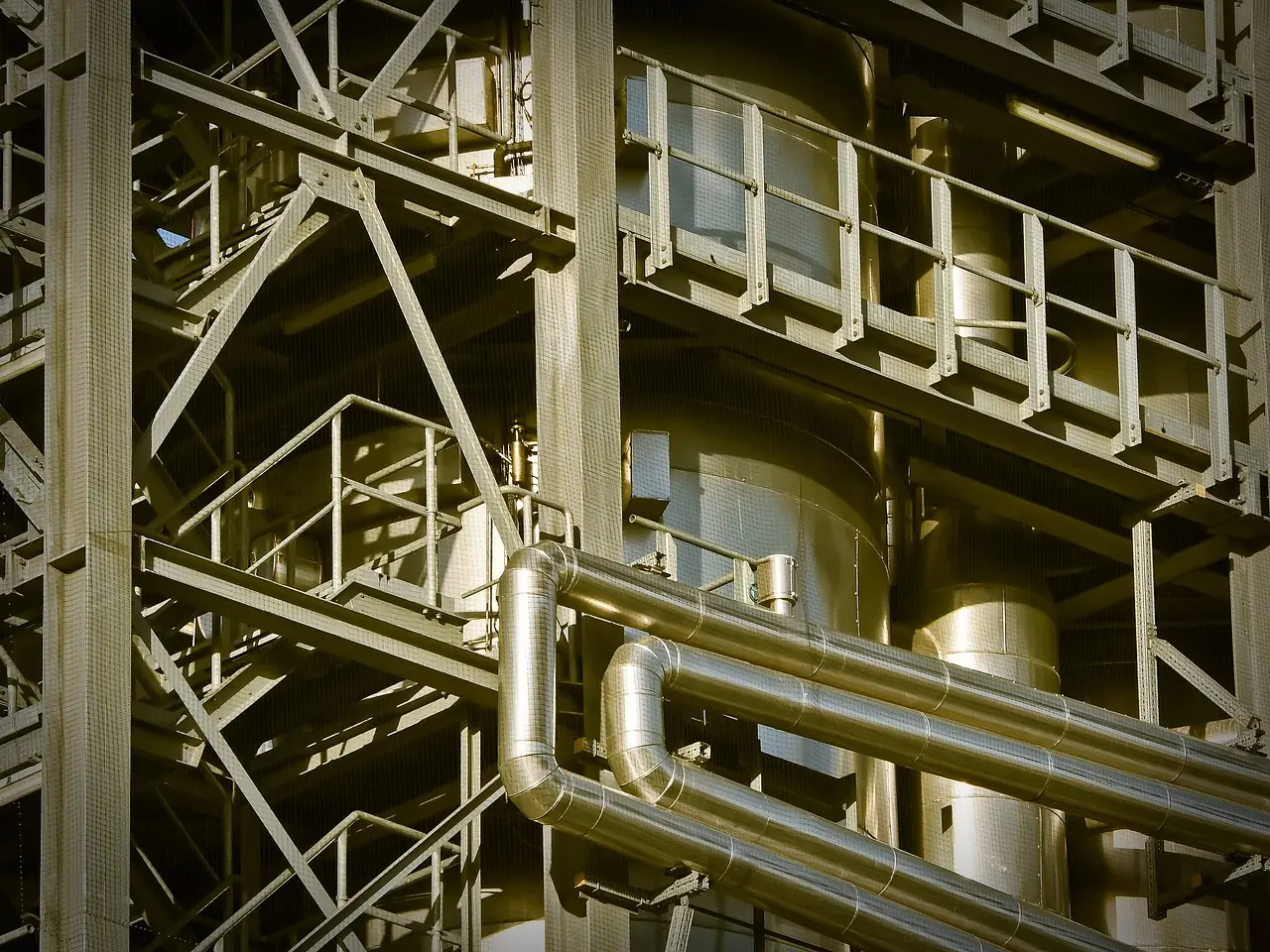
Abu Dhabi has signed a framework agreement to study synthetic sustainable aviation fuel production. That is the entire substance of the announcement. No facility. No capacity figure. No timeline.
The Abu Dhabi Department of Energy signed the deal with Evolve Fuels AG, part of Switzerland's Smartenergy Group, on 3 November 2026 at ADIPEC 2026. The agreement covers three workstreams: investor matchmaking, regulatory development, and a production roadmap. It is a feasibility exercise, not an approval.
What does this change for fuel supply?
Nothing yet, and the parties say so plainly. The agreement does not represent approval for a production facility. It establishes a framework to assess infrastructure, investment and technical requirements. A joint steering committee will oversee the assessment. No final investment decision, construction schedule, capacity or operational date exists. Everything depends on further evaluation and separate agreements.
e-SAF itself is made from renewable electricity, hydrogen via electrolysis, and captured carbon dioxide, refined into synthetic hydrocarbons. Once certified, it can drop into existing aircraft and fuel infrastructure. Its climate benefits depend entirely on the electricity source, the hydrogen route, the origin of the captured CO2 and full lifecycle emissions.
Who said what
Abdulaziz Mohammed Al Obaidli, Director-General of Regulatory Affairs at the Abu Dhabi Department of Energy, said the agreement provides an opportunity to evaluate how the emirate's energy resources and industrial capabilities could support the sustainable aviation fuel market. He stressed appropriate regulatory and commercial foundations so future projects are competitive, practical and capable of long-term value.
Horst H. Mahmoudi, Chief Executive and Executive Chairman of Smartenergy, said the collaboration opens Evolve Fuels' international project pipeline to potential investors and partners in Abu Dhabi. He cited renewable energy, power-to-X technologies and carbon capture resources as contributors to synthetic fuel development.
Both statements are promises of study. Neither commits capital.
The UAE's existing SAF track record
The deal sits inside a broader national effort with actual numbers attached. The UAE's General Policy for Sustainable Aviation Fuel targets 700 million litres of domestic SAF supply annually by 2030, plus a voluntary 1 per cent share of fuel supplied to national airlines at UAE airports by 2031. These are SAF targets broadly, not e-SAF targets.
Other projects have moved further than this agreement:
- Masdar and Tadweer Group signed a joint development agreement in November 2025 for a waste-to-SAF plant in Abu Dhabi, processing roughly 500,000 tonnes of biomass and municipal solid waste annually using gasification and green hydrogen.
- ADNOC's Ruwais Refinery received International Sustainability and Carbon Certification in October 2023 for co-processing used cooking oil with conventional jet fuel.
- MENA Biofuels began construction of the UAE's first commercial SAF plant in Fujairah in November 2025, converting used cooking oil and waste feedstocks.
These are bio-based pathways. The Evolve Fuels agreement explores a different, synthetic route. Neither guarantees output.
The demand side drives the urgency
The European Union's ReFuelEU Aviation regulation requires SAF at covered EU airports to rise from 2 per cent in 2025 to 70 per cent by 2050. Synthetic fuels carry a separate mandate: 1.2 per cent in 2030, 2 per cent in 2032, 35 per cent by 2050. Those obligations fall on fuel suppliers and are intended to force investment in production and supply chains.
For the UAE, certified SAF demand in Europe could open export markets. The obstacles are real. e-SAF needs vast renewable electricity, hydrogen capacity, reliable CO2 supply, specialised infrastructure and heavy capital. Production costs and renewable availability will decide whether any facility competes with conventional jet fuel. IATA counts SAF as central to aviation's net-zero-by-2050 goal, while flagging capacity and supply chains as unresolved.
What happens next
The next stage identifies priority opportunities and assesses technical, commercial and regulatory requirements, alongside international investment, knowledge exchange, technology transfer and local industrial capability building. If it progresses, the initiative could diversify the UAE's energy industry and strengthen Abu Dhabi's SAF position. Until a final investment decision appears, the agreement remains a study with a steering committee.
via Google News: Sustainable aviation fuel (Source)
More from James Calloway
Show full bio
Staff writer covering people, launches and day-to-day practice in Commercial aviation industry coverage at Flightdeck Report.
583 articles
Same bay
- FDR461ETFuels Signs Early-Stage e-SAF Agreement with Kuwaiti Fuel Supplier · October 9, 2026
- FDR566Q8Aviation Selects ETFuels for E-SAF Supply Collaboration · October 9, 2026
- FDR379Airbus publishes new study on sustainable aviation fuel potential · October 10, 2026
- FDR489YPF's planned Argentine biorefinery secures an SAF buyer · October 8, 2026
- FDR222Hydrogen Utopia Files for UK Grant Backing Waste-to-SAF Project · October 10, 2026